

Transform your Long Island home with our custom sunrooms, liferooms, pergolas, and more! Quality Designs That Improve Your Space And Lifestyle.
Contact Info
Transform your Long Island home with our custom sunrooms, liferooms, pergolas, and more! Quality Designs That Improve Your Space And Lifestyle.
Contact Info
Hear From Our Clients
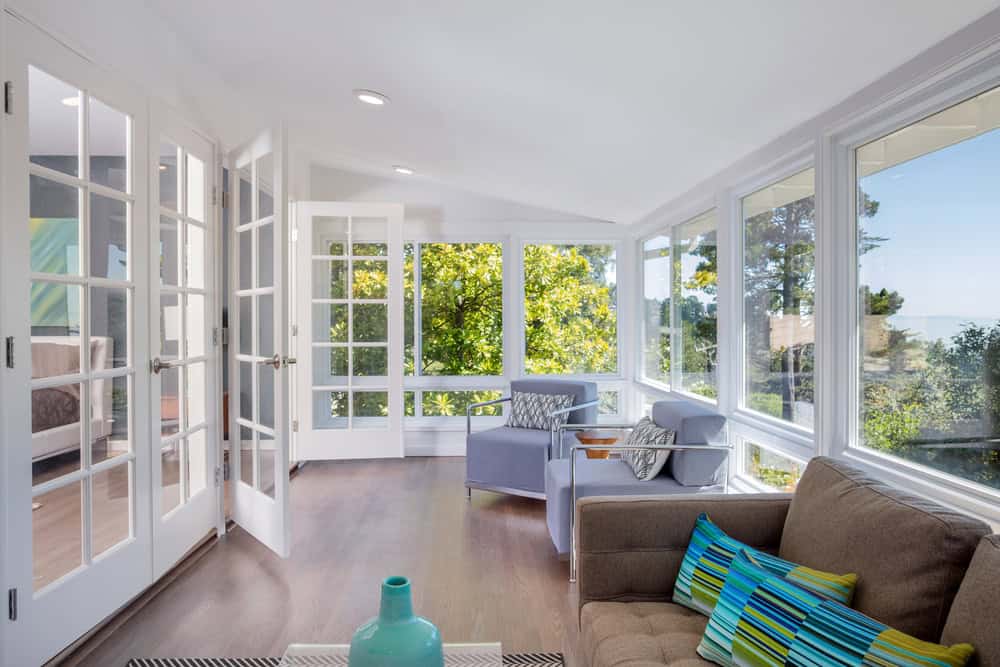
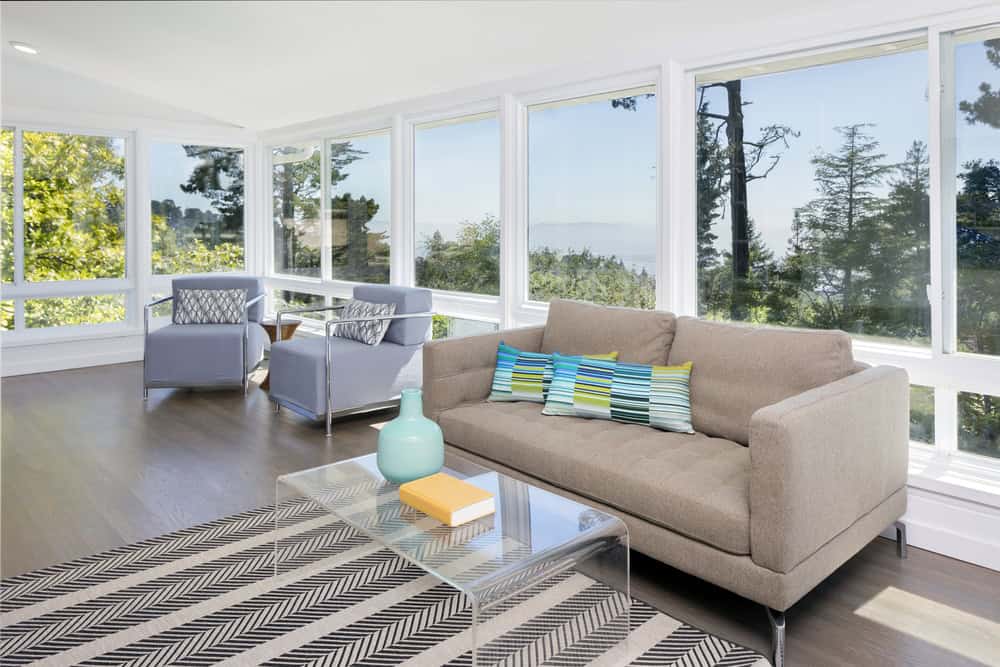
A solarium gives you what most Webster homeowners want but can’t figure out how to get: a room flooded with natural light that doesn’t cook you alive in July. You’re not choosing between views and comfort anymore.
The all-glass construction means unobstructed sky views and a direct line to your backyard. But the glass itself does the heavy lifting. Energy-efficient, tempered safety glass keeps the heat manageable while UV protection stops your furniture from fading. You get the outdoor feeling without the bugs, humidity, or that suffocating Texas heat that makes your AC bill spike.
This isn’t just extra square footage. It’s space you’ll actually use. A place to drink coffee in the morning, work without feeling boxed in, or just sit and decompress after a long day near NASA or the Medical Center. And when it comes time to sell, buyers in Webster see a solarium and think “bonus room”—versatile space that increases your home’s value and appeal.
We’ve been doing this since the mid-70s. We’re not new to the game, and we’re not experimenting with your home. We know what works in Texas heat, and we know what Webster homeowners expect when they’re adding a glass room addition to their property.
We’re licensed, insured, and we use CONSERVAGLASS™ NXT—premium glass with stay-clean technology and energy efficiency built in. Every installation follows Texas building codes, which means tempered safety glass throughout. No shortcuts. No surprises.
You’re working with people who understand the Gulf Coast climate and the specific challenges that come with building residential solariums in this area. We’ve built in Webster, Clear Lake, League City, and across the Houston metro. We know the soil, the weather patterns, and what it takes to make a solarium perform the way you need it to.

You reach out, and we schedule a consultation at your Webster home. We’ll look at your space, talk about what you’re trying to accomplish, and go over design options. Most solariums feature a curved eave design—it’s not just for looks, it handles water runoff better and gives you that signature glass roof aesthetic.
From there, we put together a custom design that fits your home’s architecture and your budget. You’ll see exactly what you’re getting before we start. We handle permits, we handle inspections, and we keep you updated through the whole process.
Installation timelines vary based on size and complexity, but we’re not the type to drag things out. Once we’re on-site, we move efficiently. Our team has done this enough times to know how to avoid the common delays and mistakes that other contractors run into. When we’re done, you get a final walkthrough to make sure everything meets your expectations. Then it’s yours to enjoy.

Ready to get started?
Let’s clear up the sunroom vs solarium question first. A sunroom typically has solid roof panels with windows on the walls. A solarium is all glass—walls and roof. That’s the difference. More glass means more light, more sky views, and yes, more upfront cost. But if you want that full outdoor immersion without actually being outside, a solarium is what delivers it.
In Webster, where summer heat is relentless and humidity makes everything worse, the glass quality matters. We’re using double-pane insulated glass that’s four times stronger than standard glass. It blocks UV rays, reduces heat transfer, and meets Texas safety standards. You also get window openings and shade tracks, so you can control light and temperature when you need to.
The curved eave design isn’t just aesthetic—it’s functional. It sheds water better during those Gulf Coast downpours and gives the structure more visual impact. You’re not just adding a room. You’re adding a custom glass enclosure that changes how you experience your home. And because it’s built to handle Webster’s climate extremes, you’re not dealing with constant maintenance or worrying about whether it’ll hold up when the next storm rolls through.

Solariums typically run at least double what a traditional sunroom costs. You’re looking at a higher price because of the all-glass construction, the curved eave design, and the engineering required to support a glass roof in Texas weather. A basic sunroom might start around $22,000, while a solarium can easily go upward of $72,000 depending on size and features.
But here’s what you’re paying for: unobstructed views, more natural light, and that “wow factor” that makes people stop and stare. The glass roof alone is a significant investment, and it requires tempered safety glass that meets building codes. Add in energy-efficient glazing, custom design work, and professional installation, and the cost makes sense.
The ROI is solid too—around 49% according to industry data. Buyers see solariums as premium additions. If you’re planning to stay in your Webster home long-term and you want the full glass experience, it’s worth the investment. If budget is tight, a traditional sunroom gives you most of the benefits at a lower price point.
It depends on the glass and how you manage the space. Older or low-quality glass will absolutely turn your solarium into a greenhouse and spike your cooling costs. That’s why the glass technology matters so much in Webster’s climate.
We use CONSERVAGLASS™ NXT, which is designed specifically for energy efficiency. It has low-E coatings that reflect heat while letting light through, and the double-pane insulation reduces thermal transfer. You also get UV protection, which keeps the space from overheating as much. On top of that, the shade tracks let you block direct sun during peak afternoon heat.
Will it add some load to your AC? Probably, especially in July and August. But it’s not going to double your bill if it’s built right. The key is proper ventilation, quality glass, and using the shades strategically. A lot of Webster homeowners find that the added comfort and usable space outweigh the modest increase in cooling costs. And in the cooler months, the passive solar gain actually helps warm the space naturally, which can offset some of that summer cost.
Glass roofs require more maintenance than solid roofs—that’s just the reality. You’re dealing with a larger glass surface that’s exposed to rain, pollen, leaves, and whatever else blows through Webster. The good news is that CONSERVAGLASS™ NXT has stay-clean technology that helps reduce buildup, but you’ll still need to clean it periodically to keep it looking clear.
Most homeowners clean their solarium glass two to four times a year, depending on how much tree cover they have and how particular they are about clarity. You can hire a professional window cleaning service, or you can do it yourself with a hose, a long-handled squeegee, and some mild soap. It’s not complicated, but it does take time.
The bigger maintenance consideration is the glass warranty. Most solarium glass warranties are limited to ten years and non-transferable. If a panel cracks or the seal fails, replacement can be expensive. That’s why it’s critical to work with a contractor who uses high-quality materials and installs everything to code. Cheap glass and poor installation will cost you way more in the long run than paying for quality upfront.
Yes, if it’s designed for it. A true four-season solarium needs full insulation and HVAC integration to handle both the summer heat and the occasional cold snaps we get in Webster. Most solariums function as three-season rooms right out of the gate—comfortable in spring, fall, and winter, but potentially too hot in peak summer without serious climate control.
The key is how the space is built and whether it’s tied into your home’s heating and cooling system. If you want to use it in August, you need adequate AC capacity, energy-efficient glass, and good ventilation. If you want it cozy in January, you need insulation and a heat source. We design solariums with year-round use in mind, but it does require more upfront planning and investment.
A lot of Webster homeowners use their solariums most heavily in the fall, winter, and spring—when the weather is mild and the natural light is at its best. Summer use is possible, but it requires being smart about shade management and cooling. If year-round comfort is non-negotiable for you, we’ll design the space accordingly. If you’re okay with it being a three-season room, that’s a more cost-effective approach.
The terms get used interchangeably, but there are differences. A solarium is designed as a living space—it’s part of your home, meant for people to relax, work, or entertain in. A conservatory is traditionally more ornate, often used for displaying plants or as a formal sitting area, with a focus on architectural detail. A greenhouse is purely functional, built for growing plants with maximum sunlight and humidity control.
In Webster, when people say they want a solarium, they usually mean a glass room addition where they can enjoy natural light and outdoor views without dealing with the heat, bugs, or weather. It’s an extension of your living space, not a place to grow tomatoes or store gardening supplies.
The construction is different too. Solariums use tempered safety glass, insulated panels, and climate control features that make them comfortable for daily use. Greenhouses prioritize ventilation and light exposure over comfort. Conservatories fall somewhere in between but tend to be more decorative than practical for everyday living. If you want a functional, comfortable space that feels like you’re outside but isn’t, a solarium is what you’re after.
Yes. Any permanent structure that adds square footage to your home requires a permit in Webster. That includes solariums, sunrooms, and other glass room additions. The permit process ensures that the structure meets local building codes, zoning requirements, and safety standards—especially important when you’re dealing with a glass roof and all-glass walls.
We handle the permit process for you. That includes submitting plans, coordinating inspections, and making sure everything is up to code before, during, and after construction. Texas building codes require tempered safety glass for all installations, and inspectors will verify that. They’ll also check the foundation, structural support, and any electrical or HVAC work that’s part of the project.
Skipping the permit process might seem like a shortcut, but it’s a massive risk. If the city finds out, you could face fines, be forced to remove the structure, or run into problems when you try to sell your home. Buyers and their lenders will ask for permits during the sale process, and if you don’t have them, it can kill the deal. We do it right from the start so you don’t have to worry about any of that down the road.
Other Services we provide in Webster