

Transform your Long Island home with our custom sunrooms, liferooms, pergolas, and more! Quality Designs That Improve Your Space And Lifestyle.
Contact Info
Transform your Long Island home with our custom sunrooms, liferooms, pergolas, and more! Quality Designs That Improve Your Space And Lifestyle.
Contact Info
Hear From Our Clients
You want the sunlight. You don’t want the energy bill that comes with it.
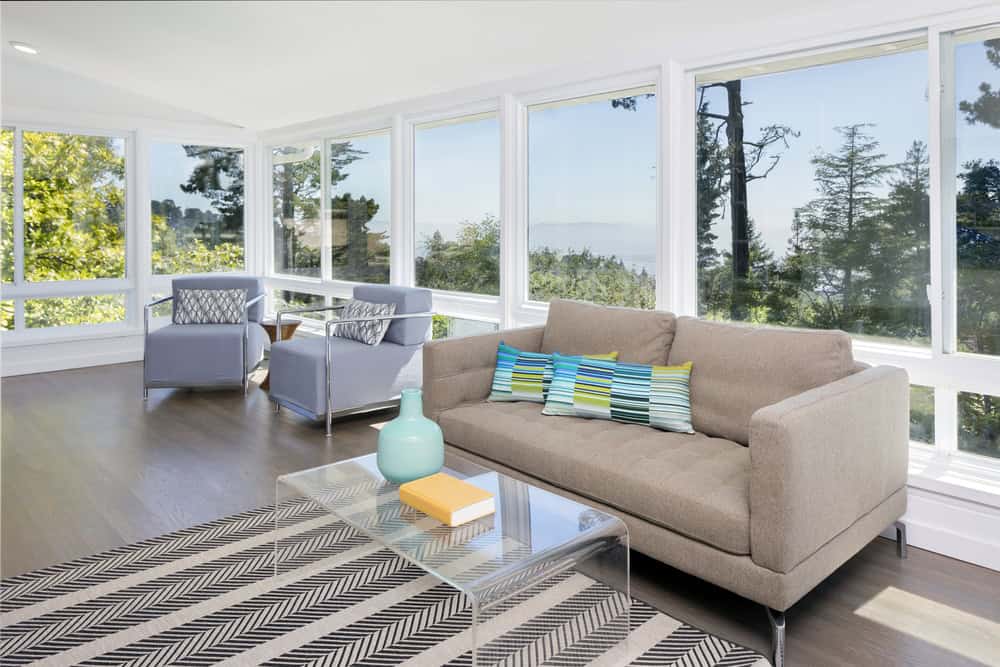
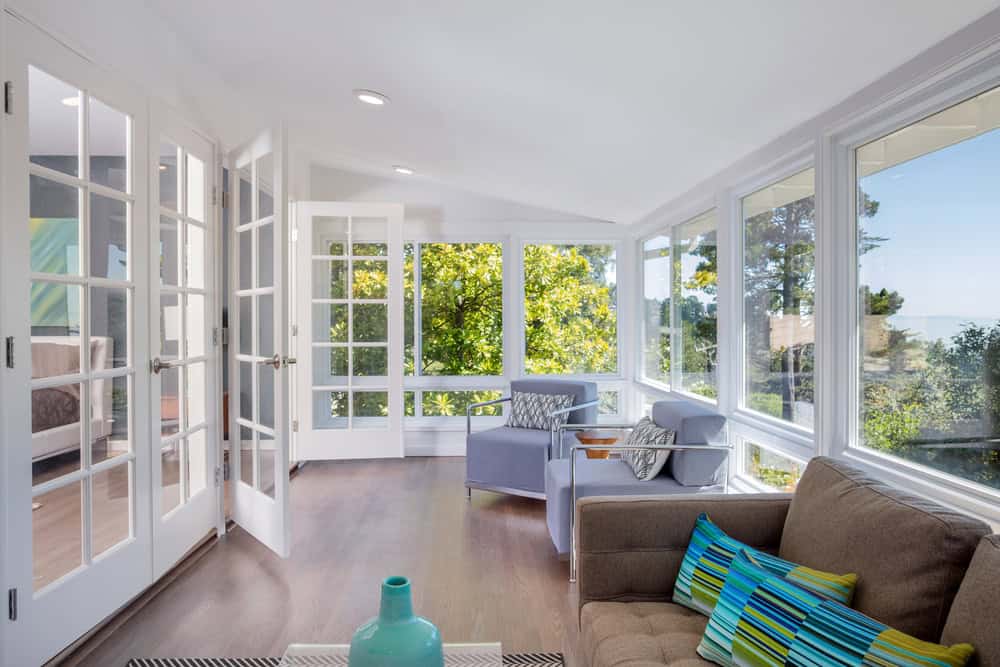
A solarium is an all-glass room addition—walls, roof, everything. It’s built to flood your home with natural light and give you unobstructed views of your yard. But in Spring Valley Village, where summer temps sit between 90 and 100 degrees for months, not weeks, that glass better be doing more than looking good.
That’s where the engineering matters. High-performance glass with Low-E coatings and UV protection keeps the heat out while the light comes in. Insulated framing and integrated climate control mean you’re not cranking the AC just to sit in your own home. You get the brightness, the views, and the connection to your outdoor space without turning your solarium into a greenhouse.
This isn’t about adding square footage. It’s about adding usable square footage that works with Houston’s climate, not against it.
We’ve been designing and installing custom solariums and glass room additions across the Houston area for decades. We’re not a national crew flying in for a week—we’re local contractors who know what Harris County inspectors expect, what Memorial Villages homeowners want, and what actually holds up in Gulf Coast weather.
Every solarium we build uses tempered safety glass that meets Texas building codes. Every project includes permit handling, engineering drawings, and inspections. And every installation is backed by a 100% satisfaction guarantee, because we’re still here after the work is done.
Spring Valley Village homeowners don’t settle for cookie-cutter additions, and neither do we. If you’re adding glass to your home, it should fit your architecture, your lifestyle, and your budget—without the runaround.

It starts with a consultation at your home. We walk the property, talk through what you’re trying to accomplish, and figure out where a glass room addition makes the most sense. You’ll see design options, material choices, and a breakdown of what the project actually costs.
Once you approve the design, we handle the permits and engineering. You’re not dealing with the city—we are. Then we schedule the build around your timeline, not ours.
Installation typically takes a few weeks depending on size and complexity. We’re working with custom glass panels, aluminum or vinyl framing, and integrated HVAC if you’re adding climate control. Everything is built to your home’s specs, which means it fits right the first time.
After the final inspection, you’ve got a finished solarium that’s legally compliant, structurally sound, and ready to use. No shortcuts. No surprises.

Ready to get started?
A residential solarium is a fully enclosed glass structure with a glass roof and glass walls. That’s what separates it from a sunroom—you’re surrounded by glass, which means maximum natural light and 360-degree views.
You’ll choose between curved eave or straight eave rooflines. Curved eaves give you that sleek, modern look and better water runoff during Houston’s heavy rains. Framing comes in aluminum, vinyl, or wood depending on your home’s style and your maintenance preferences.
The glass itself is doing the heavy lifting. We use insulated, tempered safety glass with energy-efficient coatings that block UV rays and reduce heat transfer. In Spring Valley Village, where you’re getting over 200 days of sun a year, that’s not optional—it’s essential.
Climate control is available as an add-on or integrated system. You can heat and cool the space independently, which gives you year-round usability without overworking your home’s existing HVAC. And because solariums are considered living space, they can increase your property value—especially in a market like Memorial Villages where outdoor living is part of the lifestyle.

A sunroom typically has a solid roof with some glass windows and walls. A solarium has a glass roof and glass walls—it’s all glass, which is why it’s sometimes called a glass room addition or conservatory.
The glass roof is the big difference. It gives you more natural light and better views, but it also means you need better glass technology to manage heat and UV exposure. In Houston, that means insulated glass with Low-E coatings and tempered safety glass that meets Texas building codes.
Sunrooms are great if you want a four-season room with more insulation and less direct sun. Solariums are better if you want maximum light, panoramic views, and a space that feels like you’re outside even when you’re not. Both can be climate-controlled, but a solarium requires more attention to ventilation and HVAC because of the glass roof.
Yes, if it’s built right. A solarium with standard glass in Houston is going to be miserable. You’ll trap heat, spike your energy bills, and never use the space between May and September.
That’s why the glass matters. High-performance glass with UV protection blocks up to 99% of harmful rays and reduces heat transfer. Insulated double-pane glass keeps the temperature stable, and Low-E coatings reflect heat back outside instead of letting it radiate into your space.
You’ll also want independent climate control—either a ductless mini-split or a dedicated HVAC zone. That lets you cool the solarium without overloading your home’s existing system. Add in proper ventilation, and you’ve got a space that works year-round, even during Houston’s brutal summers. It’s not about avoiding the heat—it’s about engineering around it.
Most custom solariums in the Houston area run between $30,000 and $80,000 depending on size, materials, and features. A basic 10×12 solarium with standard framing and glass will cost less than a 16×20 curved eave solarium with premium glass and integrated HVAC.
The biggest cost drivers are the glass itself, the framing material, and whether you’re adding climate control. Tempered insulated glass costs more than single-pane, but it’s required by Texas code and necessary for energy efficiency. Aluminum framing is durable and low-maintenance but costs more than vinyl. Wood framing is the premium option.
We offer financing up to $125,000 with competitive rates, so you’re not writing a check for the full amount upfront. During your consultation, we’ll give you a detailed estimate based on your specific project—not a ballpark number you can’t rely on.
Yes. Any permanent structure attached to your home requires a building permit in Harris County, and that includes solariums and glass room additions.
The permit process involves submitting engineering drawings, getting plan approval, and passing inspections during and after construction. Texas also requires tempered safety glass for all solarium installations, which has to be documented and verified.
We handle all of that. We prepare the drawings, submit the permit applications, coordinate inspections, and make sure everything is up to code before we call the job done. You’re not dealing with the city or county—we are. That’s part of what you’re paying for, and it’s why the project gets done right the first time without delays or compliance issues.
Most solarium installations take two to four weeks from permit approval to final inspection. Smaller projects can move faster. Larger or more complex builds—especially if you’re adding electrical, HVAC, or custom features—can take longer.
The timeline depends on a few things: the size of the solarium, the materials you choose, and how quickly permits get approved. Harris County permitting usually takes one to two weeks, but that can vary depending on the season and workload.
Once we start construction, the work moves quickly. We’re using preconstructed modular components and custom-cut glass panels that are built to your specs, so there’s less onsite fabrication and fewer delays. You’ll know the schedule upfront, and we’ll keep you updated if anything changes. No one likes a project that drags on for months—we don’t work that way.
It can, especially in a market like Spring Valley Village where outdoor living space and home upgrades are expected. A well-built solarium adds usable square footage, increases natural light, and creates a unique feature that stands out to buyers.
The return on investment depends on the quality of the build and how well it integrates with your home’s existing architecture. A custom glass room addition that looks like it was always part of the house will add more value than a generic kit that feels tacked on.
In Spring Valley Village, where the average home value is over $400,000, buyers expect quality finishes and thoughtful design. A solarium with energy-efficient glass, climate control, and professional installation checks those boxes. It’s not just about resale—it’s about making your home more enjoyable while you’re still living in it. But if you do sell, you’re offering something most homes in the area don’t have.
Other Services we provide in Spring Valley Village