

Transform your Long Island home with our custom sunrooms, liferooms, pergolas, and more! Quality Designs That Improve Your Space And Lifestyle.
Contact Info
Transform your Long Island home with our custom sunrooms, liferooms, pergolas, and more! Quality Designs That Improve Your Space And Lifestyle.
Contact Info
Hear From Our Clients
You know the problem. Houston summers mean mosquitoes, scorching sun, and humidity that makes your patio unusable for months. Your backyard sits empty while you stay inside with the AC cranked.
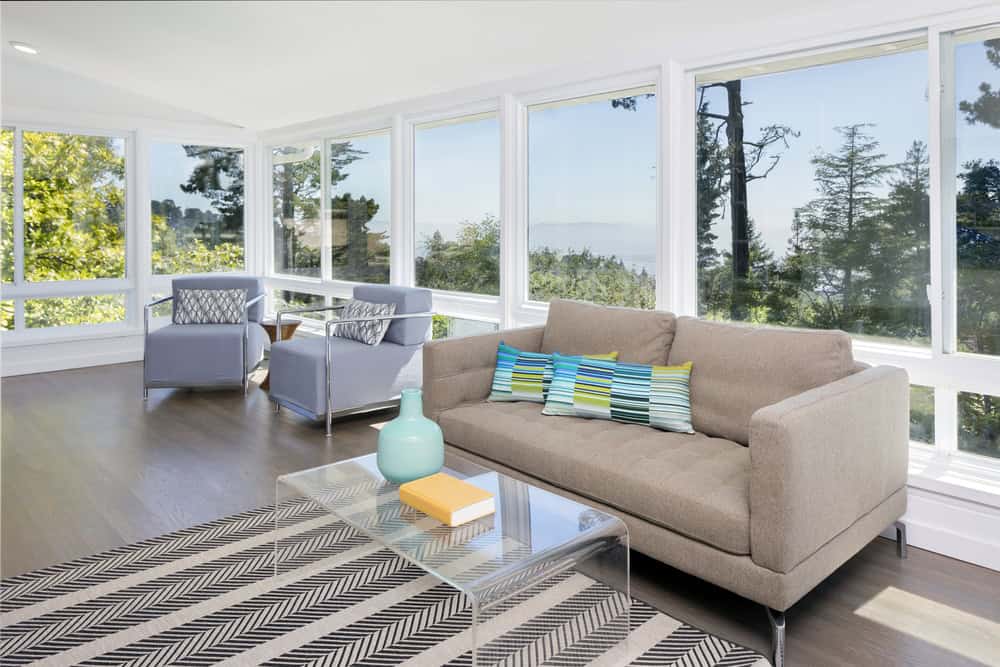
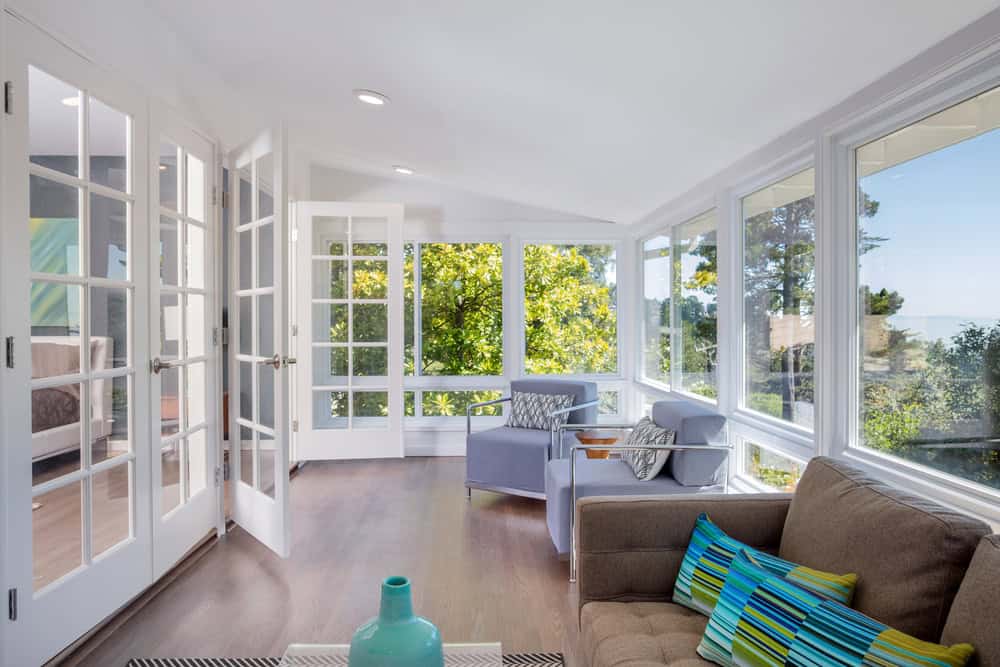
A solarium changes that. Floor-to-ceiling glass gives you the views and natural light you want. Climate control keeps temperatures comfortable when it’s 98 degrees outside. Sealed construction means no more swatting flies during dinner or coating yourself in bug spray just to sit outside.
This isn’t about adding square footage for the sake of it. It’s about reclaiming outdoor living space you’re already paying for but can’t actually use. Morning coffee with a view. Family dinners surrounded by your yard instead of your walls. A home office with natural light that doesn’t require you to choose between comfort and a window.
The difference shows up in how you use your home. Solariums in Sheldon, TX get used daily because they’re built for the climate here, not just copied from a northern design that traps heat and drives up your energy costs.
We’ve been designing custom glass room additions since the 1970s. We’re not new to this, and we’re not learning on your project.
Every solarium we build in Sheldon gets designed specifically for Texas conditions. That means understanding how glass performs when it’s facing south in July. It means knowing which glazing systems actually reduce heat gain instead of turning your addition into a greenhouse. It means handling permits, inspections, and building codes so you don’t have to figure out what Harris County requires.
We’re a family-owned company, and we’re still here because we do the work right. Licensed, insured, and focused on making sure your investment performs the way you need it to—year-round, not just in March.

First, we come to your home in Sheldon and look at the space. We’re measuring, checking foundation conditions, talking about how you’ll actually use the room, and figuring out orientation. South-facing glass needs different treatment than north-facing. We account for that upfront.
Next, we design the solarium. You’ll see drawings that show exactly what’s going where. We discuss frame options, glass types, door placements, and how the structure ties into your existing roofline. This is also when we handle permits and engineering requirements so everything’s approved before construction starts.
Then we build it. Our crews show up on schedule, prep the site, pour footings if needed, and install the frame and glass panels. Curved eave solariums take a bit more precision than straight rooflines, but that’s why the finished product looks custom instead of like a box stuck onto your house.
Finally, we finish the interior. Electrical, HVAC connections if you’re adding climate control, trim work, and final inspections. You get a walkthrough to make sure everything works the way it should. The whole process typically takes a few weeks from start to finish, depending on size and complexity.

Ready to get started?
A solarium is mostly glass—walls, roof, the works. That’s different from a traditional sunroom, which usually has a solid insulated roof and only partial glass walls. The sunroom vs solarium question comes down to how much glass you want and how much direct sun exposure you’re willing to manage.
In Sheldon, that matters more than it would up north. All-glass roofs look incredible, but they require high-performance glazing to avoid turning into a sauna by 10 AM. We use double-pane insulated glass with low-E coatings and warm-edge spacer technology. That’s not marketing talk—it’s the difference between a room that’s comfortable and one that forces you to upgrade your HVAC system.
You’re also getting a custom structure that matches your home’s architecture. Frame options include materials that won’t fade, peel, or require constant repainting in Texas sun. We coordinate colors with your existing trim so the addition looks intentional, not tacked on.
Every solarium includes professional installation, permit handling, and a limited lifetime warranty on the structure. We’re not handing you a kit and wishing you luck. We’re managing the entire project from engineering drawings to final inspection, and we’re doing it in a market where buyers actively look for quality outdoor living spaces when they’re shopping for homes.

Most residential solariums in the Houston area run between $30,000 and $70,000 depending on size, glass type, and how much climate control you’re adding. A basic 12×12 curved eave solarium with standard double-pane glass and minimal electrical starts around $35,000. Larger spaces with upgraded glazing systems, integrated HVAC, and custom door configurations can push past $60,000.
The cost breaks down into materials, labor, permits, and engineering. Glass is the biggest material expense, especially if you’re using low-E coatings and insulated panels that actually perform in Texas heat. Labor includes foundation work, framing, installation, and interior finishing. Permits and inspections in Harris County add a few thousand, but that’s non-negotiable if you want the work done legally.
We offer financing up to $125,000 with competitive rates if you don’t want to pay cash upfront. We can walk through options during the design consultation so you know exactly what you’re looking at before we start building.
It can, but it doesn’t have to if it’s designed right. An all-glass room with standard single-pane windows and southern exposure will absolutely spike your energy bill. That’s why we don’t build them that way in Sheldon.
We use double-pane insulated glass with low-E coatings that reflect heat instead of absorbing it. Warm-edge SuperSpacer technology reduces thermal transfer at the glass edges where heat gain typically happens. Proper orientation matters too—if your solarium faces west, you’re getting afternoon sun at its worst, and we’ll recommend shading options or upgraded glazing to compensate.
Most clients add a mini-split HVAC system or extend their existing ductwork into the solarium. A well-designed 200-square-foot glass room typically adds $30 to $60 per month to summer cooling costs, which is reasonable considering you’re gaining usable living space. Compare that to a poorly designed all-glass structure that can cost $150+ per month to keep comfortable, and the upfront investment in quality materials pays for itself.
Most custom solariums in Sheldon take three to five weeks from the day we break ground to final walkthrough. Smaller projects with simple layouts can finish faster. Larger or more complex designs with extensive electrical, custom curved eave rooflines, or tricky foundation conditions might stretch to six or seven weeks.
Permitting happens before construction starts and usually takes one to two weeks depending on Harris County’s workload. We handle all the paperwork, so you’re not sitting at the permit office yourself. Once permits are approved, we schedule the build.
Weather can delay things. Heavy rain shuts down foundation work and exterior framing. Houston gets afternoon storms year-round, so we build buffer time into the schedule. We’ll give you a realistic timeline upfront and keep you updated if anything shifts. The goal is to finish on schedule without rushing the work or cutting corners to hit an arbitrary deadline.
A solarium is primarily glass—glass walls, glass roof, maximum natural light and views. A four-season sunroom typically has an insulated solid roof with glass walls, making it easier to heat and cool but giving you less overhead light.
In Texas, four-season sunrooms often perform better from an energy standpoint because the insulated roof blocks direct sun. You still get plenty of natural light from the glass walls, but you’re not dealing with the heat gain that comes from a glass roof in July. Solariums look more dramatic and give you that full greenhouse effect, but they require better glass and more robust climate control to stay comfortable.
The choice depends on what you value more. If you want to look up and see sky, a curved eave solarium with high-performance glazing delivers that. If you’d rather have a room that’s easier to keep at 72 degrees without spending a fortune on cooling, a four-season sunroom with a solid roof makes more sense. Both add usable square footage. Both increase your home’s value. The functional difference is how much glass you’re willing to manage in a climate that’s hot and humid most of the year.
Yes. Any permanent structure attached to your home in Harris County requires a building permit. That includes solariums, sunrooms, and glass room additions. The permit process involves submitting engineered drawings, getting plan approval, and passing inspections during and after construction.
We handle all of that. You’re not filling out forms or scheduling inspections yourself. We submit the drawings, coordinate with the county, and make sure everything meets Texas building codes. That includes wind load requirements, foundation specs, electrical work, and structural tie-ins to your existing home.
Skipping permits is a bad idea. If you ever sell your home, unpermitted additions show up during inspections and can kill deals or force you to rip the structure down. Insurance companies can deny claims if unpermitted work causes damage. It’s not worth the risk to save a few thousand dollars. We do it right from the start so you never have to worry about it later.
Yes, but how much depends on quality and execution. A well-built solarium that matches your home’s architecture and uses quality materials typically returns 50% to 70% of the installation cost when you sell. A $40,000 solarium might add $20,000 to $28,000 in resale value, sometimes more if the buyer specifically wants outdoor living space.
Texas buyers look for homes with functional outdoor areas. A climate-controlled glass room that’s usable year-round is more attractive than a basic patio that sits empty in summer. Appraisers count finished, conditioned solariums as living space if they’re built to code and properly integrated with the home’s HVAC system.
The ROI improves if the solarium is professionally installed, permitted, and finished to match the rest of your house. Cheap add-ons that look like afterthoughts don’t add much value. Custom residential solariums that look intentional and perform well in Texas heat hold their value better and appeal to a wider range of buyers when it’s time to sell.
Other Services we provide in Sheldon