

Transform your Long Island home with our custom sunrooms, liferooms, pergolas, and more! Quality Designs That Improve Your Space And Lifestyle.
Contact Info
Transform your Long Island home with our custom sunrooms, liferooms, pergolas, and more! Quality Designs That Improve Your Space And Lifestyle.
Contact Info
Hear From Our Clients
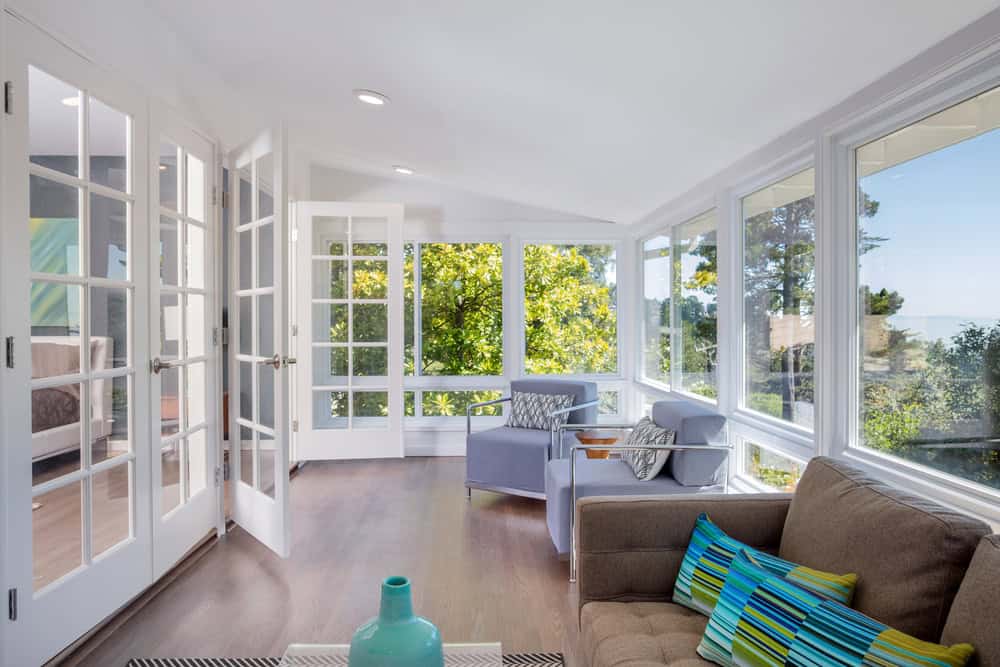
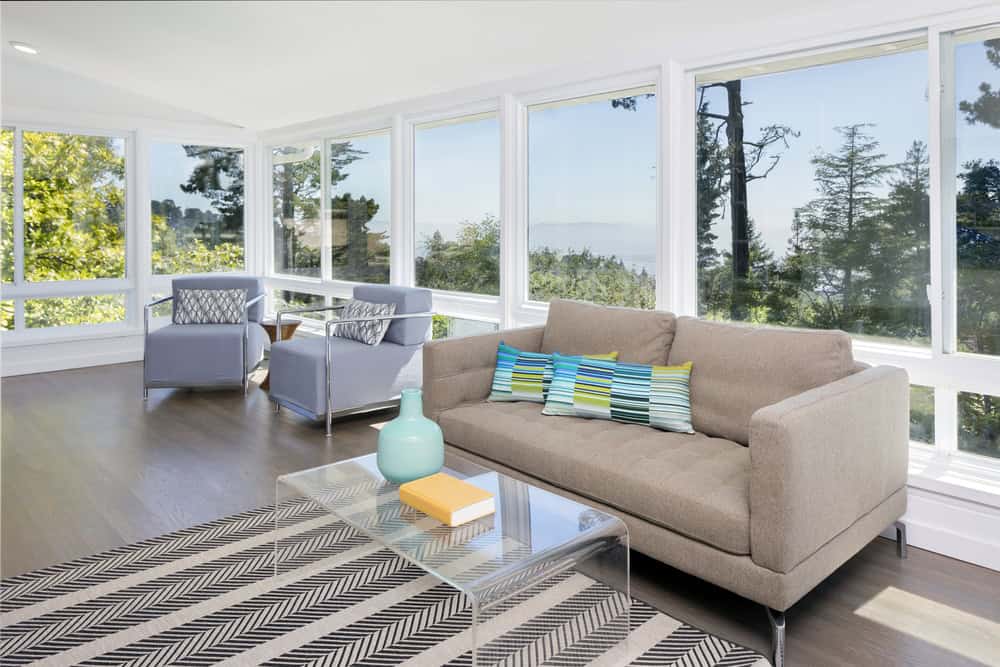
Most glass room additions in Houston become expensive saunas by June. You’ve probably seen them—beautiful in photos, unbearable in reality.
The difference comes down to how the structure handles heat. A true solarium isn’t just windows bolted together. It’s a climate-controlled space with insulated framing, advanced glass technology, and dedicated HVAC that keeps temperatures comfortable when it’s 95 degrees outside.
You get a room flooded with natural light where you can actually sit and read without sweating through your shirt. Where plants thrive but you don’t wilt. Where watching a thunderstorm doesn’t mean choosing between noise and heat.
That’s what separates a well-designed custom glass enclosure from the ones that become storage rooms by summer. You’re not just adding square footage. You’re adding space you’ll use in August, not just March.
We’ve spent nearly 50 years figuring out how to build glass structures that don’t fight the climate. That matters more in Brays Oaks than you might think.
This area has homes from the 70s and 80s with established landscaping, varied architectural styles, and homeowners who care about how additions look. We’re not dropping a generic box onto your house. We’re designing something that matches your roofline, complements your exterior, and actually works with Houston’s weather patterns.
We handle everything—design, permitting, manufacturing, installation. You’re not coordinating between five different contractors hoping they all show up. One team, start to finish, with financing options that don’t require you to drain your savings upfront.

We start with a consultation at your home. Not a sales pitch—an actual assessment of your space, sun exposure, existing structure, and what you’re trying to accomplish. We’ll talk about whether a curved eave solarium makes sense for your layout or if a different configuration works better.
Then comes design. You’ll see renderings that show exactly how the addition integrates with your home. We’ll discuss glass options, framing materials, HVAC solutions, and realistic costs before anything gets built.
Once you approve the design, we handle permits and prep work. Our installation team shows up when they say they will, builds the structure according to engineering specs, and connects all climate control systems. We’re talking about hurricane-rated glass installed by people who’ve done this hundreds of times, not a crew learning on your house.
After installation, we walk you through operating your new space—how to adjust temperature controls, maintain the glass, and get the most out of your investment. Then we clean up and leave you with a room that’s ready to use, not a project you have to finish yourself.

Ready to get started?
Your solarium includes 5/8-inch hurricane-proof glass rated for Category 5 storms. That’s not optional in this part of Texas—it’s necessary. The glass also blocks 87% of UV rays while still allowing enough light for plants to grow, which means your furniture won’t fade and the room won’t feel like a tanning bed.
Framing options include aluminum, vinyl, or natural wood depending on your aesthetic and maintenance preferences. The structure itself is engineered steel, not wood framing that warps in humidity. Everything is custom-measured for your specific home, not pre-fab panels forced to fit.
Climate control is separate from your main house system. You get dedicated heating and cooling that lets you keep the solarium at 72 degrees without freezing out or overheating the rest of your home. In Brays Oaks, where summer lasts six months, that’s the difference between a room you love and a room you avoid.
We also include proper drainage, electrical integration for lighting and outlets, and professional-grade installation that meets all local building codes. You’re getting a permitted, inspected addition that adds real value to your property, not a DIY project that becomes a disclosure problem when you sell.

A sunroom typically has a solid insulated roof with windows on the walls. A solarium has glass everywhere—walls and roof—giving you a full sky view and maximum natural light.
The sunroom vs solarium decision usually comes down to how much light you want versus how much climate control you need. Sunrooms are easier to keep comfortable because that solid roof blocks direct sun. Solariums give you that greenhouse effect and unobstructed views, but they require more robust HVAC systems to handle the heat gain.
In Brays Oaks, most people who choose solariums do it for the experience—watching storms roll in, stargazing, growing tropical plants. They’re willing to invest in the climate control because the visual payoff is worth it. If you mainly want extra living space that feels bright and open, a sunroom often makes more practical sense. Both work. It just depends on what you’re after.
Dedicated HVAC systems sized specifically for the space. Your main house AC isn’t designed to cool a room with a glass roof facing the Texas sun—it’ll run constantly and still lose the battle.
We install independent climate control that accounts for the solar heat gain from all that glass. The system runs separately, so you’re not forcing your whole house to compensate for one hot room. Combined with UV-blocking glass that reflects most of the sun’s heat, you can maintain comfortable temperatures even in July.
Ventilation also matters. Proper airflow prevents hot spots and keeps the space from feeling stuffy. Some homeowners add ceiling fans for air circulation. The key is designing the system before you build, not trying to retrofit cooling after you realize the room is unusable four months a year. That’s why we spec the HVAC during the design phase, not as an afterthought.
A well-built solarium typically adds value, but not always dollar-for-dollar what you spend. The return depends on quality, functionality, and how well it integrates with your home’s existing style.
In Brays Oaks, where homes range from mid-level to upper-middle-class, buyers appreciate functional upgrades that expand living space. A solarium that works year-round and looks like it belongs on the house is attractive. One that’s poorly designed, overheats, or clashes with the architecture can actually hurt resale.
The bigger value often isn’t immediate resale—it’s the years of use you get while you live there. If you’re planning to stay in your home for a while, the return is in quality of life, not just equity. That said, exterior improvements generally offer better ROI than interior remodels, and a professional installation with permits and proper engineering holds value better than budget shortcuts that future inspectors will flag.
Residential solariums typically run between $30,000 and $75,000 depending on size, glass type, framing materials, and climate control requirements. That’s a real number, not a bait-and-switch estimate that doubles during installation.
The cost reflects what you’re actually getting—hurricane-rated glass, engineered steel structure, dedicated HVAC, professional installation, permits, and a space that’s built to last decades. Cheaper options exist, but they usually cut corners on the parts that matter most in Houston’s climate. Glass that can’t handle storms. Framing that warps. No real plan for cooling.
We offer financing up to $125,000 with competitive rates, so you’re not writing a check for the full amount upfront. The monthly cost often matters more than the total price—if you can add a solarium for less than what you’d spend on other home improvements or entertainment, it changes the math. We’ll give you exact numbers during the consultation based on what you actually want, not vague ranges that don’t mean anything.
Glass cleaning is the main ongoing task. With that much glass surface exposed to Houston’s pollen, rain, and humidity, you’ll need to clean it regularly to keep views clear and prevent buildup.
We use CONSERVAGLASS with stay-clean technology that helps, but it’s not self-cleaning. Most homeowners wash the glass every few weeks during heavy pollen season and monthly otherwise. The framing material affects maintenance too—vinyl needs occasional washing, aluminum stays clean easier, wood requires periodic sealing.
HVAC filters need changing just like any climate control system. Drainage channels should be cleared of debris a couple times a year. Door seals and weatherstripping eventually wear and need replacement. None of this is complicated, but it’s more upkeep than a regular room because you’re maintaining what’s essentially an outdoor structure that you use indoors. If you’re not willing to stay on top of it, the space will show neglect faster than the rest of your house.
Curved eave solariums work with most architectural styles, but the key is proportion and placement. A massive curved glass structure on a small ranch house looks awkward. A thoughtfully sized addition on a two-story home with complementary materials can look original to the design.
We assess your roofline, exterior materials, and overall aesthetic during the consultation. Sometimes a curved eave creates a beautiful transition between your home and yard. Other times, a straight eave or gable design integrates better. There’s no universal answer—it depends on your specific house.
In Brays Oaks, where you’ve got diverse home styles from the 70s and 80s, customization matters more than following a template. We’re matching your home, not forcing you to match our standard models. That’s why we do custom design work upfront instead of showing you three options and hoping one fits. Your house dictates the design, not the other way around.
Other Services we provide in Brays Oaks