

Transform your Long Island home with our custom sunrooms, liferooms, pergolas, and more! Quality Designs That Improve Your Space And Lifestyle.
Contact Info
Transform your Long Island home with our custom sunrooms, liferooms, pergolas, and more! Quality Designs That Improve Your Space And Lifestyle.
Contact Info
Hear From Our Clients
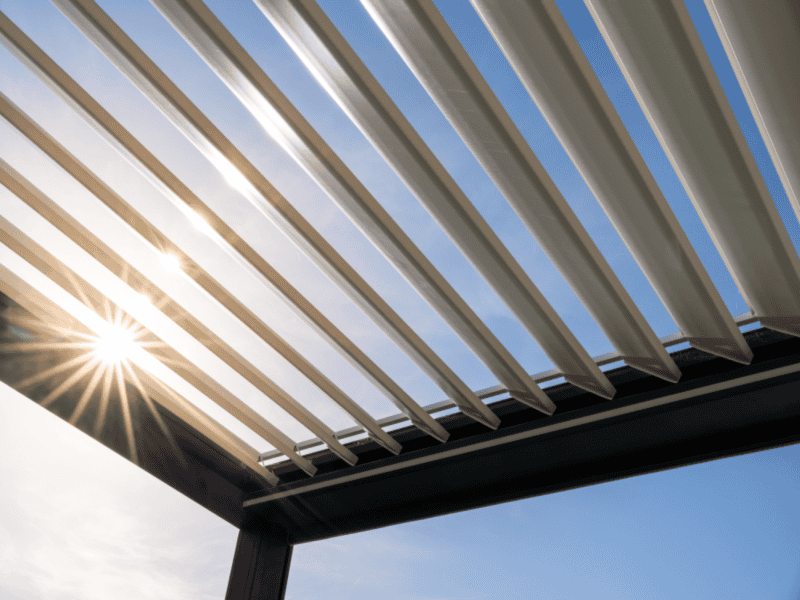
Right now, your deck probably sits empty most afternoons. Too hot in July. Too unpredictable when storms roll in off the bay. You’ve got this beautiful outdoor space that you can’t actually enjoy when you want to.
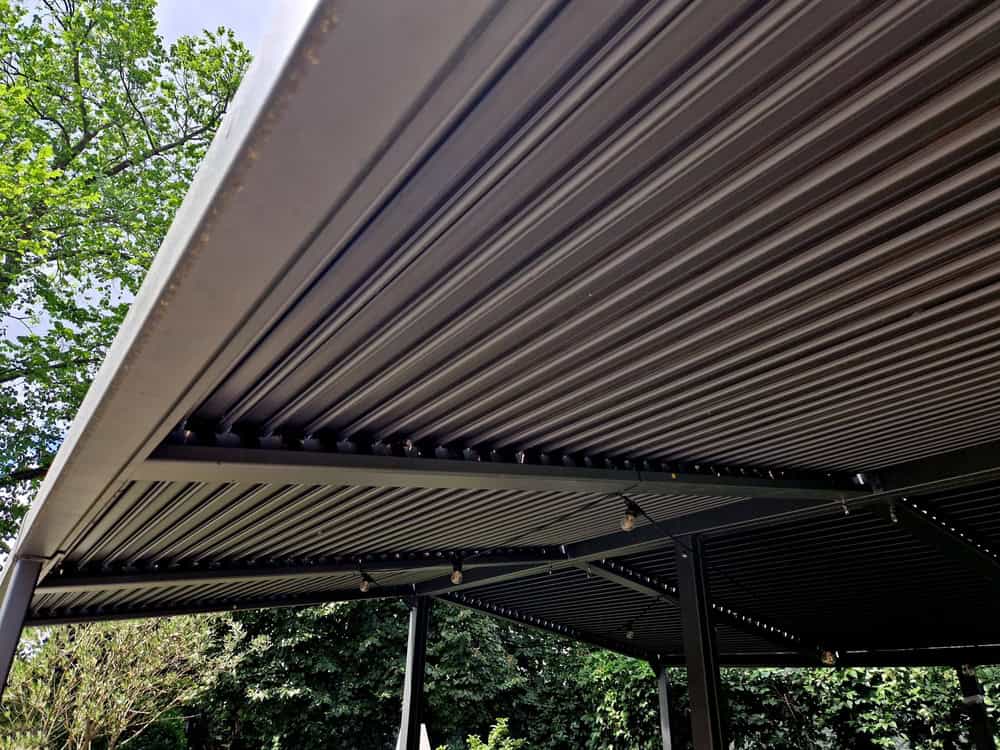
A retractable roof system changes that. When the sun’s beating down, you rotate the louvers closed and drop the temperature underneath by 20 degrees. When the breeze picks up and you want airflow, you open them. Rain starts? The watertight seals channel water into built-in gutters while you stay dry.
You’re not guessing anymore. You’ve got patio shade control that responds to whatever Shoreacres weather throws at you. That means outdoor dinners in August. Morning coffee without getting blasted by sun. A space that works the way you need it to, not the other way around.
We bring five decades of outdoor living experience to Shoreacres. We’ve installed retractable pergolas across Harris County, and we know exactly what coastal properties need to handle humidity, wind, and salt air.
You’re working with licensed, insured installers who coordinate permits and handle every detail from design to final walkthrough. Our aluminum systems are engineered for coastal conditions, which matters when you’re 30 miles from Houston and right on Galveston Bay.
We’re not the cheapest option in the area, and that’s intentional. You’re getting corrosion-resistant materials, hurricane-rated engineering, and installation teams who’ve done this hundreds of times. That means fewer callbacks, no structural issues, and a system that actually performs when you need it.

We start with a site visit to your Shoreacres property. We’re measuring your space, checking sun angles, looking at how wind moves through your yard, and talking through what you actually want to use this area for. That determines louver orientation, post placement, and whether you need screens or fans integrated.
Once you approve the design, we handle permits and any HOA requirements. Then our crew shows up with everything staged and ready. We’re anchoring posts properly for uplift resistance, running electrical to code, and installing the motorized louver system with the precision it needs to seal correctly.
After installation, we walk you through the controls. How to adjust the louvers from your phone. What the weather sensors do automatically. How the rain gutters work. You’re not figuring this out on your own. We make sure you know exactly how to operate your sliding pergola roof before we leave, and you’ve got our number if questions come up later.
Ready to get started?
Every system includes motorized louvers that rotate up to 160 degrees, giving you precise control over sunlight and ventilation. You’re getting aluminum construction that won’t corrode in Shoreacres humidity, with a 15-year warranty on structure and paint. The watertight seals and integrated gutter system mean you stay dry when it rains, which happens often enough around here that it matters.
Smart home integration comes standard. Alexa, Google Home, smartphone app control. Weather sensors that automatically close louvers when wind picks up or rain starts. You can add LED lighting, ceiling fans, retractable screens, and speakers if you want a full outdoor room setup.
The installation includes all permits, proper post anchorage engineered for Texas wind loads, and electrical work done to NEC standards. You’re also getting a complete demonstration of operation and maintenance requirements. We’re not handing you a remote and walking away. You’ll know how to use every feature and what to do if something needs attention down the road.
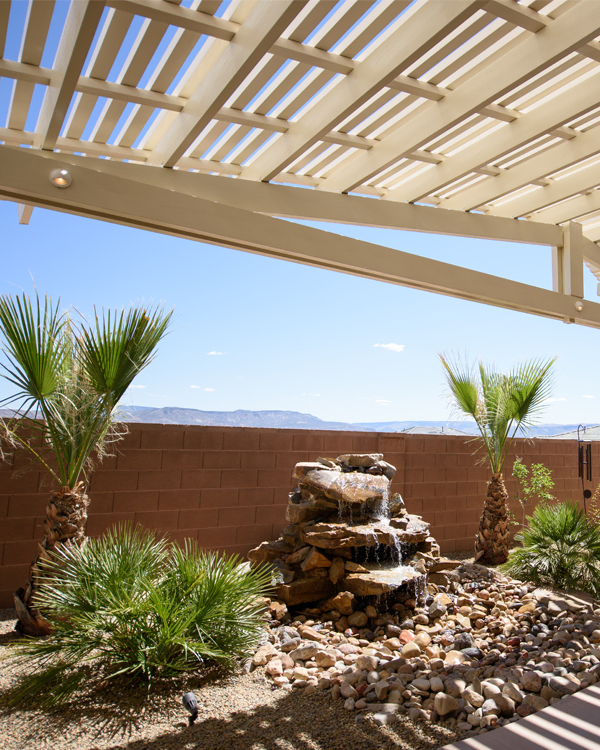
The aluminum construction handles coastal conditions better than wood or fabric systems. You’re not dealing with rot, mildew, or constant repainting. The louvers are engineered to withstand wind gusts up to 175 mph when closed, which exceeds what most Shoreacres storms produce.
The bigger concern is usually the installation quality. Posts need proper anchorage and uplift resistance, especially in areas prone to high winds. We anchor to concrete footings and engineer the structure for Texas Department of Insurance windstorm requirements. That’s not standard everywhere, but it matters when weather gets serious.
The watertight seals between louvers channel rain into built-in gutters instead of letting water pool or drip through. In Houston’s subtropical climate where you get sudden downpours, that’s the difference between a system that works and one that doesn’t. The weather sensors help too since they’ll automatically adjust louvers when conditions change and you’re not home.
A traditional wood pergola might run $8,000 to $15,000 installed, but you’re getting partial shade and zero weather protection. A retractable roof system with motorized louvers typically starts around $20,000 and goes up based on size and features. That’s a significant jump, but you’re comparing completely different functionality.
The motorized system gives you adjustable shade, rain protection, smart home integration, and aluminum construction that doesn’t need maintenance every year. When you factor in the cost of treating and repainting wood every few years, plus the fact that you can actually use the space in more weather conditions, the gap narrows.
From a property value standpoint, outdoor improvements in the Houston area return 70-80% of cost when you sell. A retractable pergola often becomes a deciding factor for buyers because it extends living space without the cost of a full addition. You’re looking at $150-200 per square foot for a home addition versus $40-60 per square foot for covered outdoor space that’s usable year-round.
You’ve got multiple control options. The smartphone app lets you adjust louvers from anywhere, which is useful if weather changes while you’re at work. Voice control through Alexa or Google Home works if you’re outside and want to make adjustments without pulling out your phone. There’s also a wall-mounted control panel as backup.
The weather sensors are what make the system really convenient. They monitor wind speed, rain, and temperature, then automatically adjust louvers based on conditions you set. If wind picks up above a certain speed, the louvers close to protect the system. When rain starts, they seal to keep the area dry. You can override these automatic adjustments anytime, but most people let the sensors handle routine changes.
The system also integrates with broader smart home setups if you’ve got other automated features. You can create scenes where the pergola louvers, outdoor lighting, and music all adjust together. That level of integration isn’t necessary, but it’s available if you want your outdoor space to work seamlessly with the rest of your home automation.
Most retractable pergola installations take three to five days depending on size and complexity. Day one is usually post installation and concrete work. Days two and three involve building the frame and installing the louver system. Final days cover electrical work, testing, and cleanup. Your yard’s going to have equipment and materials staged during that time, but we’re not tearing apart your whole outdoor space.
The loudest work happens during post installation when we’re drilling and pouring concrete. After that, it’s mostly assembly and electrical. We keep the job site clean and safe, which matters if you’ve got kids or pets. All debris gets removed daily, and we’re not blocking access to your home or leaving tools scattered around.
Before we start, we handle all permit coordination with the City of Houston and any HOA approvals if your neighborhood requires them. That process takes one to three weeks typically, but it happens before installation begins so you’re not waiting around once we break ground. We also coordinate with licensed electricians for any wiring work to make sure everything meets code and passes inspection.
Aluminum systems need minimal maintenance compared to wood structures. You’re looking at hosing down the louvers a few times a year to remove pollen, dust, and salt residue from coastal air. The tracks where louvers rotate should be cleared of debris occasionally so the motors don’t strain. That’s about 20 minutes of work every few months.
The motorized components are sealed and weather-resistant, but you should test the system periodically to make sure sensors and controls respond correctly. If louvers start moving slower or making unusual sounds, that usually means the tracks need cleaning or there’s debris blocking movement. Those issues are easy to spot and address before they become problems.
The 15-year warranty on aluminum parts and paint covers structural issues and finish degradation. The 5-year manufacturer warranty on motors and electronics covers mechanical failures. Most maintenance needs are minor and preventable with basic cleaning. You’re not repainting, resealing, or replacing rotted boards like you would with wood. The system’s designed to perform with minimal intervention, which is the whole point of choosing aluminum and motorized components over traditional materials.
Most existing patios and decks can support a retractable pergola, but it depends on your current structure and layout. If you’ve got a concrete patio, we typically anchor posts in new footings adjacent to the existing surface. For elevated decks, we need to assess whether the deck framing can handle the additional load or if we need independent post footings.
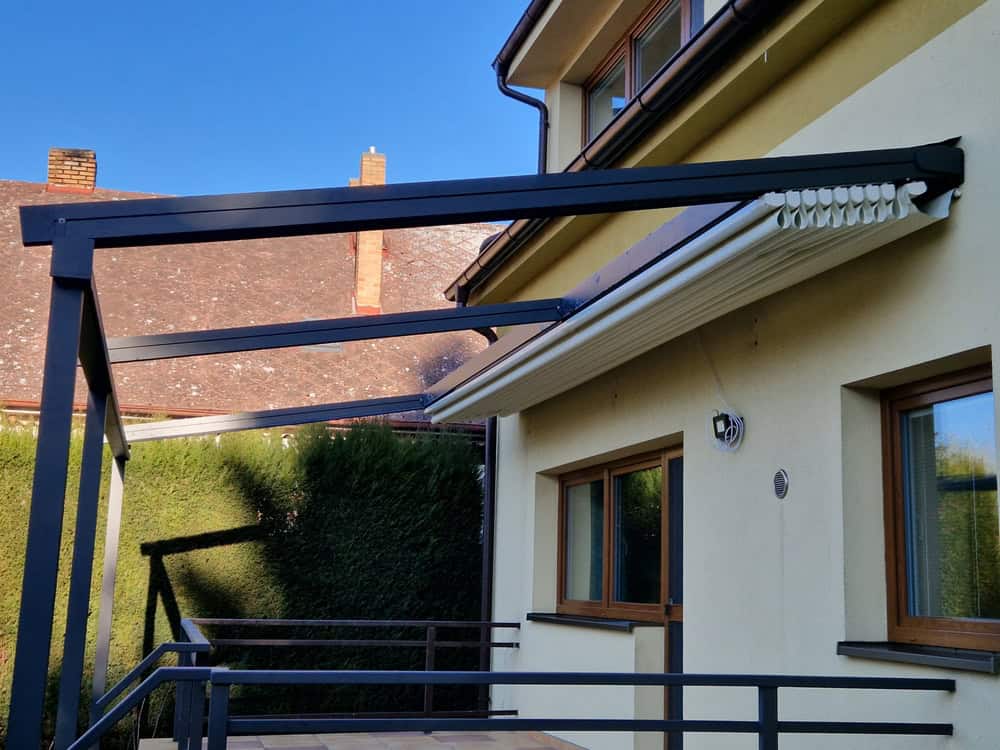
The louver system can attach to your home’s fascia if the structure allows, or we can build it as a freestanding unit. Freestanding designs give you more flexibility with placement and don’t require modifications to your home’s exterior. Attached systems integrate more seamlessly but need proper ledger board installation and flashing to prevent water intrusion.
During the initial site visit, we’re evaluating your existing setup, checking for any issues that would complicate installation, and discussing options that work with your property layout. Sometimes minor modifications to existing structures make sense. Other times, a freestanding design is cleaner and more cost-effective. You’ll know exactly what’s required before any work begins, and we’ll explain why certain approaches make more sense for your specific situation in Shoreacres.
Other Services we provide in Shoreacres