

Transform your Long Island home with our custom sunrooms, liferooms, pergolas, and more! Quality Designs That Improve Your Space And Lifestyle.
Contact Info
Transform your Long Island home with our custom sunrooms, liferooms, pergolas, and more! Quality Designs That Improve Your Space And Lifestyle.
Contact Info
Hear From Our Clients
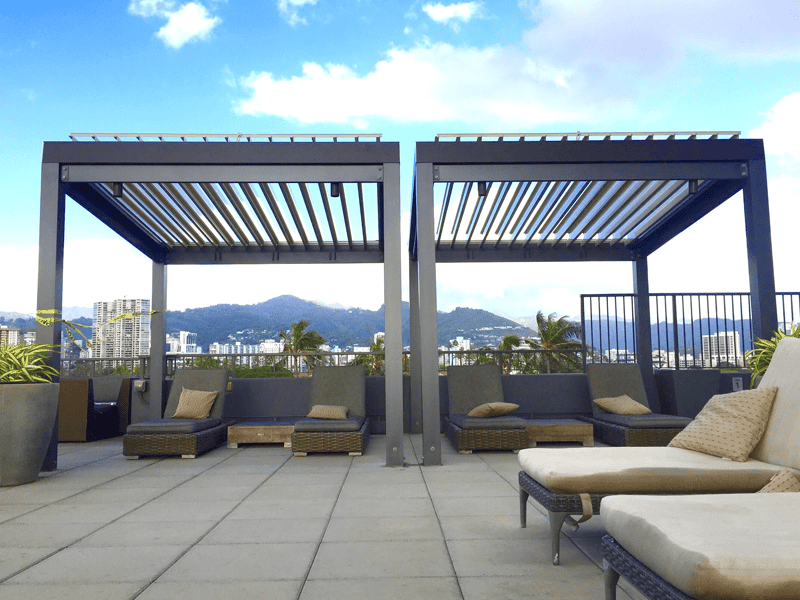
You know the drill. Your deck looks great, but when temperatures hit 100°F and the sun’s beating down, nobody’s using it. That’s the reality for most Sheldon homeowners with outdoor spaces.
A well-designed pergola changes that. You get shade where you need it, airflow that actually helps, and a structure built to handle everything Texas throws at it. Not just summer heat, but humidity, sudden storms, and the occasional hurricane threat that comes with living this close to the coast.
The difference shows up fast. Your patio becomes the place where family gathers instead of the space everyone avoids. Morning coffee outside doesn’t mean sweating through your shirt. Evening dinners happen more than twice a year.
And if you’re thinking about resale value, outdoor living spaces are pulling serious weight in Sheldon’s housing market right now. Buyers see a finished backyard as extra square footage, and they’re willing to pay for it.
Four Seasons Sunrooms has been building outdoor structures for nearly 50 years. We’re not new to this, and we’re not experimenting with your property.
Our Houston team knows what works in Harris County. We understand local building codes, permit requirements, and what it takes to build something that lasts in this climate. Every pergola we install is engineered to withstand 175 mph winds, which matters when you’re twelve miles from downtown Houston and hurricane season rolls around.
We handle the permits, coordinate inspections, and make sure everything’s done right the first time. You’re working with people who live here, who’ve built hundreds of these structures, and who’ll still be here if you need us five years from now.

First, we come to your property. Not to sell you, but to look at your space, measure accurately, and talk through what you’re trying to accomplish. We’ll discuss materials, placement, and whether an attached or freestanding design makes more sense for your situation.
Once you approve the design, we handle permits and schedule the work. We pull everything needed from the city, set up inspector visits, and keep you updated without you having to chase anyone down.
Installation typically takes a few days depending on the project scope. We’re building a structure that’s engineered for Texas weather, so there’s real work involved: proper footings, quality materials, attention to detail that matters when storms hit.
After installation, there’s a final inspection to make sure everything meets code. Then you’ve got a pergola that’s ready to use, backed by a lifetime warranty on materials and workmanship that transfers if you sell.

Ready to get started?
Every pergola we install in Sheldon is engineered specifically for Texas conditions. That means wind ratings that matter during hurricane season, materials selected to handle humidity and heat, and construction methods that account for our soil and weather patterns.
You can choose from wood, aluminum, or composite materials depending on your maintenance preference and aesthetic goals. Wood gives you that classic look but requires upkeep. Aluminum and composite options deliver durability with almost zero maintenance, which makes sense for most Houston homeowners.
We can integrate your pergola with existing outdoor features or build it as a standalone structure. Attached pergolas extend your home’s roofline and create covered transition spaces. Freestanding designs work well for defining separate areas in larger yards or positioning shade exactly where you need it.
Modern pergola designs can include retractable canopies for adjustable shade, integrated lighting for evening use, ceiling fans for air circulation, and even Bluetooth speakers if that’s your thing. We’re building functional outdoor living space, not just something that looks good in photos.
The installation includes all permits, professional-grade materials, engineered structural components, and coordination with city inspectors. You’re getting a complete project, not a kit you have to figure out yourself.

A properly built pergola in Sheldon should last decades, but that depends entirely on materials and installation quality. Wood pergolas can last 20-30 years with regular maintenance like sealing and staining every few years. Skip the maintenance, and you’re looking at rot, termite damage, and warping from our humidity and sun exposure.
Aluminum and composite pergolas last longer with almost no maintenance required. These materials don’t rot, won’t attract termites, and handle UV exposure without breaking down. You’re looking at 30-50 years or more with minimal upkeep beyond occasional cleaning.
The engineering matters just as much as materials. Our pergolas are stamped for 175 mph winds because we’re building for Gulf Coast weather. That’s not marketing language, that’s actual structural engineering that determines whether your pergola stays standing when a storm comes through. Cheap installations without proper footings, inadequate fasteners, or substandard materials won’t make it through their first major weather event.
Outdoor living improvements in Houston suburbs are consistently returning 70-80% of their cost at resale, sometimes more depending on execution and market conditions. That’s higher than most interior renovations, which surprises people.
The reason is straightforward: buyers in Sheldon are comparing multiple homes in a competitive market. When they see a finished backyard with quality outdoor structures, they view it as bonus living space. You’re not just adding a pergola, you’re expanding the functional square footage of the home in buyers’ minds.
The return improves when the pergola is part of a cohesive outdoor living setup. A standalone pergola is nice. A pergola that creates a defined outdoor room with proper flooring, maybe an outdoor kitchen or fire pit, and thoughtful landscaping becomes a legitimate selling feature that can influence offers.
Beyond resale, there’s the use value. If a pergola means you actually use your backyard instead of avoiding it eight months a year, that’s worth something. Most Sheldon homeowners tell us they wish they’d done it sooner because of how much more they’re outside.
Yes, and anyone telling you otherwise is setting you up for problems. Sheldon falls under Harris County jurisdiction, and they require permits for permanent outdoor structures including pergolas. This isn’t optional or something you can skip to save money.
Permits exist for good reasons in our area. We’re in a coastal wind zone with specific engineering requirements for structures. Inspectors verify that your pergola is built to withstand hurricane-force winds, that footings are adequate for our soil conditions, and that construction meets safety standards.
If you skip permits and something goes wrong, your homeowner’s insurance can deny claims. If you try to sell your home, unpermitted structures show up in inspections and can kill deals or force you to tear down and rebuild properly. Some buyers will walk away entirely rather than deal with unpermitted work.
We handle all permit applications and inspector coordination as part of our service. You don’t have to figure out what forms to fill out, when inspections need to happen, or what the city requires. We’ve done this hundreds of times and know exactly what Harris County expects.
Attached pergolas connect directly to your home, usually extending from the roofline to cover an existing patio or deck. They create a covered transition space between indoors and outdoors, which works well for areas right off the house where you want weather protection and defined space.
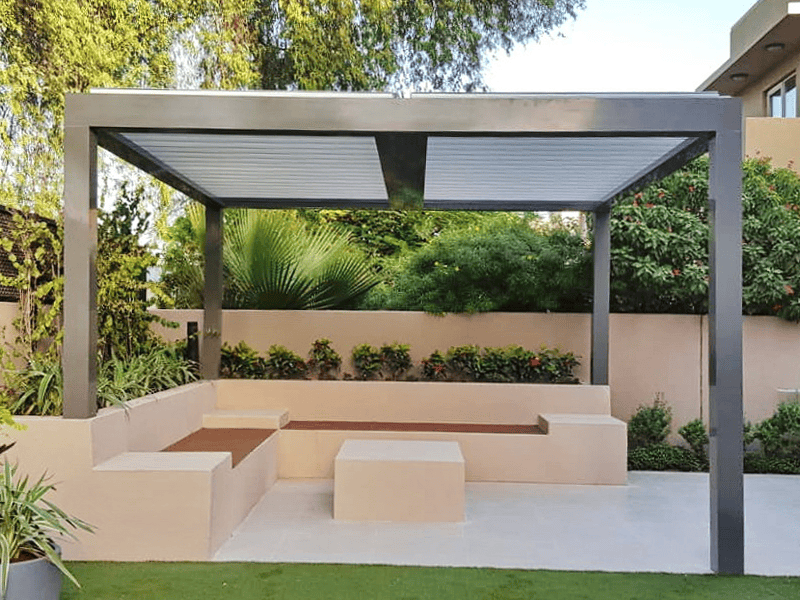
Freestanding pergolas stand independently anywhere in your yard. They’re better for creating separate outdoor rooms away from the house, positioning shade over specific areas like pools or seating areas, or working with homes where attaching to the structure isn’t practical or desirable.
Attached designs typically cost less because you’re using the house for structural support on one side. They also tend to feel more integrated with the home’s architecture. The downside is you’re limited to positioning near the house, and installation requires proper flashing and waterproofing where the pergola meets your home.
Freestanding pergolas give you complete flexibility in placement and design. You can put shade exactly where you need it, create multiple outdoor zones, or build something that doesn’t depend on your home’s architecture. They require more structural support since they’re not anchored to the house, which can increase cost slightly.
That depends entirely on what material you choose. Wood pergolas need the most attention. You’re looking at cleaning, sealing, and staining every 2-3 years to protect against Houston’s humidity, UV exposure, and temperature swings. Skip this maintenance and you’ll deal with warping, cracking, and eventual rot. Termites are also a real concern with wood structures in Texas.
Aluminum pergolas need almost nothing. Occasional washing to remove dirt and pollen is about it. The material doesn’t rot, won’t attract insects, and handles our weather without breaking down. No sealing, no staining, no worry about structural integrity degrading over time.
Composite materials fall somewhere in between but lean toward low maintenance. They’re engineered to resist fading, won’t rot or crack, and don’t need sealing. You might need to clean them periodically, but you’re not doing regular treatments like you would with wood.
Most Sheldon homeowners go with aluminum or composite specifically because they don’t want another maintenance task. You’re already dealing with lawn care, pool maintenance if you have one, and everything else that comes with Houston-area homeownership. A structure that takes care of itself makes sense.
If it’s engineered and installed correctly, yes. Our pergolas are stamped for 175 mph winds, which exceeds the requirements for coastal wind zones in Texas. That’s not a marketing claim, it’s a structural engineering certification that goes with every installation.
The engineering involves several factors: proper footings that go deep enough for our soil conditions, structural members sized and spaced to handle wind loads, fasteners and connections that won’t fail under stress, and overall design that accounts for uplift and lateral forces during storms.
Where people run into trouble is with cheap installations or DIY kits that don’t meet engineering standards. A pergola that looks fine on a calm day can become a dangerous projectile when sustained winds hit. We’ve seen plenty of failed structures after storms, and it’s always the same story: inadequate footings, undersized lumber, or improper fastening.
Living twelve miles from downtown Houston means you’re close enough to the coast that hurricane preparedness matters. We build every pergola assuming it will face a major storm at some point. That’s why we use engineered designs, pull proper permits, and make sure inspections verify everything meets code. You want a structure that’s still standing after the storm, not one you’re cleaning up from your neighbor’s yard.
Other Services we provide in Sheldon