

Transform your Long Island home with our custom sunrooms, liferooms, pergolas, and more! Quality Designs That Improve Your Space And Lifestyle.
Contact Info
Transform your Long Island home with our custom sunrooms, liferooms, pergolas, and more! Quality Designs That Improve Your Space And Lifestyle.
Contact Info
Hear From Our Clients
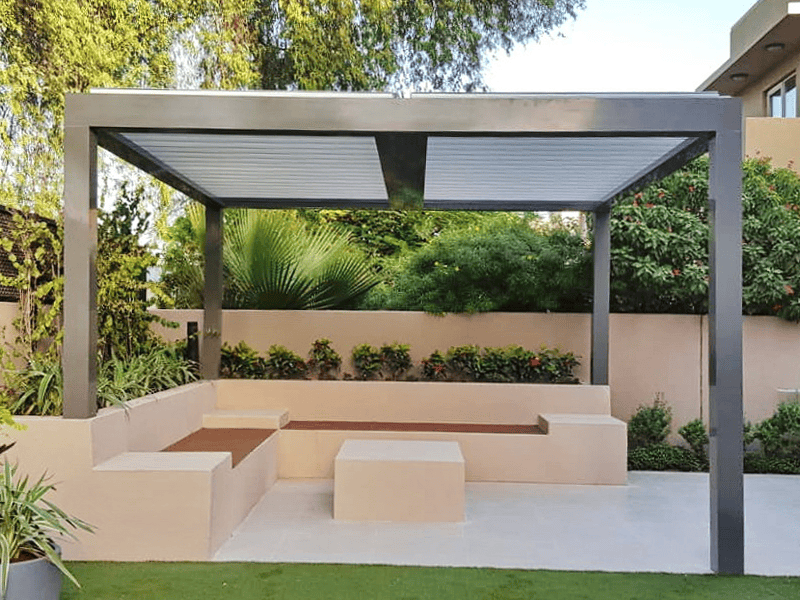
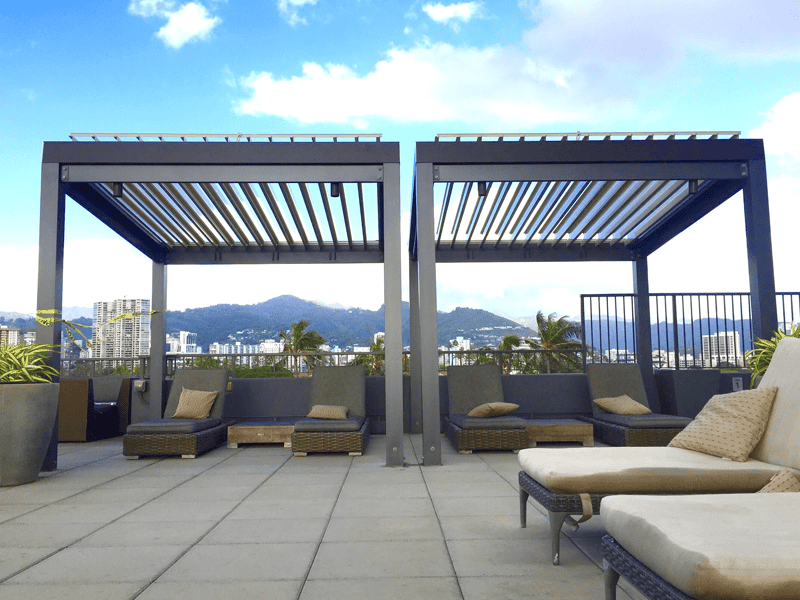
Your backyard sits empty most of the year because it’s either too hot, too humid, or you’re worried about the next storm. That’s not a landscaping problem—it’s a structure problem.
A properly designed pergola changes how you use your property. You get shade that actually cools the space, not just blocks direct sun. You get airflow that makes humidity bearable. And if it’s engineered right, you get a structure that won’t become a liability when hurricane season rolls around.
Most homeowners in Seabrook are dealing with the same thing: outdoor furniture that bakes in the sun, patios that feel like convection ovens by noon, and the nagging thought that any investment in outdoor living might get shredded the next time a storm comes through. A well-built pergola addresses all of that. It extends your living space without the cost of an addition, adds property value, and gives you a reason to actually step outside between May and September.
We’ve been in the outdoor living business for nearly 50 years. We’re not new to Gulf Coast weather, HOA requirements, or what it takes to build something that lasts in Seabrook.
Every pergola we install is engineered to meet Texas Department of Insurance coastal windstorm requirements. That’s not optional—it’s how we build. We’re licensed, insured, and we handle permitting and HOA approvals so you don’t have to chase down paperwork or guess whether your project will pass inspection.
We work with both aluminum and cedar depending on what fits your home and your maintenance tolerance. Our team understands clay soil, knows how to anchor structures properly, and designs around your existing architecture—not against it.

We start with a consultation at your property. You show us the space, we talk through what you’re trying to accomplish, and we take measurements. If you’re in an HOA community, we’ll review your deed restrictions and let you know what’s required before we move forward.
Once we agree on a design, we handle the engineering, permitting, and HOA submissions. You’ll get stamped plans from a registered Texas structural engineer—that’s required for anything built in Seabrook, and it’s included in our process. We don’t start building until everything is approved.
Installation depends on the material and complexity. Most aluminum pergolas go up in one to three days after permits clear and materials arrive. Custom cedar builds take a bit longer—usually three to five days—especially if staining or custom detailing is involved. We anchor everything with engineered footings, not surface mounts, so the structure is secure in high winds.
After installation, you get a comprehensive warranty. Our aluminum pergolas come with a limited lifetime warranty that stays in effect as long as you own your home and transfers to the next owner for ten years. That covers materials and workmanship—not just the frame.

Ready to get started?
Every pergola we build in Seabrook is designed around local conditions. That means engineering for 150 mph ultimate wind speeds, accounting for soil movement, and choosing materials that won’t rot, warp, or corrode in coastal humidity.
Aluminum pergolas are low-maintenance and corrosion-resistant—ideal if your structure is near a pool or within a few miles of the bay. No staining, no sealing, no repainting. Cedar delivers a warmer look with custom detailing options, but it requires periodic maintenance to hold up in this climate. We’ll walk you through both so you know what you’re committing to.
We also integrate modern features if that’s part of your plan. Motorized louvers, integrated lighting, weather sensors, outdoor sound systems—all of it can be built into the structure from the start. If you want a pergola that adjusts to conditions automatically, that’s an option. If you just want solid shade and a place to sit outside without melting, we can do that too.
The other piece that matters here: HOA compliance. Seabrook communities have architectural review processes, and most require pre-approval for any exterior modification. We submit the applications, provide the required drawings, and handle any follow-up. You’re not navigating that process alone.

The timeline depends on two things: how long permitting and HOA approval take, and how complex your build is. In Seabrook, you’ll need a building permit and engineered plans stamped by a Texas structural engineer. Most permits take one to three weeks to process, but that can stretch longer depending on the city’s workload.
If you’re in an HOA, add another week or two for architectural review. Some HOAs meet monthly, others review on a rolling basis. We submit everything on your behalf and follow up as needed, but we can’t control their schedule.
Once approvals are in and materials arrive, installation is fast. A standard aluminum pergola usually goes up in one to three days. Custom cedar builds with staining or intricate detailing can take three to five days. We don’t rush the install—footings need to cure, connections need to be secure, and finishes need to be done right.
If it’s engineered correctly, yes. Every pergola we install is designed to meet Texas Department of Insurance coastal windstorm requirements, which means it’s built to handle 150 mph ultimate wind speeds. That’s not a suggestion—it’s the code requirement for structures in Seabrook, and it’s enforced during the permitting process.
The key is in the engineering and the anchoring. We use engineered footings that go deep enough to stay stable in clay soil, and every connection point is structurally rated. Surface-mounted pergolas or DIY kits don’t meet that standard, and they’re the ones that end up in your neighbor’s yard after a storm.
Aluminum pergolas handle high winds better than wood because the material is lighter and the connections are more predictable. Cedar can be engineered to the same standard, but it requires more attention to fasteners and bracing. Either way, if the structure is stamped by an engineer and installed correctly, it’s built to stay put.
If you live in a deed-restricted community, yes. Most Seabrook neighborhoods require architectural review for any exterior modification, and that includes pergolas, patio covers, and shade structures. You’ll need to submit a home improvement application with drawings, material specs, and sometimes a site plan before you start construction.
Each HOA has its own approval process. Some meet once a month and review applications in batches. Others have a rolling review and respond within a week or two. The key is submitting complete documentation upfront so you don’t get delayed by requests for more information.
We handle that submission for you. We provide the drawings, material details, and any supporting documents the HOA requires. If they come back with questions or requests for changes, we manage that communication. You’re not stuck playing middleman between your HOA and your contractor. Once approval comes through, we move forward with permitting and scheduling.
Aluminum is low-maintenance and built for coastal conditions. It won’t corrode, warp, crack, or rot, even with constant exposure to humidity and salt air. You don’t need to stain it, seal it, or repaint it—just rinse it off occasionally. If your pergola is near a pool or within a few miles of the bay, aluminum makes sense. It also handles high heat without expanding or contracting the way wood does.
Cedar gives you a warmer, more traditional look and allows for more custom detailing. You can stain it, shape it, and integrate design elements that aren’t possible with aluminum extrusions. But it requires maintenance. In Seabrook’s humidity, untreated cedar will weather and gray over time. If you want it to hold its color, you’ll need to reseal it every few years. It’s more work, but some homeowners prefer the aesthetic.
Both materials can be engineered to the same wind rating, so structural performance isn’t the deciding factor. It comes down to how much maintenance you’re willing to do and what look you’re going for. We’ll show you examples of both and help you figure out what fits your property and your tolerance for upkeep.
Pricing depends on size, material, and complexity. In the Houston area, aluminum pergolas typically run around $38 per square foot without a concrete pad. Cedar costs more—usually $50 per square foot or higher—because of material costs and the labor involved in custom carpentry and finishing.
Those are baseline numbers. If you’re adding motorized louvers, integrated lighting, weather sensors, or custom beam work, the price goes up. If your site requires extra grading, deeper footings because of soil conditions, or additional structural bracing to meet engineering requirements, that affects cost too.
We don’t give quotes over the phone because too many variables are involved. We need to see the space, understand what you’re trying to build, and know whether there are site-specific challenges that will affect installation. Once we do that, we can give you an accurate number that includes engineering, permitting, materials, labor, and warranty. We also offer financing up to $125,000 with competitive rates if you’d rather spread the cost out.
Yes, and it’s easier to build those features in from the start than to retrofit them later. We can integrate LED lighting, ceiling fans, outdoor speakers, and even motorized louver systems that adjust automatically based on weather conditions. If you want a pergola that closes when it rains or opens when the sun drops below a certain angle, that’s all possible with the right components.
The key is planning for electrical and control systems during the design phase. If you want fans or lighting, we’ll need to run conduit and plan for junction boxes before the structure goes up. If you’re adding motorized louvers or weather sensors, those systems need to be specified upfront so we can integrate the motors and wiring cleanly.
Smart home integration is also an option. You can control lighting, louvers, and fans from your phone or tie everything into your existing home automation system. It’s not necessary, but if you’re already using smart controls inside, it makes sense to extend that to your outdoor space. We’ll walk you through what’s available and what makes sense for how you plan to use the pergola.
Other Services we provide in Seabrook