

Transform your Long Island home with our custom sunrooms, liferooms, pergolas, and more! Quality Designs That Improve Your Space And Lifestyle.
Contact Info
Transform your Long Island home with our custom sunrooms, liferooms, pergolas, and more! Quality Designs That Improve Your Space And Lifestyle.
Contact Info
Hear From Our Clients
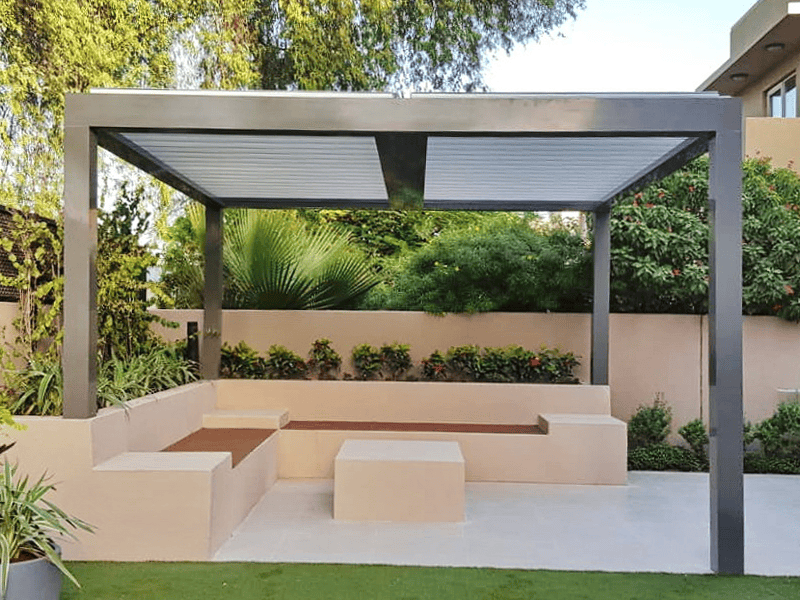
You didn’t invest in a backyard just to avoid it from May through September. A properly designed pergola drops your patio temperature by 10 to 15 degrees, gives you control over sun and rain, and turns that unused concrete slab into space you’ll actually want to be in.
Morgan’s Point sits right on Galveston Bay, which means you’re dealing with Gulf humidity, sudden summer storms, and relentless UV exposure that turns outdoor furniture into faded junk in two seasons. An attached pergola or freestanding structure gives you coverage where you need it—over seating areas, grills, or walkways—without blocking the breeze or making your yard feel closed in.
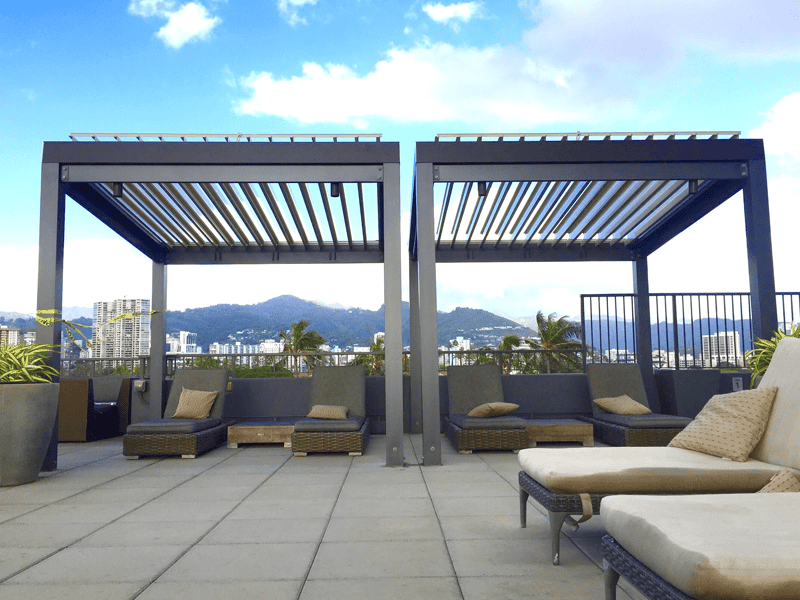
Modern pergola design isn’t just about looks. Louvered systems let you adjust for shade or airflow with a remote. Fixed wood pergolas give you that classic look with engineered footings that won’t shift in clay soil. Either way, you’re extending how much time you can spend outside without baking or getting rained out halfway through dinner.
Four Seasons Sunrooms has been building outdoor living structures since the 1970s. We’re not a crew that showed up last year with a trailer and a website. We’re licensed, insured, and we’ve seen what works in Gulf Coast conditions and what doesn’t.
Morgan’s Point homeowners care about their properties. You’ve got mature trees, waterfront views, and outdoor spaces that deserve better than a pop-up canopy or a pergola kit that sags after one storm. We use engineered connections, proper footings for clay soil, and materials that hold up to Houston sun and salt air.
You’ll work with people who show up on time, explain what’s happening, and don’t disappear after the deposit clears. That’s not a sales pitch—it’s just how we operate.

First, we come out to your property and look at where you want coverage. We’ll talk about whether you need an attached pergola that extends from your house or a freestanding structure over a patio or pool area. We’ll also discuss materials—wood pergolas for a natural look, or louvered aluminum systems if you want adjustable control over sun and rain.
Once you approve the design, we pull permits and schedule installation. Our crew handles footings, framing, and any electrical work if you’re adding lights or fans. We don’t subcontract the important stuff. The people who quote your job are the same ones who build it.
Installation typically takes a few days depending on size and complexity. We clean up when we’re done, walk you through how everything works if you’ve got motorized components, and make sure you’re comfortable with the finished structure before we leave. You’ll also get warranty information and our contact details in case anything comes up down the road.

Ready to get started?
Every pergola we install in Morgan’s Point is built with Gulf Coast weather in mind. That means engineered footings designed for clay soil and high water tables, structural connections rated for wind loads, and materials that won’t warp or rot in humidity.
You’ll get a structure that’s either attached to your home’s existing roofline or freestanding with its own support posts. We’ll integrate it with your landscaping, match your home’s architecture, and make sure it doesn’t look like an afterthought. If you want modern pergola design with clean lines and hidden hardware, we can do that. If you prefer a traditional wood look with visible beams and natural grain, that works too.
We also handle the details most homeowners don’t think about until it’s too late—drainage so water doesn’t pool on your patio, electrical rough-in if you’re adding ceiling fans or string lights, and proper clearances so your pergola doesn’t interfere with tree branches or utility lines. Harris County has specific setback requirements and HOA rules can be strict in waterfront communities. We know what’s allowed and what isn’t, and we’ll make sure your project gets approved without delays.

Most custom pergolas in the Morgan’s Point area run between $8,000 and $25,000 depending on size, materials, and features. A basic 12×12 wood pergola with standard posts and beams will be on the lower end. An attached louvered system with motorized controls, integrated lighting, and retractable screens will cost more.
The price includes design, permits, materials, installation, and cleanup. We don’t charge extra for clay soil footings or engineering stamps, which some contractors do. If you’re adding electrical for fans or outlets, that’ll add to the total, but we’ll break that out in the estimate so you know exactly what you’re paying for.
Financing is available up to $125,000 if you’d rather spread payments out. We’ll walk you through options during the consultation so you can decide what makes sense for your budget.
Wood pergolas are fixed structures with open slats that provide partial shade and a natural look. They’re great if you want something that blends into your landscaping and you’re okay with dappled sunlight instead of full coverage. You can add climbing plants or fabric panels later if you want more shade.
Louvered systems use adjustable aluminum slats that rotate to control sun, shade, and rain. You can open them for breeze and starlight, or close them completely when a storm rolls in. Most are motorized with remote controls or smartphone apps. They cost more upfront but give you a lot more flexibility, especially during unpredictable Gulf Coast weather.
Both options work in Morgan’s Point. It really comes down to whether you want a set-it-and-forget-it structure or something you can adjust throughout the day. We’ll show you examples of both during the consultation so you can see the difference in person.
Yes, but how much cooler depends on the design. A well-built pergola with proper coverage can drop your patio temperature by 10 to 15 degrees compared to full sun exposure. That’s the difference between sitting outside at 95 degrees versus 110 degrees—one is uncomfortable, the other is unbearable.
Louvered systems give you the most control because you can angle the slats to block direct sun while still allowing airflow. Fixed wood pergolas provide partial shade, which helps but won’t give you full protection during peak afternoon heat. If you’re serious about using your patio in July and August, you’ll want either a louvered system or a solid roof pergola with insulation.
Adding ceiling fans or misting systems makes a bigger difference than most people expect. We can integrate those into the design if you want maximum cooling. The goal is to create a space where you’re not constantly checking the weather app before you go outside.
Most pergola installations take three to five days from start to finish. Smaller freestanding structures can be done in two days if conditions are good. Larger attached pergolas with electrical work, custom features, or challenging site conditions might take a week.
Permitting adds time on the front end—usually one to two weeks in Harris County depending on how busy the building department is. We handle all of that, so you’re not making trips to the permit office or dealing with inspectors. Once permits are approved, we’ll schedule installation based on your availability and weather forecasts.
We don’t start jobs we can’t finish. If we say we’ll be there Monday, we’ll be there Monday. If something delays the project—weather, material backorders, permit issues—we’ll let you know immediately and give you a revised timeline. Most delays are weather-related during summer storm season, but we build buffer time into the schedule so you’re not left with a half-finished structure for weeks.
Yes. Any permanent structure attached to your home or anchored with concrete footings requires a building permit in Harris County. That includes pergolas, even if they’re technically “open” structures without solid roofs.
The permit process involves submitting plans, getting engineering stamps for wind and soil loads, and scheduling inspections during and after construction. It sounds complicated, but we handle all of it as part of the installation. You’ll need to sign the permit application as the property owner, but we do the legwork.
If you live in a neighborhood with an HOA, you’ll also need architectural approval before we can pull permits. Some HOAs in waterfront communities have strict rules about structure height, setbacks, and materials. We’ll help you put together the submission and make sure the design meets their guidelines so you don’t get rejected and have to start over.
Sometimes, but it depends on what’s already there. If you’ve got a solid patio cover with enough structural capacity, we can extend it or tie into the existing framing. If the existing structure is undersized, sagging, or built with substandard materials, we’ll need to reinforce it or build the pergola as a separate freestanding unit.
We’ll evaluate your existing setup during the site visit and let you know what’s possible. Attaching to an existing structure saves money compared to building from scratch, but only if the existing work was done right. A lot of older patio covers in Morgan’s Point weren’t built to current wind load standards, which means they’re not safe to build onto without upgrades.
If we do attach to your home, we’ll use proper flashing and waterproofing so you don’t end up with leaks or water damage down the road. That’s one area where cutting corners causes expensive problems later, and it’s also one of the first things building inspectors check during final inspection.
Other Services we provide in Morgan'S Point