

Transform your Long Island home with our custom sunrooms, liferooms, pergolas, and more! Quality Designs That Improve Your Space And Lifestyle.
Contact Info
Transform your Long Island home with our custom sunrooms, liferooms, pergolas, and more! Quality Designs That Improve Your Space And Lifestyle.
Contact Info
Hear From Our Clients
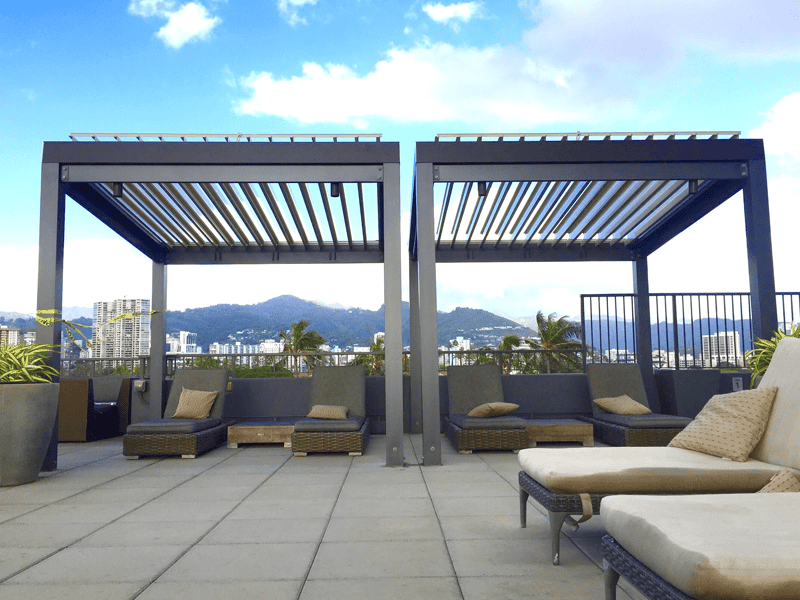
You know how it goes in Golfcrest summers. By mid-morning, the backyard’s already off-limits. Heat index pushing 105°F, humidity at 80%, and you’re back inside until sunset.
A properly designed pergola changes that math. You get defined shade where you need it, airflow that actually helps, and a structure that won’t warp, rot, or demand a weekend of maintenance every spring. Aluminum pergolas handle the Gulf Coast climate without the upkeep wood requires—no staining, no sealing, no replacing boards after a storm.
This isn’t about decoration. It’s about reclaiming 300+ hours of outdoor time per year that Houston weather would otherwise steal. Mornings with coffee outside. Afternoons where the kids can play without overheating. Evenings that don’t require retreating indoors the second the sun drops.
We bring nearly 50 years of outdoor living experience to the Houston market. We’re not new to this climate, and we’re not learning on your property.
Every pergola we install in Golfcrest/Bellfort is engineered to Texas Department of Insurance coastal windstorm requirements. That means your structure is built to handle hurricane-force winds, not just look good on installation day. We understand clay soil shifts, HOA requirements, and city permitting—the stuff that trips up contractors who don’t specialize in this work.
You’re working with a licensed, insured team that knows the difference between a backyard shade structure and a properly engineered outdoor living space. That difference matters when the next tropical system rolls through.

We start with your space and your goals. You tell us how you want to use the area, and we design a custom pergola that fits your home’s architecture and your family’s needs. Modern attached pergola for entertaining? Freestanding structure for backyard shade? We’ll show you what works and what doesn’t before anything gets built.
Next comes engineering and permitting. We handle the drawings, the calculations, and the paperwork so your project gets approved before construction starts. This step matters more than most homeowners realize—especially in neighborhoods with HOA oversight or properties in flood zones.
Installation happens on your timeline, not ours. We coordinate around your schedule, complete the work without dragging it out for weeks, and clean up like we were never there. You get a structure that’s built to code, engineered for Houston weather, and ready to use the day we finish.

Ready to get started?
Your pergola comes with rust-proof, rot-resistant aluminum construction designed specifically for Texas heat and humidity. No wood grain texture sacrificed—you get the look without the upkeep. These structures handle rain, extreme temperatures, and UV exposure without cracking or fading.
We can integrate smart technology if you want it: built-in lighting, ceiling fans, Bluetooth speakers, even retractable canopies for adjustable shade. The goal is year-round usability, not just a structure that sits empty nine months of the year.
Every project includes full engineering to meet coastal windstorm standards, professional installation by licensed contractors, and help navigating Golfcrest/Bellfort permitting requirements. You’re not just getting a pergola—you’re getting a structure that adds real value to your property. Well-built outdoor living spaces in Houston typically return 50-80% of project cost at resale, with some upgrades exceeding 100% ROI.

Custom pergola costs in the Houston area typically range from $8,000 to $25,000+ depending on size, materials, and features. Aluminum pergolas run higher than wood upfront but eliminate the ongoing maintenance costs that add up over time.
The real cost conversation isn’t just about installation—it’s about what you’re getting for that investment. A properly engineered structure that’s hurricane-rated, built to code, and designed for your specific property will cost more than a basic kit from a big box store. But you’re also getting a structure that won’t need replacing after the next major storm, won’t require annual staining or sealing, and won’t rot out in five years from Houston humidity.
We offer flexible financing options including unsecured loans up to $125,000 with competitive rates. That lets you move forward with the outdoor living space you actually want, not a scaled-down version that doesn’t solve the problem. During your consultation, we’ll give you a detailed quote based on your specific project—no vague estimates or surprise charges later.
Yes, most pergola installations in Houston require permits, especially if the structure is attached to your home or exceeds certain size thresholds. The permitting process also depends on whether you’re in an HOA and what your neighborhood’s specific requirements are.
This is where working with experienced pergola contractors makes a difference. We handle the permit application, engineering drawings, and coordination with the city so you don’t have to figure out what forms to file or which department to contact. We’ve been through this process hundreds of times in the Houston area, and we know what the inspectors are looking for.
Skipping permits might seem like a shortcut, but it creates problems down the line—especially when you go to sell your home or file an insurance claim after storm damage. We make sure your pergola is properly permitted, engineered to code, and documented so there are no issues later. That’s part of doing the job right the first time.
When properly engineered, yes—aluminum pergolas are specifically designed to handle Gulf Coast weather including hurricane-force winds. Every pergola we install is engineered to Texas Department of Insurance coastal windstorm requirements, which means the structure is built to withstand the extreme conditions Houston can throw at it.
Aluminum has major advantages over wood in storm-prone areas. It won’t rot from moisture exposure, won’t weaken from insect damage, and won’t warp from humidity fluctuations. The material itself is lighter than wood but stronger in the configurations we use for pergola construction. That means less stress on your home’s structure if you’re doing an attached pergola, and better wind resistance overall.
The engineering matters as much as the material. We’re not just bolting together a shade structure and hoping it stays put. Every connection point, every anchor, every beam is calculated for wind load and installed to spec. You’re getting a structure that’s built to last through multiple hurricane seasons, not just look good on installation day.
Most custom pergola installations take 3-7 days from start to finish once permits are approved and materials arrive. The timeline depends on the size and complexity of your project—a simple freestanding structure goes faster than an attached pergola with integrated lighting and electrical work.
The permitting phase adds time upfront, usually 2-4 weeks depending on the city’s current workload and whether any revisions are needed. We handle that entire process, so you’re not waiting on hold with the permitting office or trying to decipher engineering requirements. Once we get approval, we schedule installation around your availability.
Weather can impact the timeline since we’re working outdoors, but Houston’s climate usually allows for year-round construction. We’ll give you a realistic schedule during your consultation and keep you updated if anything changes. The goal is to complete your project efficiently without rushing the work or leaving you wondering when we’re coming back to finish.
The main difference comes down to maintenance and longevity in Houston’s climate. Wood pergolas require regular staining or sealing to prevent rot, warping, and insect damage—especially in our humidity. Aluminum pergolas require essentially zero maintenance and handle moisture without degrading.
Wood gives you a traditional look and can be slightly less expensive upfront, but those savings disappear when you factor in the maintenance costs over 10-15 years. You’re looking at restaining every 2-3 years, replacing boards that warp or rot, and dealing with carpenter bee damage if you go with certain wood species. In the Gulf Coast climate, wood structures take a beating.
Aluminum pergolas now come with realistic wood-grain textures, so you’re not sacrificing aesthetics for durability. The material won’t crack, won’t fade, won’t rot, and won’t need repainting. For Houston homeowners who want outdoor living space they can actually enjoy instead of constantly maintain, aluminum makes more sense. You pay a bit more upfront and then you’re done—no ongoing costs, no weekend projects, no replacing the whole structure in 15 years.
A well-designed pergola significantly extends your outdoor time, but it’s not magic—you’re still in Houston. What it does is create defined shade that drops the felt temperature by 10-15 degrees compared to direct sun exposure, and it gives you a structure to add fans, misters, or retractable canopies that make the space genuinely comfortable.
The key is understanding what you’re trying to solve. If your goal is to sit outside at 2pm in August, even the best pergola has limits. But if you want to reclaim your mornings, extend your evenings, and create a space that’s usable from October through May instead of just three months a year, a properly designed pergola delivers that.
We design for airflow, not just shade. A pergola that blocks sun but traps heat underneath doesn’t solve the problem. You need a structure that allows air movement while providing coverage, positioned to take advantage of prevailing breezes and oriented to block sun during peak heat hours. Add a couple of ceiling fans and you’ve got a space that’s 20-25 degrees cooler than standing in your driveway—and that’s the difference between outdoor time and hiding inside with the AC cranked.
Other Services we provide in Golfcrest / Bellfort