

Transform your Long Island home with our custom sunrooms, liferooms, pergolas, and more! Quality Designs That Improve Your Space And Lifestyle.
Contact Info
Transform your Long Island home with our custom sunrooms, liferooms, pergolas, and more! Quality Designs That Improve Your Space And Lifestyle.
Contact Info
Hear From Our Clients
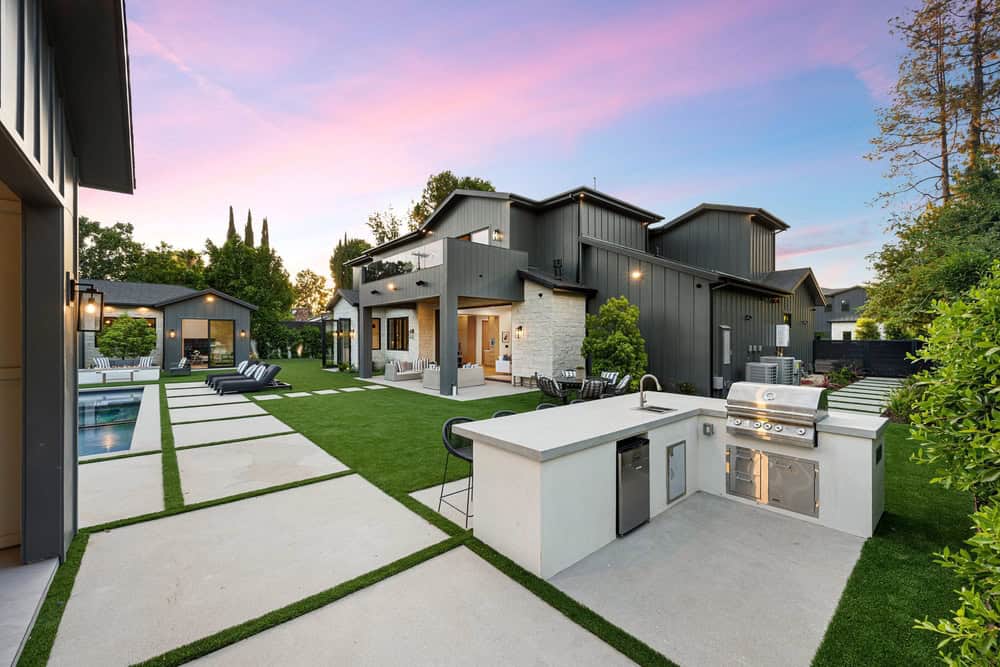
When it’s 95 degrees with a heat index pushing 110, your backyard becomes unusable. You’ve got the space, the furniture, maybe even a grill setup—but no one wants to sit out there when the sun’s beating down or a thunderstorm rolls in out of nowhere.
A solid patio roof changes that. You’re looking at temperatures dropping 15 degrees in the shade, which means you can actually enjoy being outside during peak summer months. Your AC isn’t working overtime trying to cool rooms that face west. Your outdoor furniture stops fading and cracking from UV exposure.
This isn’t about curb appeal or resale value, though both improve. It’s about getting full use of your property instead of watching your patio sit empty for half the year because it’s too hot, too bright, or too unpredictable.
Seabrook gets 106 days over 90 degrees annually. That’s a third of the year where outdoor spaces are borderline unusable without cover. Add in sudden Gulf Coast downpours and you’re looking at wasted square footage and wasted money on outdoor setups you can’t use when you want to.
We’ve been in the outdoor living business since the mid-70s. That’s decades of figuring out what works in climates like ours—hot, humid, prone to storms, and unforgiving on anything that’s not built right.
We’re fully licensed and insured, and we handle projects from consultation through installation with our own crews. That means you’re not dealing with a rotating cast of subcontractors who may or may not show up.
Seabrook homeowners deal with specific challenges: salt air from Galveston Bay, hurricane-season wind loads, and heat that doesn’t quit. We build aluminum patio covers and outdoor roof structures designed for exactly that. Not generic kits. Not one-size-fits-all solutions. Structures that fit your home and hold up to what the Gulf Coast throws at them.

First, we come out to look at your space. We’re measuring, checking how your home is oriented, looking at drainage, and talking through what you actually need. Some people want full coverage. Others want partial shade or a setup that ties into an existing structure.
Once we’ve nailed down the design, we pull permits and order materials. Everything’s custom-cut to fit your specific measurements. No prefab guessing games.
Installation typically takes a few days depending on size and complexity. We anchor posts, set beams, install the roof panels, and handle flashing and trim so water drains correctly. You’re not dealing with leaks or sagging six months later because someone cut corners.
After it’s up, we walk you through maintenance—which is minimal with aluminum. No painting, no sealing, no rot to worry about. You hose it down once in a while and that’s it.
The whole process from consultation to completion usually runs two to three weeks, depending on permitting and weather. You’ll know the timeline upfront, and we keep you updated if anything shifts.

Ready to get started?
Aluminum is the go-to material here for a reason. It doesn’t rust in salt air, doesn’t warp in humidity, and holds up under wind loads that would tear apart wood or vinyl. It’s also low-maintenance, which matters when you’re dealing with Seabrook’s year-round moisture and pollen.
You’re getting a structure engineered to local building codes, which means it’s designed to handle wind speeds and load requirements specific to Harris County and the Gulf Coast. That’s not optional—it’s required, and it’s the difference between a patio canopy that lasts 20 years and one that needs repairs after the first storm.
Solid patio roofs block 100% of direct sunlight and rain. Lattice options give you partial shade if you want some light filtering through. Both reduce the amount of heat hitting your home’s exterior walls, which cuts cooling costs during summer months when your AC is already running nonstop.
Most installations also include integrated gutters to manage water runoff. Seabrook gets about 50 inches of rain a year, and you don’t want that pooling around your foundation or turning your patio into a splash zone every time it storms.
We also offer financing up to $125,000 if you’d rather spread payments out instead of writing one big check. Rates are competitive, and approval is straightforward for most homeowners.

You’re looking at a temperature drop of around 15 degrees in the shaded area compared to direct sunlight. That’s the difference between sitting outside comfortably at 85 degrees versus baking at 100-plus.
The cover blocks UV rays and direct heat, which also means your outdoor furniture, cushions, and any equipment stored under the patio won’t fade or crack as fast. If your patio faces west or south, the difference is even more noticeable because those exposures get the most intense sun during peak afternoon hours.
It also reduces the heat load on your home’s exterior. When your back wall isn’t absorbing direct sunlight all day, your AC doesn’t have to work as hard to keep interior rooms cool. That shows up on your energy bill, especially during Seabrook’s long summers when temperatures stay above 90 for months at a time.
If it’s engineered and installed correctly, yes. That means proper anchoring, wind-rated materials, and compliance with local building codes that account for Gulf Coast storm conditions.
Aluminum patio covers are designed to handle specific wind loads based on your location. In Seabrook, that means accounting for tropical storm and hurricane-force winds. Posts are anchored into concrete footings, beams are through-bolted, and roof panels are secured to prevent uplift.
That said, no outdoor structure is hurricane-proof. If you’re in the path of a Category 3 or higher storm, you’re likely dealing with damage across the board. But a properly installed cover will handle typical summer storms, tropical depressions, and lower-category systems without issue. The key is making sure it’s built to code from the start, not installed as a DIY project or by someone cutting corners on materials.
Yes. Any permanent structure attached to your home requires a building permit in Seabrook and Harris County. That includes patio covers, pergolas, and outdoor roof structures.
The permit process ensures the structure meets local building codes for wind load, drainage, setbacks, and safety. It also protects you if you ever sell your home—buyers and inspectors will flag unpermitted work, and you could be on the hook for fines or forced removal.
We handle permitting as part of the installation process. That means pulling the right permits, scheduling inspections, and making sure everything passes before the job is considered complete. It adds a bit of time upfront, but it’s not optional, and it’s worth doing right the first time instead of dealing with code enforcement issues later.
Most installations take two to three days once we’re on-site, depending on the size and complexity of the structure. Smaller covers over a basic patio slab go faster. Larger setups or projects that require custom framing, electrical work, or tie-ins to existing structures take longer.
The bigger timeline factor is permitting. Once we finalize the design, we submit for permits, which can take one to two weeks depending on the city’s workload. After approval, we schedule installation based on material lead times and weather.
From your initial consultation to final walkthrough, expect two to three weeks total in most cases. We’ll give you a specific timeline once we’ve looked at your property and confirmed the scope of work. If anything shifts—weather delays, permit issues, material backorders—we’ll let you know immediately so you’re not left guessing.
Minimal. Aluminum doesn’t rot, rust, or require painting, which is why it’s the standard for coastal climates like Seabrook where humidity and salt air tear through wood and steel.
You’ll want to hose it down a few times a year to clear pollen, dirt, and debris. If you’ve got gutters integrated into the cover, check those periodically to make sure they’re draining and not clogged with leaves. That’s about it.
Unlike wood pergolas or vinyl covers, you’re not dealing with staining, sealing, or replacing warped boards every few years. Aluminum holds its finish and structure with almost no upkeep, which is the whole point. You’re installing it so you can use your patio, not so you can spend weekends maintaining the thing that’s supposed to make your life easier.
Yes, as long as the slab is in good condition and there’s adequate space for footings. We’ll assess the slab during the consultation to make sure it’s level, free of major cracks, and thick enough to support the structure.
In most cases, we’ll drill and anchor posts directly into the slab or pour separate footings adjacent to it, depending on the design and load requirements. If your slab has drainage issues or significant settling, we’ll address that before installation so you’re not dealing with water pooling or structural problems down the line.
Existing patios are actually ideal for covers because the groundwork is already done. You’re just adding protection and shade to a space you’re already using. The key is making sure everything is square, level, and built to code so the cover integrates cleanly with what’s already there.
Other Services we provide in Seabrook