

Transform your Long Island home with our custom sunrooms, liferooms, pergolas, and more! Quality Designs That Improve Your Space And Lifestyle.
Contact Info
Transform your Long Island home with our custom sunrooms, liferooms, pergolas, and more! Quality Designs That Improve Your Space And Lifestyle.
Contact Info
Hear From Our Clients
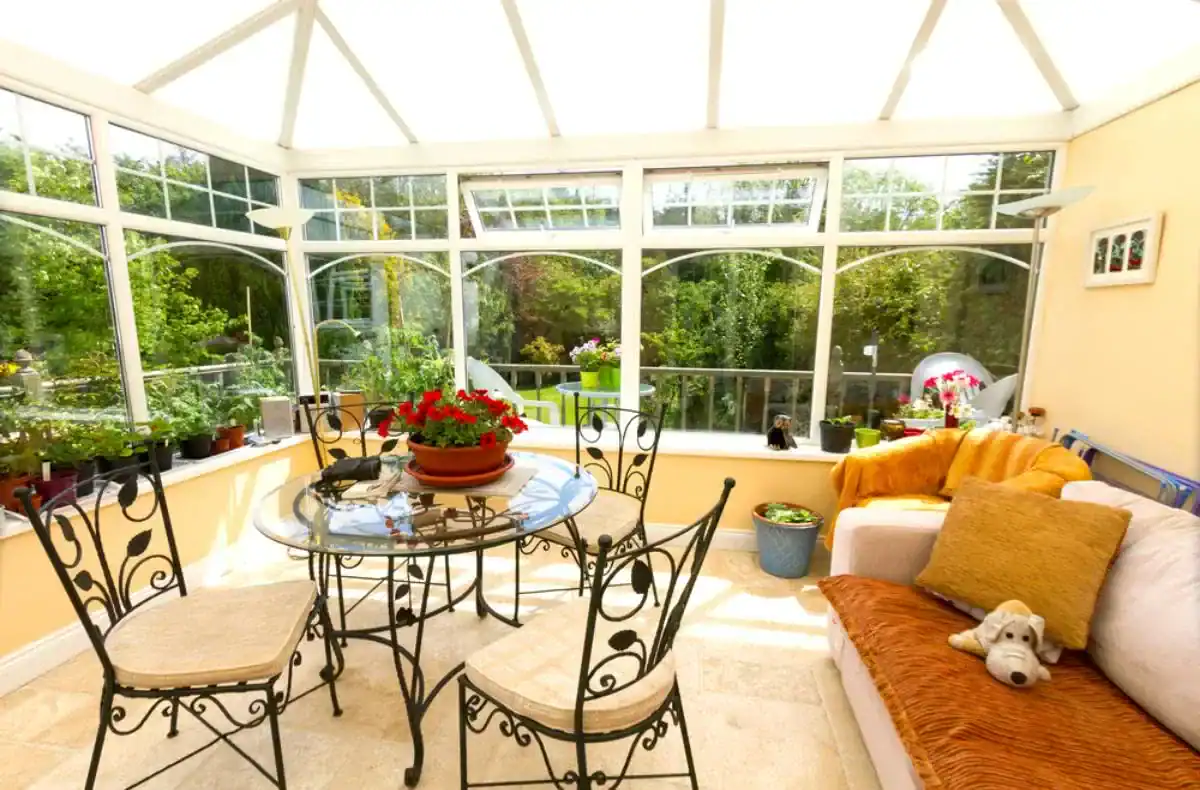
You’re looking at your backyard thinking there’s potential there, but Texas summers make it unbearable and spring means mosquitos the size of hummingbirds. A glass conservatory changes that equation completely.
You get a room that feels like you’re outside without actually dealing with the weather. No bugs. No sudden rainstorms cutting your afternoon short. No sweltering heat that makes you regret stepping out there in July.
It’s square footage that buyers actually count when they’re looking at your home. Not a screened porch that’s only comfortable three months a year. Not a deck that needs constant maintenance. Real living space you can use for a home office, a dining area, or just a spot to read without your neighbors watching.
The glass brings in light that makes the rest of your home feel bigger. The structure integrates with your existing architecture instead of looking like an afterthought. And you’re not tearing down walls or waiting six months for permits like you would with a traditional addition.
We’ve been building conservatories and glass rooms for over 50 years. We’re not new to this, and we’re not experimenting with your home.
We live in Texas. We know what August feels like here in Channelview and across Harris County. We know the afternoon storms that roll through and the humidity that makes everything sticky. That’s why our conservatory designs use CONSERVAGLASS™ technology and proper ventilation systems instead of just slapping up glass panels and hoping for the best.
Our installation team has handled hundreds of projects in the Houston area. We understand local building requirements, soil conditions, and how to integrate a glass conservatory with the brick and siding common in Channelview neighborhoods. You’re working with people who’ve seen every scenario and know how to handle the ones that don’t go according to plan.

First, we come to your home in Channelview to look at the space. Not to sell you. To measure, assess your existing structure, and figure out what’s actually possible given your home’s layout and your goals for the space.
You’ll see design options that work with your home’s architecture. We’re talking about framing materials, glass types, roof styles, and how the conservatory connects to your existing structure. Victorian conservatory styles work well with traditional homes. Modern glass room designs fit contemporary architecture. You pick what makes sense.
Then comes permits and prep work. We handle the paperwork with local building departments. Our installation crew shows up with materials sized specifically for your project, not generic pieces forced to fit.
The build typically takes a few weeks depending on size and complexity. Foundation work happens first, then framing, then glass installation, then finishing details like gutters and trim. You’ll have someone checking in regularly so you know what’s happening and when.
After installation, you get a walkthrough covering how everything works. Climate controls, cleaning requirements, warranty details. The conservatory is designed to need minimal maintenance, but you should know what to expect over time.
Ready to get started?
A conservatory isn’t just windows attached to your house. It’s a climate-controlled structure with insulated glass, proper ventilation, and engineering that handles Texas weather extremes.
The glass itself matters more than most people realize. CONSERVAGLASS™ includes stay-clean technology that breaks down dirt with UV light and rinses away with rain. It’s energy-efficient glass that keeps heat out in summer and warmth in during those few cold months. You’re not creating a greenhouse that bakes everyone inside.
Framing options include aluminum, vinyl, and natural wood depending on your aesthetic preferences and maintenance tolerance. Aluminum is low-maintenance and works well in humid climates like Channelview. Wood gives you that traditional conservatory architecture look but requires more upkeep.
The structure integrates with your home’s existing HVAC system or includes its own climate control depending on size and layout. You’re not opening doors to a space that’s 20 degrees hotter than the rest of your house.
In Channelview’s housing market where the median home price sits around $234,000, a well-built conservatory adds genuine value. It’s usable square footage that appraisers and buyers recognize, not a seasonal add-on that only works part of the year. The ROI data backs this up—98% of industry professionals say updated outdoor living spaces significantly impact home value.

Conservatory costs vary widely based on size, materials, and complexity, but you’re typically looking at a significant investment that’s still less than a traditional room addition. A basic conservatory might start around $20,000-$30,000, while larger custom glass rooms with premium materials and features can run $50,000-$80,000 or more.
The math that matters is cost per square foot of livable space. Traditional brick and mortar additions in the Houston area often run $150-$300 per square foot when you factor in foundation work, framing, electrical, HVAC extensions, and finishing. A conservatory typically comes in lower because you’re using engineered glass systems instead of full wall construction.
We offer financing options up to $125,000 with competitive rates if you don’t want to pay cash upfront. The key is getting an actual quote based on your specific home and goals rather than guessing based on internet averages. What works for a 200-square-foot garden room addition is completely different from a 400-square-foot custom Victorian conservatory with premium glass and wood framing.
Not if it’s built correctly with the right glass and climate control. This is the biggest concern people have, and it’s valid—Texas heat is no joke. A poorly designed glass room absolutely will turn into a sauna.
That’s why glass selection matters so much. Standard glass or cheap materials will absorb heat and make the space unbearable from June through September. CONSERVAGLASS™ and similar energy-efficient glass technologies reflect heat instead of absorbing it. Proper ventilation systems and insulation in the roof structure keep air moving and prevent heat buildup.
Most conservatories in this climate either tie into your home’s existing HVAC system or include dedicated climate control. You’re not relying on opening a window and hoping for a breeze. You set the temperature like any other room in your house. Yes, it costs more upfront to do it right, but the alternative is building an expensive space you can’t use half the year. That defeats the entire purpose of adding a four-season conservatory instead of a basic screened porch.
Plan on two to four months from initial consultation to completion, though the actual construction time is usually just a few weeks. The timeline breaks down into distinct phases that each take time.
Design and planning might take two to three weeks as you finalize layout, materials, and specifications. Then permits and approvals from local building departments in Harris County add another few weeks. You can’t skip this part—unpermitted work creates problems when you try to sell your home later.
Physical construction typically takes three to six weeks depending on project size and complexity. Weather can impact timelines since foundation work and certain installation steps can’t happen during heavy rain. A straightforward conservatory addition on an existing concrete patio goes faster than one requiring new foundation work and significant structural modifications.
The best approach is starting the process in winter or early spring if you want the space ready for next year. We’re often less busy during those months, and you avoid trying to schedule installation during peak summer when everyone wants outdoor projects done. Starting now in early 2025 means you could have your conservatory ready well before next summer.
Conservatories use more glass and less solid wall structure compared to traditional sunrooms. You’re looking at glass roof panels and glass walls that give you panoramic views and maximum natural light. Sunrooms typically have solid roofs and more conventional wall construction with windows.
Conservatory architecture often includes decorative elements like ridge crests, finials, and Victorian-style framing that give the structure a more elegant, traditional appearance. Think of the glass garden rooms you see on historic estates. Modern conservatory designs simplify those elements but maintain the emphasis on glass and light.
From a practical standpoint in Channelview, both can be four-season spaces if built correctly. The conservatory gives you more of that “outdoor” feeling while staying protected from weather and insects. The tradeoff is that conservatories require better glass technology and climate control since you have more glass surface area exposed to sun and temperature changes.
Cost-wise, conservatories typically run higher than basic sunrooms due to the glass requirements and structural engineering. But if you want maximum light and that connection to your yard and landscape, the conservatory design delivers something a standard sunroom can’t match. It depends on what you’re trying to achieve with the space.
It depends on your existing patio’s condition, thickness, and what’s underneath it. A conservatory is a permanent structure that needs proper support. If your patio is relatively new, properly reinforced, and in good condition, it might work as-is. If it’s old, cracking, or wasn’t built to support a structure, you’ll need foundation work.
Most conservatory installations in Channelview require at least some foundation preparation. Even if you have a concrete patio, the conservatory perimeter often needs footings that extend below the frost line and provide anchor points for the framing. In areas with clay soil like we have around Houston, proper foundation work prevents settling and structural issues down the road.
We’ll assess the existing surface during the initial consultation. We’re looking at thickness, reinforcement, cracks, drainage, and whether it’s level. Sometimes the solution is reinforcing what you have. Sometimes it means pouring new footings around the perimeter. Occasionally it requires starting over with proper foundation work.
Don’t skip this step or try to cut corners here. A conservatory with foundation problems will develop leaks, structural stress, and glass issues that cost far more to fix than doing the foundation correctly from the start. It’s not the exciting part of the project, but it’s the part that determines whether your conservatory is still solid and level twenty years from now.
Less than you’d think if it’s built with the right materials. The glass technology in modern conservatories is designed to shed dirt and reduce cleaning frequency. Rain actually helps clean the exterior glass panels when you have stay-clean coatings that break down organic material with UV exposure.
You’ll want to rinse the glass a few times a year with a hose and wash it properly once or twice annually. Use regular glass cleaner and a soft cloth or squeegee. Avoid abrasive materials that can scratch the glass or damage protective coatings. The interior glass needs cleaning more often since it doesn’t get rain, but it’s straightforward—same as cleaning your home’s windows.
Check gutters and drainage a couple times a year, especially after storms. Channelview gets heavy rain, and you want water flowing away from the conservatory foundation rather than pooling around the base. Clear any leaves or debris from roof valleys where water collects.
Inspect seals and weatherstripping annually. Look for any gaps or deterioration where the conservatory connects to your house. Catch small issues early before they become water intrusion problems. If you have operable windows or vents, make sure they open and close smoothly and lubricate hinges as needed. Beyond that, a well-built conservatory is relatively low maintenance compared to wood decks or other outdoor structures that need constant attention.
Other Services we provide in Channelview