

Transform your Long Island home with our custom sunrooms, liferooms, pergolas, and more! Quality Designs That Improve Your Space And Lifestyle.
Contact Info
Transform your Long Island home with our custom sunrooms, liferooms, pergolas, and more! Quality Designs That Improve Your Space And Lifestyle.
Contact Info
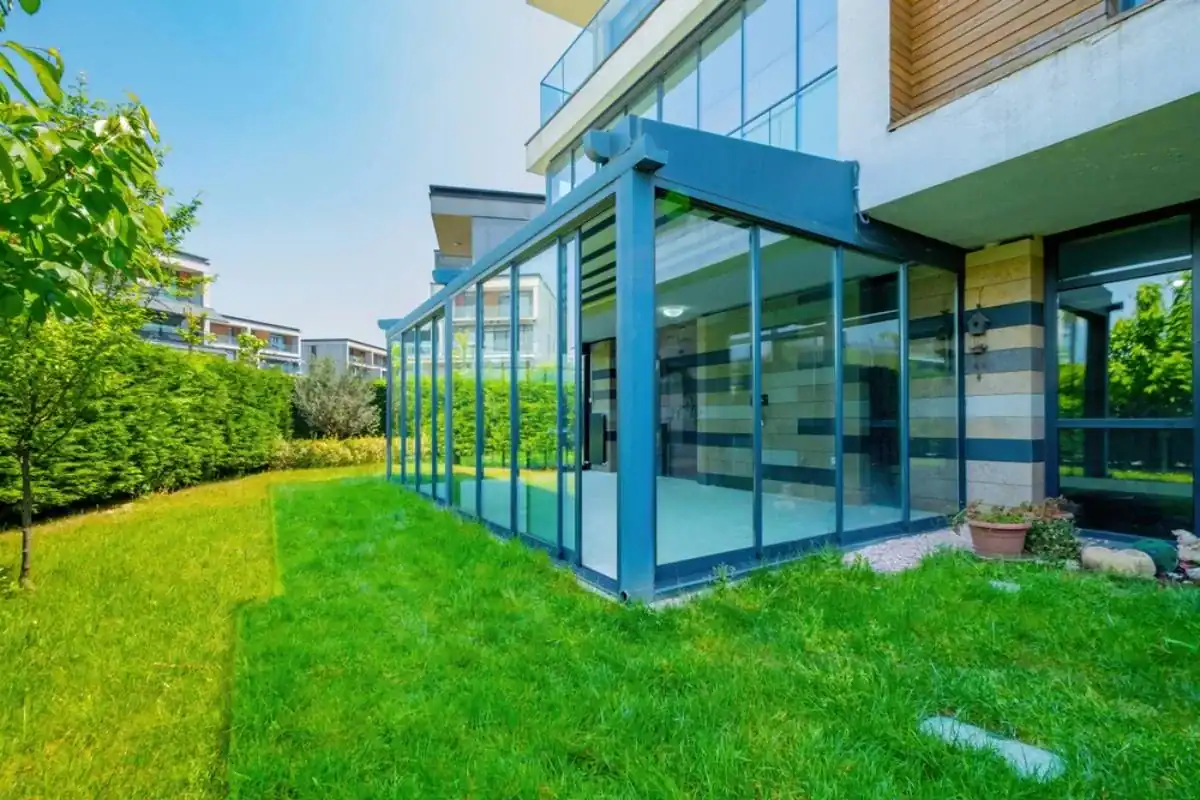
Hear From Our Clients
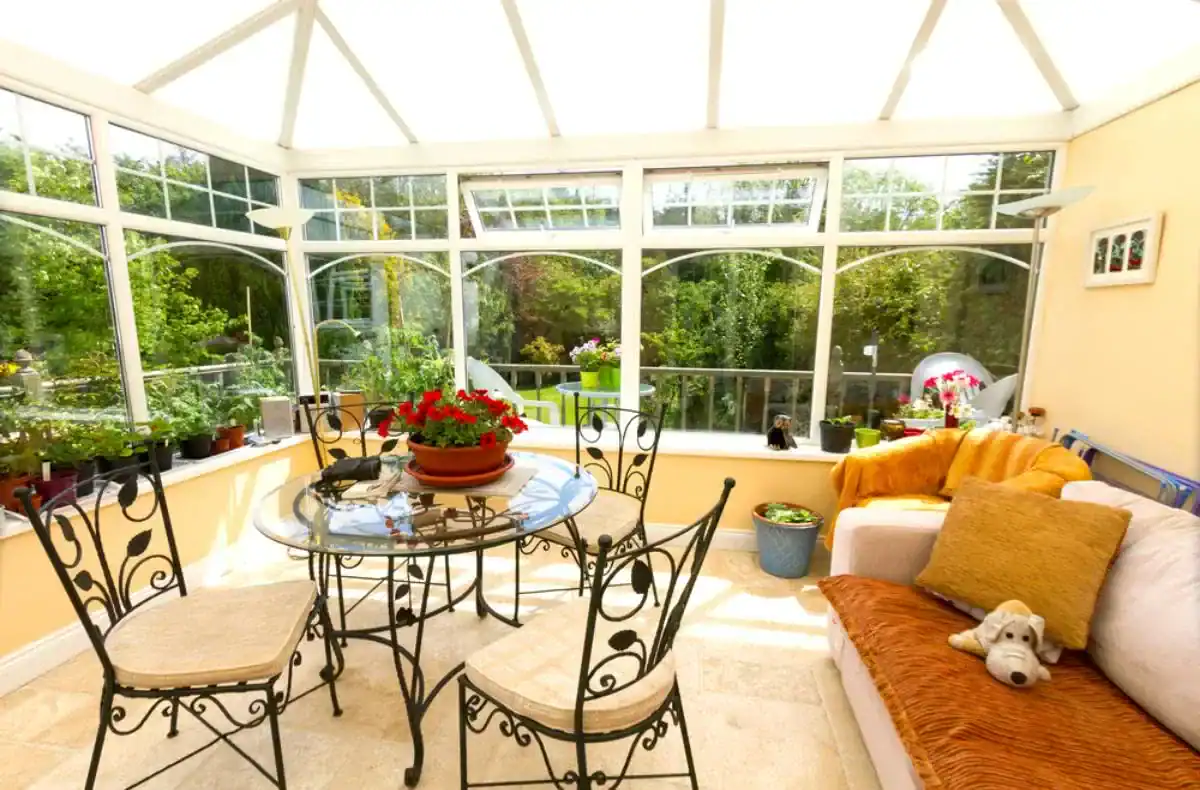
Most glass conservatories in Texas fail because they weren’t designed for this climate. You end up with a beautiful room that’s unbearable from May through September and barely worth heating in January.
A properly built conservatory changes that. You get natural light without the solar oven effect. You enjoy outdoor views without fighting mosquitoes the size of hummingbirds. And you add functional square footage that doesn’t require a second mortgage to cool.
The difference comes down to glass technology, insulation, and ventilation designed specifically for humid subtropical climates. CONSERVAGLASS™ SELECT with low-E coatings blocks heat gain while letting light through. Insulated roof systems prevent the trapped-heat problem that makes traditional glass rooms unusable. And proper HVAC integration means your existing system can handle the load without spiking your electric bill.
You’re not just adding a pretty room. You’re gaining space that works as hard as the rest of your home—breakfast nook, home office, plant room, whatever you need it to be.
We’ve spent nearly 50 years figuring out how to build glass rooms that actually work in climates like Central Southwest Texas. We’re not a general contractor who dabbles in sunrooms. This is what we do.
Our team understands the specific challenges you’re dealing with—the summer heat that makes your backyard unusable for months, the humidity that breeds mold in poorly ventilated spaces, the hailstorms that can shred cheap materials. We’ve built conservatories in Bryan, College Station, Waco, and throughout the region, so we know what holds up and what doesn’t.
Every project gets custom-designed to match your home’s architecture and your family’s actual needs. We handle permitting, installation, and integration with your existing HVAC. And we back everything with a satisfaction guarantee because we’ve been around long enough to know our work needs to last.

We start with a consultation at your home. You show us the space, tell us how you want to use it, and we take measurements. We’ll talk about glass options, roof styles, foundation requirements, and how the conservatory will tie into your existing structure.
Then our design team creates a custom plan. You’ll see exactly what your victorian conservatory or modern garden room will look like, with material specs and a detailed quote. No surprises, no vague estimates.
Once you approve the design, we handle permits and prep work. Our installation crew builds the foundation, frames the structure, installs the glass and roofing system, and integrates everything with your home’s exterior and HVAC. Most projects take two to four weeks depending on size and complexity.
After installation, we walk through everything with you—how to operate windows and doors, how to maintain the glass, what to expect from your new space. You get documentation, warranty information, and a direct line if anything comes up.
The whole process is designed to be straightforward. You’re not managing a construction project. You’re working with a team that’s done this thousands of times.
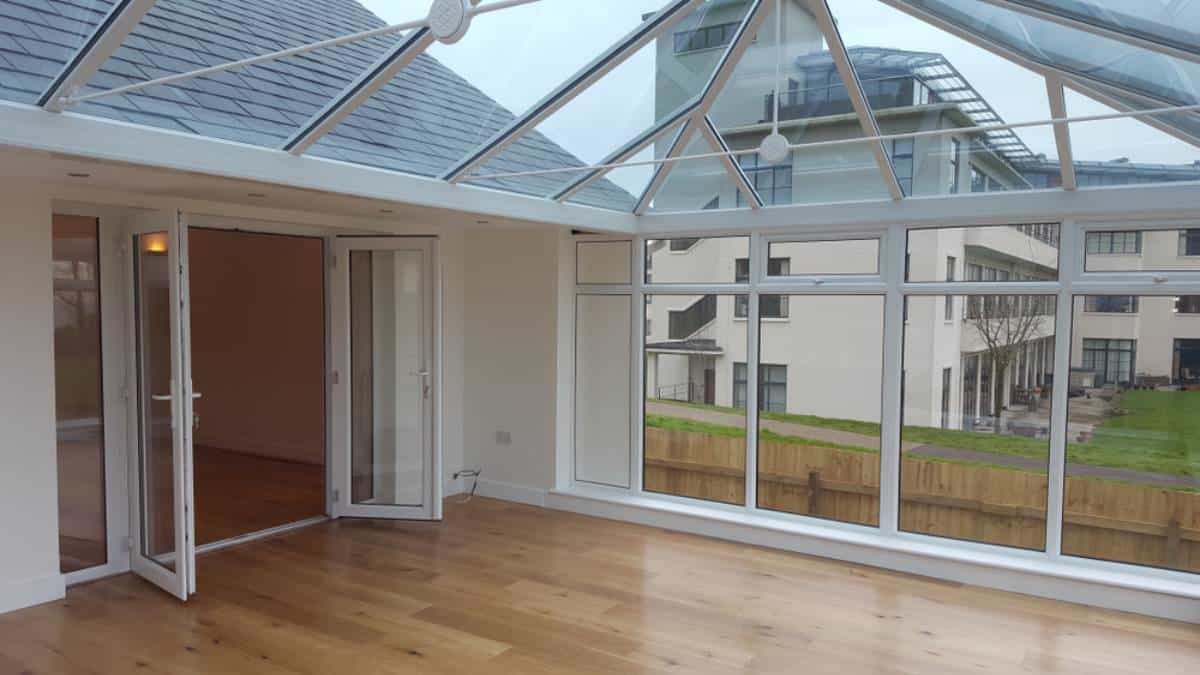
Ready to get started?
Every custom glass room we build in Central Southwest Texas includes high-performance glazing rated for our climate. That means low-E glass with solar control coatings, not standard window glass that turns your conservatory into a solar collector.
You get insulated roof systems with options for solid panels, glass, or a combination. Victorian conservatory designs include ornamental ridge cresting and decorative finials if that’s your style. Modern designs focus on clean lines and maximum glass area. Either way, the structure is engineered to handle wind loads and weather extremes common in this region.
We use aluminum, vinyl, or wood framing depending on your preference and budget. All materials are selected for durability in high-humidity environments—no warping, no rot, no rust. Windows and doors are thermally broken to prevent condensation and energy loss.
Your conservatory gets tied into your existing HVAC system with proper ductwork and zoning controls. We don’t just slap on an addition and hope your air conditioner can keep up. The space is designed to maintain comfortable temperatures without doubling your cooling costs.
Foundation work, flashing, and weatherproofing are all handled to Texas building codes. You’re getting a permanent structure that adds real value to your property, not a glorified screen porch.

Not if it’s built correctly. The problem with most glass rooms in Texas is that they use standard glazing that absorbs and traps heat faster than your AC can remove it. You end up with a space that hits 95+ degrees by noon and stays unusable until sunset.
High-performance glass changes that equation. CONSERVAGLASS™ SELECT blocks up to 95% of UV rays and reflects solar heat before it enters the room. Low-E coatings work like a one-way mirror for infrared radiation—light gets in, heat stays out. Combined with proper insulation and ventilation, you maintain comfortable temperatures even during July and August.
The roof matters just as much as the walls. Solid insulated panels over part of the roof reduce heat gain while still giving you plenty of natural light. Ceiling fans and properly sized HVAC ducts keep air moving. And if you want maximum glass coverage, solar control glazing on the roof panels prevents the greenhouse effect that makes traditional conservatories unbearable.
Most custom glass conservatories in Central Southwest Texas run between $30,000 and $80,000 depending on size, materials, and features. A basic 12×12 garden room with standard glazing and a simple roof starts around $30,000. A larger victorian conservatory with premium glass, ornamental details, and integrated HVAC can reach $80,000 or more.
Size is the biggest cost driver. You’re paying for foundation work, framing, glass, roofing, and HVAC integration per square foot. Glass type matters too—high-performance glazing with solar control coatings costs more than standard insulated glass, but it’s the difference between a room you can use year-round and one that sits empty half the year.
Complexity affects price. A simple rectangular addition with a straight roofline costs less than a multi-faceted victorian design with custom angles and decorative elements. And site conditions matter—if we’re building on a slope or need to extend utilities a long distance, that adds to the project cost.
We offer financing up to $125,000 with competitive rates, so you’re not writing a check for the full amount upfront. And the ROI is solid—quality conservatories in Texas markets typically return 70-85% of their cost in added home value.
The terms get used interchangeably, but there are real differences in design and function. A conservatory typically has more glass area—often 75% or more of the walls and roof are glazed. The style tends toward traditional architecture with pitched roofs, ornamental details, and a focus on bringing the outdoors in. Think victorian garden rooms or modern glass pavilions.
A sunroom usually has less glass and more solid roof coverage. The design is often simpler and more focused on creating a comfortable living space that happens to have great natural light. Sunrooms tend to blend more seamlessly with your home’s existing architecture rather than making a statement as a distinct structure.
Functionally, conservatories work well as plant rooms, breakfast nooks, or spaces where you want maximum light and outdoor views. Sunrooms are better suited as year-round living areas—home offices, family rooms, dining spaces—where you want natural light but not necessarily wall-to-wall glass.
Both can be climate-controlled and built to the same energy efficiency standards. The choice comes down to how you want the space to look and function. We’ll walk you through options during the design consultation so you end up with what actually fits your needs.
Yes, when it’s engineered and built to Texas standards. Central Southwest Texas sees severe weather—hailstorms, high winds, heavy rain—and your conservatory needs to be designed for those conditions, not for mild climates where weather is an afterthought.
We use tempered or laminated glass rated for impact resistance. Tempered glass is four times stronger than standard glass and breaks into small chunks rather than dangerous shards if it does fail. Laminated glass has a plastic interlayer that holds the glass together even when cracked, similar to your car windshield. For areas prone to severe hail, we can spec polycarbonate panels that are virtually indestructible.
The structure itself is engineered for wind loads common in this region. Framing is anchored to your home’s foundation and walls with heavy-duty fasteners. Roof systems are designed to shed water quickly and resist uplift during high winds. All work meets or exceeds Texas building codes for your specific location.
You’re not getting a lightweight garden structure that might blow away in a storm. You’re getting a permanent addition built to the same standards as the rest of your home. And if damage does occur, our warranty and your homeowner’s insurance cover repairs.
Most conservatory projects take two to four weeks from start to finish. A straightforward 10×12 garden room on an existing patio might be done in two weeks. A larger custom victorian conservatory with complex rooflines and extensive site prep can take four weeks or longer.
The timeline breaks down like this: foundation and site prep take three to five days depending on soil conditions and whether we’re pouring a new slab or building on an existing surface. Framing and structural work take another week. Glass installation, roofing, and exterior finishing take another week. Final details—HVAC integration, interior trim, cleanup—take two to three days.
Weather can affect the schedule since we’re working outside. Heavy rain or extreme heat can delay certain phases. And permit approval times vary by jurisdiction—some cities in Central Southwest Texas process permits in a week, others take longer.
We’ll give you a detailed timeline during the design phase and keep you updated throughout the project. You’re not left guessing when your space will be ready. And we coordinate everything—you’re not managing subcontractors or chasing down inspectors. Our crew handles the entire build from foundation to final walkthrough.
Yes, almost certainly. Any permanent structure that adds square footage to your home requires permits in Central Southwest Texas. That includes conservatories, sunrooms, and garden rooms—even if they’re built on an existing patio or deck.
The permit process covers structural engineering, foundation work, electrical and HVAC connections, and final inspections. Requirements vary by city and county, but expect to submit detailed plans showing how the conservatory attaches to your home, how it’s anchored to the foundation, and how utilities are extended into the space.
We handle the entire permit process as part of your project. Our design team prepares the required drawings and engineering documents. We submit everything to your local building department and coordinate inspections during construction. You don’t need to visit city hall or deal with code officials—that’s on us.
Permit costs typically run $500 to $1,500 depending on project size and jurisdiction. That’s separate from the construction cost but included in your total project quote. And yes, it’s worth doing it right—unpermitted additions can cause problems when you sell your home or file an insurance claim. We make sure everything is documented and approved before we start building.
Other Services we provide in Central Southwest