

Transform your Long Island home with our custom sunrooms, liferooms, pergolas, and more! Quality Designs That Improve Your Space And Lifestyle.
Contact Info
Transform your Long Island home with our custom sunrooms, liferooms, pergolas, and more! Quality Designs That Improve Your Space And Lifestyle.
Contact Info
Hear From Our Clients
You already know the problem. Houston heat makes your patio unbearable from noon until sunset, and sudden storms mean you’re either stuck inside or constantly adjusting umbrellas and covers. Your outdoor furniture sits there looking nice, but you’re not actually out there enjoying it.
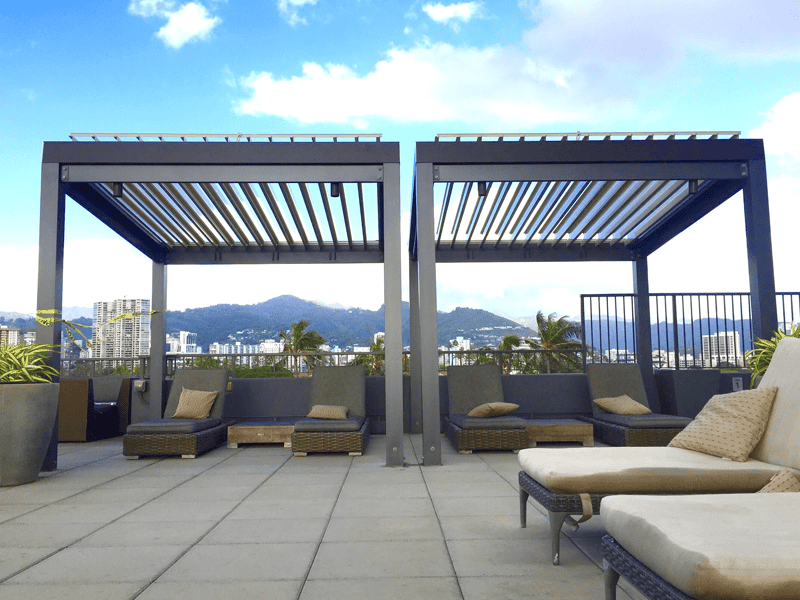
A smart outdoor shading system changes that. Motorized louvers adjust in real time to block the sun when it’s overhead and open up when you want airflow. Rain sensors close the roof automatically before the first drops hit your furniture. You’re not babysitting your backyard anymore.
The result is simple: you use your outdoor space more. Family dinners happen outside. Weekend mornings with coffee become a routine instead of a maybe. Your backyard stops being decorative and starts being functional, which is the whole point of having one in Cloverleaf.
Four Seasons Sunrooms isn’t new to outdoor living spaces. We’ve spent decades designing and installing custom sunrooms, pergolas, and covered patios for homeowners who want more from their property. We’re family-owned, and we’re not trying to upsell you on features you don’t need.
Cloverleaf homeowners deal with specific challenges: extreme heat, unpredictable storms, and humidity that makes even shade feel oppressive. We build for that. Every automated retractable pergola we install is designed with Houston’s climate in mind, using materials that hold up to sun exposure, heavy rain, and the occasional hurricane-force wind.
You’ll work with people who understand what you’re dealing with because we live here too. We know what works and what doesn’t when it comes to outdoor structures in this area.

First, we come to your property and take measurements. We’re looking at sun angles, existing structures, drainage, and how you actually use your outdoor space. This isn’t a one-size-fits-all product, so we need to understand your specific setup.
Next, we design the system. You’ll see exactly what the pergola will look like, where the motorized components go, and how the controls work. We’ll talk through louver angles, roof coverage, and whether you want wall-mounted controls, remote access, or smart home integration. You make the final call on everything.
Installation typically takes a few days depending on size and complexity. We handle permits, electrical work for the motors, and structural anchoring. Once it’s up, we walk you through the controls and make sure the weather sensors are calibrated correctly. Then it’s yours to use.
The motors are quiet and the system requires minimal maintenance. Louvers are powder-coated aluminum, so they don’t rust or fade. If something ever needs adjustment, we’re local and we’ll come out.
Ready to get started?
The core of the system is the motorized louver roof. Each slat rotates independently to control sunlight and airflow. When they’re closed, the roof is watertight. When they’re open, you get ventilation without full sun exposure. The angle adjusts based on time of day or your preference.
Weather sensors are standard. Rain sensors close the louvers automatically when moisture is detected. Wind sensors can retract the system during high winds to prevent damage. You’re not constantly monitoring the weather app or rushing outside when conditions change.
Control options include remote control, wall-mounted switches, or integration with smart home systems. If you’re already using Alexa or Google Home, the pergola can tie into that setup. If not, a simple remote works just fine.
In Cloverleaf, where summer temperatures regularly push into the high 90s and heat indices exceed 100 degrees, the ability to create adjustable shade makes the difference between using your patio and avoiding it. The system is built to handle Houston’s humidity, sudden temperature swings, and the occasional severe storm that rolls through without warning.

The structure is engineered for wind loads that exceed typical storm conditions in the Houston area. The aluminum frame is anchored into your existing patio or foundation with heavy-duty brackets, and the motorized louvers lock into place when closed to create a solid roof surface.
During high winds, the system can be retracted to an open position to allow wind to pass through, reducing stress on the structure. If you have wind sensors installed, this happens automatically. The powder-coated aluminum doesn’t corrode from rain exposure, and the motors are sealed against moisture.
We’ve installed these systems throughout the greater Houston area, including Cloverleaf, where severe weather is a regular concern. The pergolas are designed to meet or exceed local building codes for wind resistance. That said, if a hurricane is forecast, we recommend retracting the louvers to the open position as a precaution, which takes about 30 seconds with the remote.
A fixed patio cover gives you one setting: covered. You get shade and rain protection, but no airflow control and no ability to let sunlight in when you want it. On cooler days or during spring and fall, a fixed cover can make your patio feel dark and closed off.
An automated retractable pergola adjusts. You can open the louvers partially for filtered sunlight, close them completely for full shade or rain protection, or set them at an angle to block the afternoon sun while still allowing a breeze. The flexibility means you’re not locked into one configuration regardless of weather or time of year.
The motorized component also means you’re not manually adjusting anything. If you’re hosting a dinner outside and the sun shifts, you press a button and the shade adjusts. If rain starts, the sensors close the roof before your guests or furniture get wet. It’s the difference between a static structure and a responsive one.
Yes, most motorized pergola systems can integrate with common smart home platforms including Alexa, Google Home, and Apple HomeKit. The level of integration depends on the specific motor system we install, but basic voice control and app-based operation are standard options.
If you already have outdoor lighting, fans, or other automated features on your patio, the pergola can be added to the same control ecosystem. You can create scenes or routines, like “close the pergola and turn on the patio lights” with a single command.
If you’re not interested in smart home integration, the system works perfectly fine with a dedicated remote control or wall switch. We don’t push the smart features if they’re not useful to you. The goal is to make the pergola easy to operate however you prefer, whether that’s through your phone or a simple button on the wall.
Very little. The aluminum louvers don’t need painting or sealing, and the powder-coated finish resists fading from sun exposure. You’ll want to rinse off the louvers occasionally if pollen or dust builds up, but that’s about it for the structure itself.
The motors are sealed units designed for outdoor use. They don’t require lubrication or regular servicing under normal conditions. If you notice any unusual sounds or the louvers aren’t moving smoothly, that’s when you’d call us to take a look, but it’s not a routine maintenance item.
Weather sensors should be checked once a year to make sure they’re still calibrated correctly. We can do that during a service visit, or you can test them yourself by triggering the rain sensor with a spray of water to confirm the louvers close. It’s a simple system by design, which keeps ongoing maintenance minimal.
If your patio is adjacent to your home and the pergola shades windows or exterior walls, yes, you’ll likely see a reduction in cooling costs during summer months. Blocking direct sunlight before it hits your house reduces heat gain, which means your AC doesn’t work as hard.
The impact depends on your home’s orientation and how much of your exterior wall the pergola shades. South and west-facing patios see the biggest benefit because that’s where afternoon sun hits hardest. Even if the pergola doesn’t directly shade your house, it creates a cooler outdoor zone, which can reduce the temperature differential between inside and outside.
In Cloverleaf, where summer cooling costs can spike significantly, any reduction in heat load helps. We can’t give you an exact dollar amount without seeing your property, but homeowners with similar setups in the Houston area typically report noticeable differences in how hard their AC runs during peak afternoon hours.
Most installations take two to four days depending on the size of the pergola and site conditions. We need to anchor the structure securely, run electrical for the motors, install the louver system, and set up the controls and sensors. If we’re working around existing landscaping or structures, that can add time.
Before we start, we handle all necessary permits and make sure the design meets local building codes for Cloverleaf and Harris County. You won’t need to coordinate that yourself. We also verify that your electrical system can handle the motor load, though the power requirements are minimal.
During installation, there will be some noise from drilling and construction, but we work efficiently and clean up at the end of each day. Once the structure is up and the motors are installed, we test everything to make sure the louvers operate smoothly and the sensors respond correctly. You’ll get a walkthrough of all the controls before we consider the job complete.
Other Services we provide in Cloverleaf