

Transform your Long Island home with our custom sunrooms, liferooms, pergolas, and more! Quality Designs That Improve Your Space And Lifestyle.
Contact Info
Transform your Long Island home with our custom sunrooms, liferooms, pergolas, and more! Quality Designs That Improve Your Space And Lifestyle.
Contact Info
Hear From Our Clients
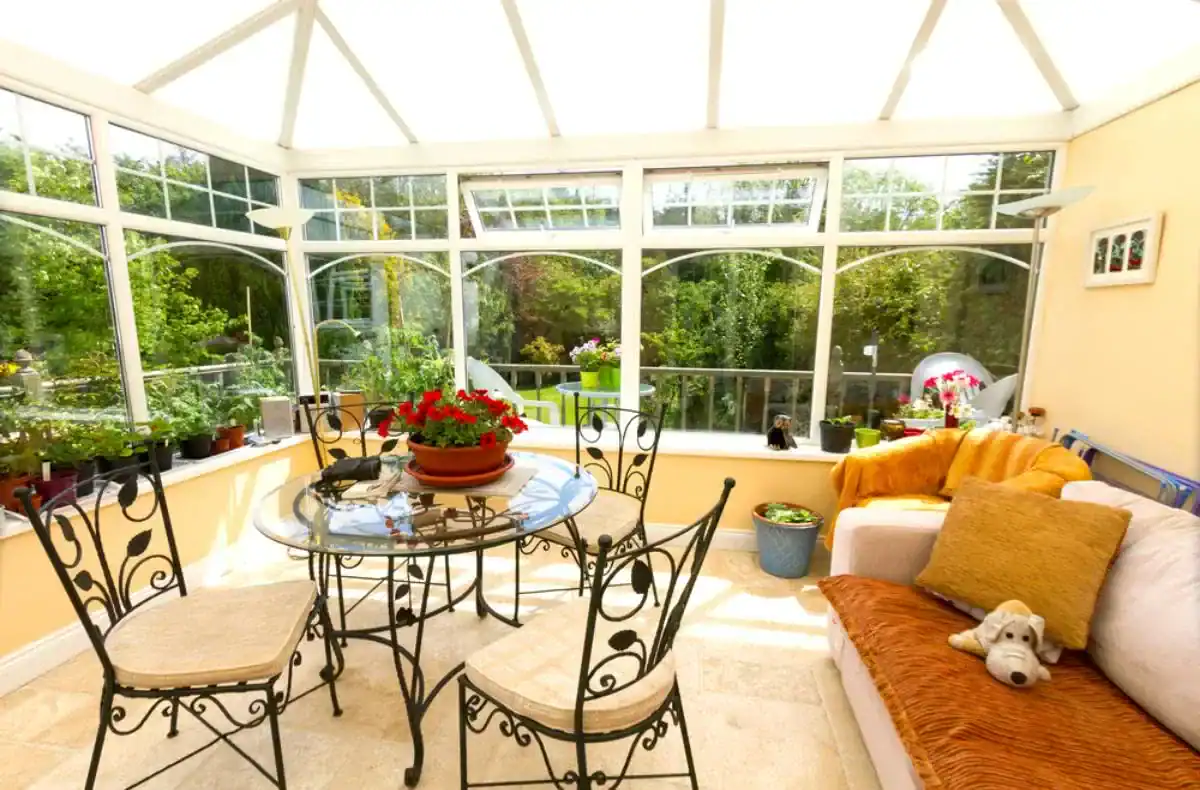
Here’s what most people don’t realize until it’s too late: a standard sunroom in Baytown is unusable during the hottest and coldest months. You’re looking at temperatures pushing 105°F in summer and dipping to freezing in winter. Without proper insulation, climate control, and energy efficient glass, you’ve just added an expensive greenhouse that sits empty most of the year.
A true four season room changes that completely. You get a space that stays comfortable when it’s sweltering outside and cozy when the temperature drops. That means you can actually use it as a home office during summer afternoons, a place for morning coffee in January, or a spot where the kids can play regardless of what’s happening outside.
The difference comes down to how the room is built. Insulated sunroom construction, proper HVAC integration, and glass designed to handle Texas heat make it possible to enjoy natural light and outdoor views without turning your addition into a liability. You’re not fighting the climate anymore.
We’ve been doing this since the 1970s. We’re not new to the challenges that come with building in Southeast Texas, and we’re not experimenting with your home.
Our team in the Houston area knows what Baytown homeowners deal with: humidity that never quits, summer heat that makes your backyard unusable, and the occasional freeze that reminds you winter exists here too. We’ve built hundreds of sunrooms across Harris County, and we understand what works and what doesn’t when you’re adding livable space in this climate.
You’re working with people who live here, who’ve seen what happens when corners get cut, and who know that your investment needs to perform year-round. We handle everything from design to installation, and we back our work with real warranties.

First, we come to your home and talk through what you actually need. Not what sounds nice in a brochure, but what makes sense for your property, your budget, and how you’ll use the space. We look at sun exposure, existing HVAC capacity, and how the addition connects to your home’s structure.
Then we design the room. You’ll see exactly what it looks like, what materials we’re using, and how we’re handling climate control. This is where we talk about insulation values, glass options, and whether you need supplemental heating and cooling or if your current system can handle the load.
Installation typically takes a few weeks depending on size and complexity. We’re not the fastest, but we don’t rush structural work or cut corners on weatherproofing. You’ll know the timeline upfront, and we keep you updated when anything changes.
After it’s built, we walk you through everything: how to maintain the glass, what to expect seasonally, and how to get the most out of your new space. Then you’ve got a room that actually works the way you need it to.

Ready to get started?
The biggest factor is insulation. We’re talking about insulated roof systems, thermal wall panels, and proper sealing at every connection point. Without that, you’re building an oven for summer and an icebox for winter.
Glass matters more than most people think. Energy efficient glass with low-E coatings and proper tinting keeps heat out during Baytown’s brutal summers while still letting in natural light. Standard glass turns your sunroom into a greenhouse by July. The right glass keeps it comfortable.
Climate control is non-negotiable if you want true four season functionality. That means either extending your existing HVAC system or adding dedicated heating and cooling. Some builders skip this conversation to keep the initial price low, then you’re stuck with a room you can’t use half the year.
We also look at ventilation, because even with AC, you need air movement in a glass room. Ceiling fans, operable windows, and proper airflow design keep the space from feeling stuffy or stagnant. And in Baytown’s humidity, that’s not optional.
The structure itself has to handle weather. We’re talking about wind loads, water drainage, and materials that won’t deteriorate in high humidity. Cheap vinyl warps. Low-grade aluminum corrodes. We use materials rated for coastal climates because that’s what performs here long-term.

Most insulated sunroom projects in the Baytown area run between $25,000 and $80,000 depending on size, materials, and how much climate control work is involved. A basic 12×14 four season room with standard finishes and HVAC extension typically starts around $30,000 to $40,000.
The price goes up when you’re adding dedicated heating and cooling systems, upgrading to premium energy efficient glass, or building larger spaces. Custom features like vaulted ceilings, specialty finishes, or complex rooflines also add cost. If your existing HVAC system can’t handle the additional square footage, you’re looking at supplemental equipment, which can add $3,000 to $8,000.
What drives cost more than anything is whether you want a room that’s truly usable year-round or just a three-season space. Cutting corners on insulation or glass might save you $5,000 upfront, but you’ll end up with a room that sits empty from June through September. That’s not a good investment. We’d rather give you realistic numbers from the start than surprise you later or deliver something that doesn’t work.
Yes, but only if it’s designed and built correctly from the start. Standard solariums and three-season rooms absolutely cannot stay comfortable during a Baytown summer. You’re fighting 95°F to 105°F temperatures, direct sun exposure, and humidity that makes everything worse.
The solution is a combination of proper insulation, energy efficient glass with low-E coatings, and adequate cooling capacity. Your glass needs to reject heat while still allowing light in. Your roof and walls need insulation values similar to your home’s exterior walls. And you need either extended HVAC or a dedicated mini-split system sized correctly for the space.
We also design for sun angles. South and west-facing glass gets the worst heat load, so we plan for shading options, tinting, or strategic placement of windows. Ceiling fans help with air circulation, but they’re not a substitute for actual cooling. Some builders will tell you fans are enough—they’re not, not in Texas.
Without this approach, your sunroom will hit 110°F or higher by mid-afternoon in July. With it, you can keep the space at 72°F comfortably. That’s the difference between a room you use and one you avoid for a third of the year.
A three-season sunroom has minimal insulation, basic glass, and no real climate control. It’s comfortable in spring and fall, too hot in summer, and too cold in winter. In Baytown, that means you can use it maybe five months out of the year if you’re lucky.
A four season room is built like an actual addition to your home. It has insulated walls and roof, energy efficient glass designed to handle temperature extremes, and integrated heating and cooling. You can use it every month of the year without discomfort.
The construction is fundamentally different. Three-season rooms often use single-pane glass or minimal thermal breaks in the framing. Four-season rooms use insulated glass, thermal barriers in all the framing members, and weatherproofing that matches your home’s exterior walls. The roof system is insulated and ventilated properly.
For Baytown’s climate, a three-season room is honestly a waste of money. You’re spending $15,000 to $25,000 on space you won’t use during the hottest months when you’d most want to escape the outdoor heat. A year round sunroom costs more upfront, but you’re getting 12 months of functionality instead of five. That’s a better return on your investment.
It depends on your current system’s capacity and the size of the sunroom you’re adding. If you’re building a 200-square-foot insulated sunroom and your HVAC system is relatively new with extra capacity, you can often extend the existing ductwork without issues.
But if your system is already running at full capacity, older than 10 years, or you’re adding a larger space, you’ll likely need supplemental climate control. A dedicated mini-split system is usually the most cost-effective solution. These run $2,500 to $5,000 installed and give you independent temperature control for the sunroom without overworking your main system.
We evaluate this during the design phase by looking at your current system’s tonnage, the age and condition of your equipment, and how much conditioned space you’re adding. It’s better to know upfront than to build the room, realize your AC can’t keep up during August, and then have to add equipment after the fact.
Some builders won’t mention this because it adds cost to the project. But if you don’t address it properly, you’ll end up with a room that’s uncomfortable during the times you most want to use it. We’d rather have that conversation early and design the right solution from the beginning.
Most all season sunroom installations take three to six weeks from the day we start construction to the day you can use the space. Smaller rooms on the simpler end might be done in three weeks. Larger custom projects with complex rooflines or extensive HVAC work can push closer to eight weeks.
The timeline depends on several factors: the size of the room, whether we’re building on an existing patio or pouring a new foundation, how much electrical and HVAC work is involved, and weather delays. We’re in Southeast Texas, so summer afternoon storms can set us back a day here and there.
Permitting in Baytown typically takes one to two weeks before we can start. We handle all of that, but it’s part of the overall timeline you should plan for. Once permits are approved and materials are on site, the actual construction moves steadily.
We give you a detailed schedule before work starts, and we update you if anything changes. Most delays come from weather or unexpected issues when we open up walls for HVAC connections. We don’t rush structural work or weatherproofing because those are the things that matter five and ten years from now. You want it done right more than you want it done fast.
A quality four season room typically adds 50% to 80% of its cost back to your home’s value, and it makes your property more attractive to buyers when you eventually sell. In the Baytown area, where outdoor space is limited by heat and humidity much of the year, a climate-controlled sunroom is a genuine selling point.
The return depends on how well the room is built and how functional it actually is. A true year round sunroom with proper insulation, climate control, and quality materials will appraise better than a basic three-season structure that’s only usable part of the year. Appraisers and buyers recognize the difference.
Beyond resale value, there’s the practical value of having usable square footage that you actually enjoy. If you’re planning to stay in your home for several years, the return on investment isn’t just financial. It’s having a home office that doesn’t feel like a cave, a place where your family actually spends time, or a space that lets you enjoy your property even when it’s 100°F outside.
The worst ROI comes from cheap construction that fails early or rooms that don’t get used because they’re uncomfortable. That’s why we focus on building rooms that perform well long-term rather than hitting the lowest possible price point. You want an addition that adds value, not a problem you have to explain to future buyers.
Other Services we provide in Baytown