
Transform your Long Island home with our custom sunrooms, liferooms, pergolas, and more! Quality Designs That Improve Your Space And Lifestyle.
Contact Info
Transform your Long Island home with our custom sunrooms, liferooms, pergolas, and more! Quality Designs That Improve Your Space And Lifestyle.
Contact Info
Hear From Our Clients
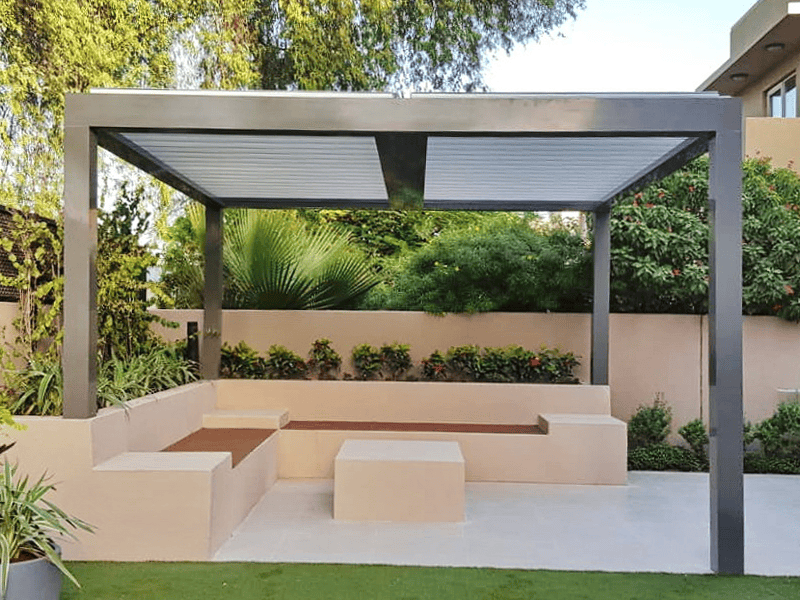
You’re not looking for just another backyard structure. You want outdoor space that actually gets used—not something that sits empty because it’s too hot, too exposed, or requires constant upkeep.
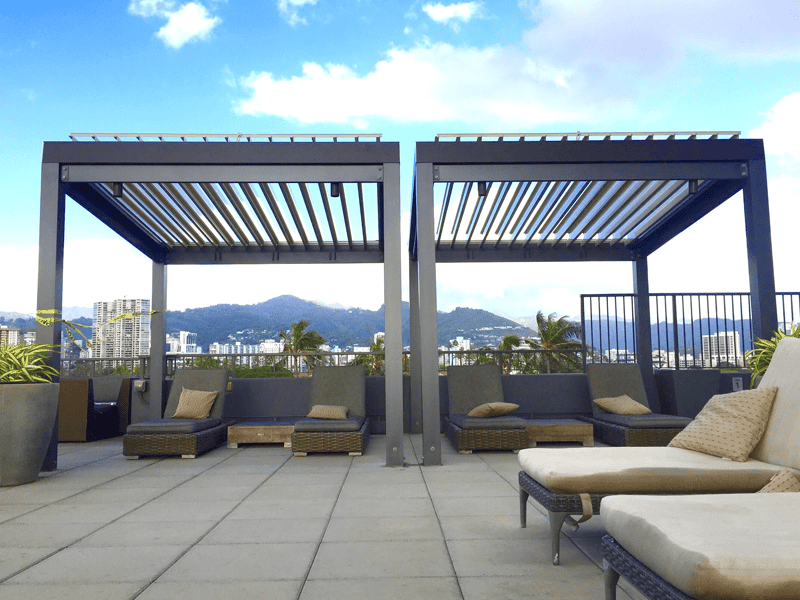
A well-designed pergola gives you control. Shade when you need it. Airflow that makes summer evenings tolerable. Rain protection that doesn’t turn your patio into a pond. And if you go with a louvered system, you adjust everything with a button—no climbing ladders or wrestling with tarps.
The right setup can extend your outdoor season by months. It creates a spot where you’ll actually want to spend time, whether that’s morning coffee, weekend dinners, or just a place to sit that isn’t blasted by direct sun. And because modern materials are built for Houston’s climate, you’re not repainting, re-staining, or replacing boards every few years.
This isn’t about curb appeal alone. It’s about getting real use out of your backyard without adding another item to your maintenance list.
We’ve been designing and installing custom outdoor living spaces since the mid-1970s. We’re not new to Houston’s weather, and we’re not learning on your property.
Our team handles everything—design, permitting, installation, and follow-up. We know what works in Piney Point Village because we’ve built here before. We understand HOA requirements, drainage issues, and what materials hold up when you’re dealing with Gulf Coast humidity and summer storms.
You’re working with people who’ve seen what fails and what doesn’t. That experience shows up in how we build, what we recommend, and how long your structure actually lasts.

We start with a free in-home consultation. You show us the space, tell us how you want to use it, and we talk through what’s realistic given your property, budget, and timeline. No pressure, no generic pitch—just a real conversation about what works.
From there, we create a design that fits your home’s architecture and your outdoor goals. We handle the permits and HOA paperwork, which in Piney Point Village can be its own process. Once approvals are in place, we schedule installation around your life, not ours.
The build itself is straightforward. We prep the site, set the foundation, and construct the pergola using materials chosen specifically for durability in this climate. Our crew keeps the workspace clean and communicates clearly if anything changes. When we’re done, you get a final walkthrough and all warranty documentation.
You’re not left guessing what happens next. Every step has a timeline, and if something shifts, you’ll know before it becomes a problem.

Ready to get started?
Every pergola we install is custom-designed for your property. That means the size, style, and features are based on how you’ll actually use the space—not a one-size-fits-all catalog option.
You can choose between attached pergolas that extend your home’s roofline or freestanding structures that create a separate outdoor room. Materials range from traditional wood pergolas to low-maintenance aluminum with finishes that mimic natural wood grain. If you want modern pergola design with motorized louvers, we can integrate that too—giving you app or voice control over shade and ventilation.
In Piney Point Village, drainage matters. We account for Houston’s heavy rain and clay soil by ensuring proper grading and runoff management. Your pergola won’t create standing water or foundation issues down the line.
We also coordinate with your landscaping, existing hardscaping, and any future plans you have for outdoor kitchens or seating areas. The goal is a cohesive backyard that works as a whole, not a structure that feels tacked on. And because we handle permitting and HOA compliance, you’re not stuck navigating that process alone.

Houston’s climate is tough on outdoor structures. You’re dealing with intense UV exposure, high humidity, frequent rain, and occasional severe weather. That rules out a lot of materials that work fine in drier or milder climates.
Aluminum pergolas with powder-coated finishes hold up better than wood in humid conditions. They don’t rot, warp, or require annual maintenance like staining or sealing. If you prefer the look of wood, there are composite and vinyl options that mimic wood grain without the upkeep. Traditional wood pergolas can work, but they need regular maintenance to prevent moisture damage and insect issues.
Louvered pergolas give you the most flexibility. You can adjust the slats to control sun exposure, increase airflow, or close them completely when rain hits. That adaptability matters when the weather can shift from blazing sun to thunderstorm in an hour. For backyard shade that actually makes a difference during summer, a louvered system is hard to beat.
Cost depends on size, materials, features, and site conditions. A basic freestanding wood pergola might start around $8,000 to $12,000. An attached pergola with premium materials and integrated lighting or fans can run $15,000 to $25,000. Motorized louvered systems with smart controls typically range from $20,000 to $40,000 or more, depending on square footage and customization.
Piney Point Village properties often require additional considerations—HOA approvals, specific design standards, and sometimes more complex site prep due to landscaping or existing structures. Those factors can affect the final price, but they’re necessary to ensure the pergola fits your property correctly and meets local requirements.
We provide a detailed, upfront estimate during the consultation so there are no surprises. That estimate includes materials, labor, permits, and any site-specific work needed. We also offer financing up to $125,000 if you want to spread the cost over time. The goal is to give you a clear picture of what you’re investing in before any work starts.
Yes, most pergola installations in Piney Point Village require a permit, especially if the structure is attached to your home or exceeds certain size thresholds. The village has specific building codes, and if you’re in a neighborhood with an HOA, you’ll need their approval as well.
The permit process involves submitting design plans, site surveys, and sometimes engineering documents to ensure the structure meets wind load and safety requirements. HOAs typically review aesthetics, placement, and how the pergola fits with neighborhood standards. This can take a few weeks, depending on how quickly approvals move.
We handle the permit and HOA paperwork as part of our service. That means you’re not stuck figuring out what forms to file or waiting on responses you don’t understand. We know what the village and most local HOAs require, and we submit everything correctly the first time. It’s one less thing on your plate, and it keeps the project moving without unnecessary delays.
Once permits are approved and materials are on-site, most pergola installations take one to three days, depending on size and complexity. A simple freestanding structure might be done in a day. An attached pergola with electrical work for lighting and fans, or a motorized louvered system, can take two to three days.
The timeline before installation starts depends on design approval, permitting, and HOA review. In Piney Point Village, that process can take two to six weeks. We keep you updated throughout so you know where things stand.
Weather can also affect scheduling. If heavy rain is forecasted, we’ll adjust the installation date rather than rush through a job in poor conditions. The goal is to build it right, not fast. Once we start, though, the work moves efficiently. Our crew shows up on time, keeps the site organized, and finishes each phase before moving to the next.
Outdoor living structures generally add value, especially in markets like Piney Point Village where homes are already high-end and buyers expect well-designed outdoor spaces. Industry data suggests pergolas can increase property value by up to 5%, with ROI typically ranging from 50% to 80%.
The actual impact depends on quality, design, and how well the pergola integrates with the rest of your property. A thoughtfully designed structure that expands usable living space and complements your home’s architecture will appeal more to buyers than something that looks like an afterthought.
In this area, outdoor amenities matter. Buyers expect functional, attractive backyards, and a well-built pergola signals that the property has been maintained and upgraded. It also extends the living space without the cost and complexity of a full room addition. Even if resale isn’t your immediate concern, the added enjoyment and usability you get from the space makes it a worthwhile investment.
A pergola has an open or semi-open roof structure, usually with beams and slats that allow some sunlight and airflow through. It provides partial shade and creates a defined outdoor space without fully enclosing it. Pergolas work well when you want a lighter, more open feel and don’t need complete weather protection.
A patio cover has a solid roof that blocks rain and sun entirely. It offers full overhead protection, making it better for areas where you want guaranteed shelter from the elements. Patio covers are more enclosed and can feel heavier visually, but they give you usable space even during rain.
If you want flexibility, louvered pergolas bridge the gap. You can adjust the slats to let in light and air or close them for full coverage when weather hits. That gives you the open feel of a traditional pergola with the protection of a patio cover when you need it. The right choice depends on how you plan to use the space and how much weather protection matters to you.
Other Services we provide in Piney Point Village