
Transform your Houston home with our custom sunrooms, liferooms, pergolas, and more! Quality Designs That Improve Your Space And Lifestyle.
Contact Info
Transform your Houston home with our custom sunrooms, liferooms, pergolas, and more! Quality Designs That Improve Your Space And Lifestyle.
Contact Info
Hear From Our Clients
You’re not looking for decoration. You need functional outdoor space that doesn’t turn into a sauna by 10 a.m. or require weekend maintenance every month.
A well-designed pergola changes how you use your backyard. It creates shade where you actually need it. It protects your patio furniture from relentless UV damage. It gives you a place to sit outside in July without feeling like you’re melting into the concrete.
The right structure also adds real value to your home—outdoor living improvements return 80% or more when you sell. But more immediately, it gives you back the outdoor space you’re currently avoiding because it’s too hot, too exposed, or too uncomfortable to enjoy.
We’ve been designing and installing custom outdoor living spaces since the 1970s. We’re a family-owned business that understands what works in Gulf Coast climates—and what doesn’t.
Nassau Bay sits halfway between Houston and Galveston, which means you get humidity from the bay, heat from the concrete, and weather that swings from brutal sun to sudden storms. Your pergola needs to handle all of it. We’ve spent decades figuring out which materials, designs, and installation methods actually last here.
We’re fully licensed and insured. We offer financing up to $125,000. And we don’t disappear after installation—we’re local, and we stand behind our work.

We start with a consultation at your home. You show us the space, we talk about how you want to use it, and we assess sun patterns, wind exposure, and any drainage or foundation concerns.
Then we design a pergola that fits your yard and your goals. You’ll see renderings and material options—aluminum, wood, louvered systems, attached or freestanding designs. We walk through what makes sense for your budget and your climate.
Once you approve the design, we handle permits and scheduling. Most pergola installations in Nassau Bay take one to two days on your existing foundation. We don’t drag projects out. Our crews show up on time, install the structure correctly, and clean up when they’re done.
After installation, you get a walkthrough to make sure everything works the way it should. If you chose a louvered or motorized system, we’ll show you how to operate it. Then it’s yours to enjoy.

Ready to get started?
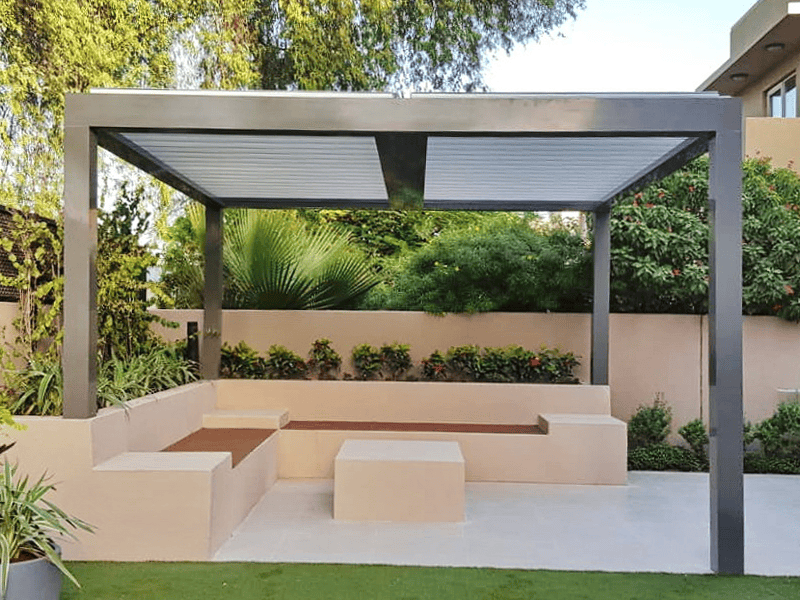
Aluminum pergolas are the most popular choice in Nassau Bay for good reason. They don’t rust, warp, or rot in humidity. They handle high heat without cracking. And they require almost zero maintenance—no staining, no sealing, no seasonal upkeep.
Wood pergolas offer a classic look, but they need the right treatment to survive Texas summers. We use UV-resistant sealants and recommend lighter stains that don’t absorb as much heat. If you want the aesthetic of wood, we’ll make sure it’s protected properly from day one.
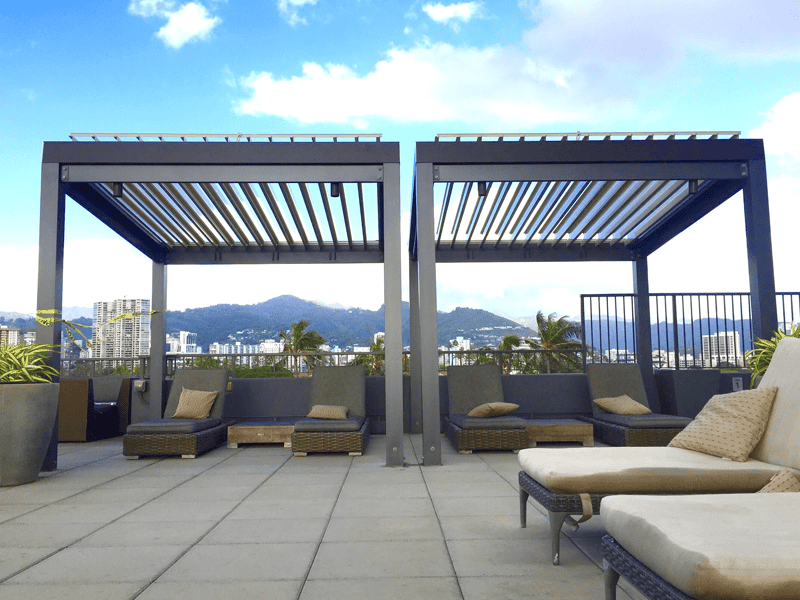
Louvered and motorized systems give you control over shade and airflow. Adjust the slats with a remote or app to block sun during peak heat, then open them up in the evening. Some models include weather sensors that automatically close when it rains. It’s a smart upgrade if you want flexibility without manual adjustments.
We also offer attached pergolas that extend from your home, creating a seamless transition from indoors to outdoors. These work especially well over patios or decks where you want integrated shade and a finished look.

Aluminum pergolas are the most durable option for Gulf Coast weather. They don’t absorb moisture, so you won’t deal with warping, cracking, or mold. They also reflect heat better than darker materials, which keeps the structure cooler.
Wood can work if it’s properly sealed with UV-resistant coatings and maintained every one to two years. But most Nassau Bay homeowners choose aluminum because it eliminates that ongoing maintenance. You install it and forget about it.
If you want the look of wood without the upkeep, some aluminum pergolas come with embossed wood grain textures. You get the aesthetic without the vulnerability to Texas sun and humidity.
A standard pergola with open slats provides partial shade—usually enough to drop the temperature by 10 to 15 degrees compared to full sun. That’s helpful, but it’s not always enough when the UV index hits 10 and your patio is radiating heat.
Louvered pergolas give you adjustable shade. You can angle the slats to block direct sun during the hottest part of the day, then open them up when you want more light or airflow. This makes a noticeable difference in usability.
You can also add retractable canopies, shade cloths, or climbing plants to increase coverage. The key is designing the pergola with your sun exposure in mind—we assess where the sun hits your yard at different times of day and position the structure accordingly.
Yes, if it’s engineered and installed correctly. Hurricane-rated pergolas are designed to meet wind load standards for coastal areas. They use reinforced posts, deeper footings, and secure anchoring systems that keep the structure stable during storms.
Aluminum pergolas tend to perform better in high winds than wood because they’re lighter and more flexible. They can handle gusts without the same risk of cracking or structural failure.
Proper installation is just as important as the materials. We anchor pergolas to your foundation with commercial-grade fasteners and ensure the structure is level and braced correctly. A well-installed pergola in Nassau Bay should last through tropical storms and heavy Gulf winds without damage.
Most pergola installations take one to two days once we’re on-site. That assumes you already have a foundation—concrete patio, deck, or prepared ground with footings.
If you need foundation work, that adds time. We’ll pour footings and let them cure before installing the pergola structure. Depending on the size and complexity, that can add a few days to the timeline.
Permitting in Nassau Bay is usually straightforward, but it can take a week or two to get approvals depending on the season. We handle that process for you. Once permits are in hand and materials are ready, the actual installation moves quickly.
Aluminum pergolas are as close to maintenance-free as you’ll get. Rinse them off once or twice a year to remove pollen or dust. That’s it. No staining, no sealing, no repairs.
Wood pergolas require more attention. You’ll need to reapply UV-resistant sealant or stain every one to two years to prevent sun damage and cracking. Inspect for loose boards or hardware annually, especially after storms.
Louvered and motorized systems should be checked periodically to make sure the moving parts operate smoothly. Most manufacturers recommend an annual inspection, but these systems are built to last with minimal intervention.
The bottom line: if you don’t want to think about upkeep, go with aluminum. If you love the look of wood and don’t mind occasional maintenance, it’s a viable option—just plan for it.
Aluminum pergolas typically cost more upfront than wood—usually 20% to 40% higher depending on the design and features. But they last longer and require almost no maintenance, which saves money over time.
Wood pergolas have a lower initial cost, but you’ll spend more on sealants, stains, and potential repairs over the years. If you keep a wood pergola for 10 to 15 years, the total cost often evens out with aluminum once you factor in upkeep.
Louvered and motorized systems add to the price regardless of material. Expect to pay more for adjustable slats, weather sensors, and app controls. But if you want year-round usability and convenience, the upgrade is worth it for most Nassau Bay homeowners.
Other Services we provide in Nassau Bay