
Transform your Long Island home with our custom sunrooms, liferooms, pergolas, and more! Quality Designs That Improve Your Space And Lifestyle.
Contact Info
Transform your Long Island home with our custom sunrooms, liferooms, pergolas, and more! Quality Designs That Improve Your Space And Lifestyle.
Contact Info
Hear From Our Clients
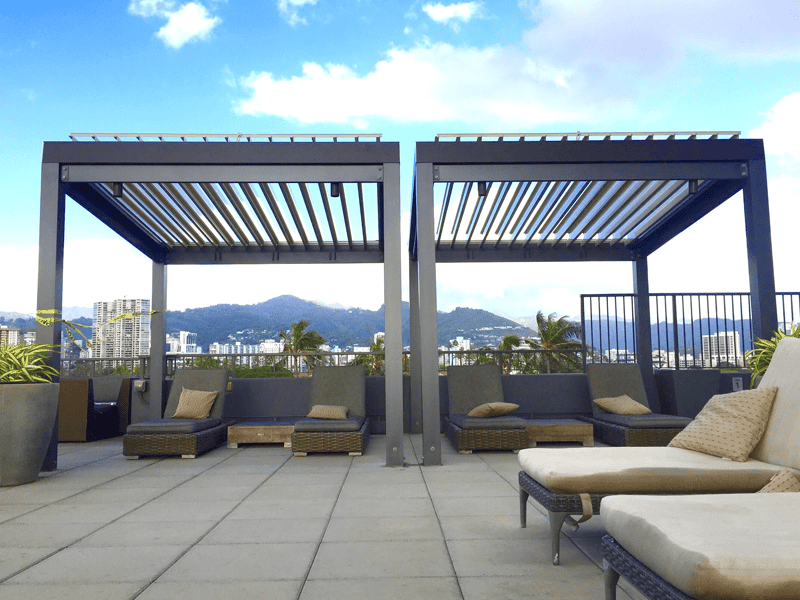
Right now, your patio sits empty most of the year. The furniture fades. The concrete heats up. Nobody wants to be out there when it’s 95 degrees with no shade.
A well-designed pergola changes that. You get defined outdoor space that’s comfortable enough to use from April through October. Your family actually eats dinner outside. You host without everyone retreating inside after twenty minutes.
The difference isn’t subtle. Strategic shade placement can drop the perceived temperature by 10-15 degrees. That’s the gap between unbearable and comfortable. Between an outdoor space that collects dust and one that gets used three times a week.
Memorial homeowners see 70-80% ROI on outdoor improvements like this. Not because of some abstract property value calculation, but because buyers in this area specifically look for functional outdoor living spaces. The attached pergola off the back of a Colonial Revival or Mediterranean home isn’t a luxury feature anymore. It’s expected.
We’ve spent nearly 50 years building outdoor structures that hold up. Not just anywhere—in climates that test materials. Houston’s combination of heat, humidity, and heavy rain exposes weak construction faster than most places.
We’re not the cheapest option in Memorial, and that’s intentional. You’re paying for materials that won’t crack in year two, engineering that accounts for 175 mph wind loads, and installation teams that understand local HOA requirements and city permits. The upfront cost is higher. The lifetime cost is lower.
Our structures are manufactured in the USA across five facilities. When something needs adjustment or service, you’re dealing with a company that has twenty customer solution centers and actually answers the phone. That matters more than most people realize until they need it.

First, someone comes to your property. Not to sell you, but to look at your space, measure correctly, and figure out what actually makes sense. We’re checking roof lines, existing structures, sun patterns, and how the pergola should integrate with your home’s architecture. This takes about an hour.
Then you get a transparent estimate. No hidden costs, no surprises later. We walk through material options—what requires maintenance, what doesn’t, what holds up in Houston weather. Most Memorial homeowners go with composite or aluminum because wood pergolas need constant attention in this climate.
Once you approve, we handle the paperwork. That means HOA submittal packages if you’re in one of the Memorial Villages, city permits, and timeline coordination. This is usually the part that frustrates people most when they try to DIY or hire someone without local experience.
Installation takes anywhere from a few days to a week depending on complexity. Our crews are licensed and insured. They show up when they say they will. The project manager stays in contact so you know what’s happening and when.
After completion, you get warranty documentation and care instructions. Then you have a structure that’s engineered for Gulf Coast weather and actually expands how you use your property.

Ready to get started?
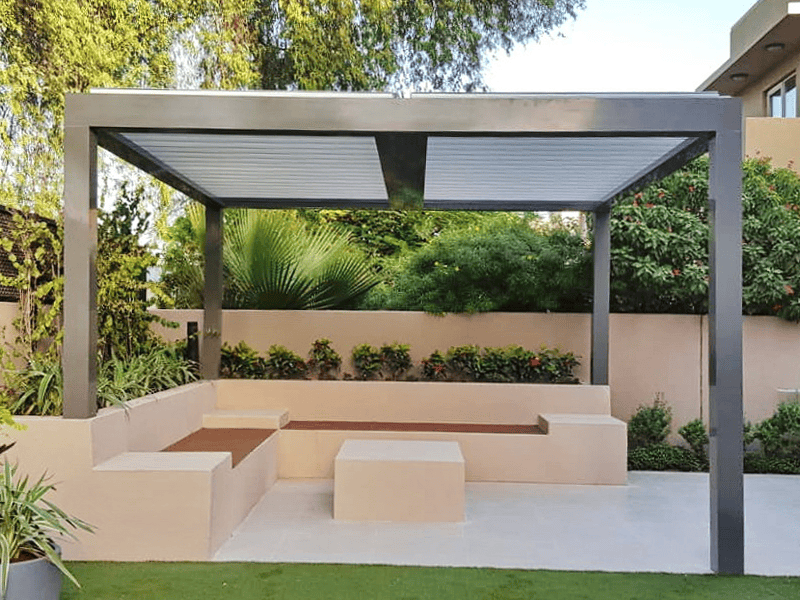
Every pergola we build in Memorial is custom-designed to match your home’s existing architecture. That means we’re matching roof lines, coordinating with your exterior finishes, and making sure the structure looks like it was always meant to be there. This isn’t a kit from a big box store.
Materials matter more in Houston than most places. We use composites and aluminum that resist cracking, warping, and rust. No termites. No rot. No annual staining or sealing. The maintenance requirement is essentially zero beyond occasional cleaning.
You can add retractable canopies for flexible shade control. Built-in lighting and ceiling fans. Bluetooth speakers if that’s your thing. Some Memorial homeowners integrate heating elements for winter months or cooling misters for peak summer. The structure is engineered to support these additions from the start.
The engineering itself is stamped for 175 mph winds. That’s not standard. Most pergola builders in the Houston area don’t bother with that level of structural certification. When hurricane season rolls around, you’ll know the difference.
We also handle the local requirements that trip people up. Memorial has specific HOA guidelines depending on which village you’re in. The city permit process has its own timeline. We’ve done this enough times that we know what Memorial’s building department wants to see and how long approval actually takes.

Most custom pergolas in Memorial run between $8,000 and $25,000 depending on size, materials, and features. That’s a wide range because the variables matter.
A basic 12×12 attached pergola with standard composite materials sits at the lower end. Add 200 square feet, integrate lighting and fans, use premium finishes that match a Mediterranean or Tudor home, and you’re moving up. Freestanding structures with full electrical integration cost more than simple attached designs.
The homeowners we work with in Memorial typically invest $15,000-$18,000. That gets you a well-engineered structure with quality materials, professional installation, proper permits, and features that make the space actually functional. It’s not the cheapest option available, but it’s the one that’s still standing and looking good in year ten.
Wood pergolas appear cheaper initially. Then you’re staining every two years, replacing boards that warp in Houston humidity, and dealing with termite damage. The lifetime cost flips. Composite and aluminum cost more upfront and less over time.
Yes. The City of Houston requires permits for most pergola installations, and if you’re in one of the Memorial Villages, you’ll also need HOA approval before construction starts.
The permit process isn’t optional, and skipping it creates problems when you sell. Home inspectors flag unpermitted structures. Title companies ask questions. Buyers get nervous or renegotiate. Some homeowners have had to remove structures entirely because they couldn’t get retroactive permits.
We handle this part. That includes preparing the documentation Houston’s building department wants, submitting to your HOA with the right architectural drawings and specifications, and tracking timelines so you know when to expect approval. Most HOAs in Memorial take 30-45 days. City permits usually clear within two weeks after HOA approval.
The requirements vary slightly depending on whether you’re in Bunker Hill Village, Piney Point, Hunters Creek, or another Memorial-area neighborhood. Each HOA has specific guidelines about setbacks, height restrictions, and architectural compatibility. We’ve worked in all of them and know what they’re looking for.
Wood looks great for about eighteen months in Houston. Then the maintenance cycle starts and never stops.
Cedar and pressure-treated pine need staining or sealing every 1-2 years. Skip that and the wood fades to gray, splinters, and starts to crack. Houston’s humidity accelerates rot. Termites are a constant concern. Even with regular maintenance, most wood pergolas in this climate need board replacement within 7-10 years.
Composite and aluminum pergolas require almost no maintenance. They don’t crack, warp, or rot. No termites. No annual sealing. You’re cleaning them once or twice a year, and that’s it. The color stays consistent. The structure stays solid.
The upfront cost difference is real—composite runs 30-40% more than wood initially. But when you factor in maintenance time, materials, and eventual replacement, composite costs less over the pergola’s lifetime. Most Memorial homeowners choose composite or aluminum once they understand the actual maintenance commitment wood requires in Gulf Coast humidity.
Installation itself takes 3-7 days for most Memorial projects. The timeline depends on size, complexity, and whether we’re attaching to your home or building a freestanding structure.
A straightforward attached pergola on an existing concrete patio goes faster. Freestanding designs require footer installation and more structural work. Adding electrical for lighting and fans adds a day. Complex roof line integration on Mediterranean or Tudor homes takes longer than simple attachments to ranch-style properties.
The bigger timeline factor is permitting. HOA approval in Memorial typically takes 30-45 days. City permits usually clear within two weeks after that. So from initial approval to completion, you’re looking at 6-8 weeks in most cases.
We give you a specific timeline during the estimate. Then we actually stick to it. The installation crew shows up when scheduled. The project manager keeps you updated if anything changes. Most delays come from weather or permit office backlogs, not from our end.
If it’s engineered correctly, yes. If it’s not, you’ll find out during the first serious storm.
Our pergolas are engineer-stamped for 175 mph wind loads. That’s not standard in the industry. Most pergola builders don’t bother with structural engineering certification. They install and hope. When hurricane season hits, some of those structures fail.
The engineering matters because Houston gets high winds, heavy rain, and the occasional tropical system. Your pergola needs to handle sustained wind pressure without racking or pulling away from attachment points. The footer depth, post sizing, beam connections, and fastener specifications all factor into whether the structure survives or becomes a liability.
We also use materials that handle humidity and heat without degrading. Composite and aluminum don’t rot, rust, or weaken in Gulf Coast conditions. The finish doesn’t fade or peel. After ten years, the structure still looks and performs like it should.
This level of engineering and material quality costs more upfront. But you’re not rebuilding after the next major storm, and you’re not dealing with insurance claims because your pergola damaged your home or your neighbor’s property.
Well-designed outdoor improvements in Memorial typically return 70-80% ROI. That’s higher than most interior renovations.
The reason is straightforward—buyers in this area specifically look for functional outdoor living spaces. When you’re touring homes in the $500,000-$2,000,000 range, the outdoor space matters. A property with a quality pergola, defined patio area, and usable backyard stands out against comparable homes without those features.
The ROI depends on execution quality. A professionally installed pergola that matches your home’s architecture and uses durable materials adds value. A DIY project with visible flaws or a structure that’s already showing wear doesn’t help much. Buyers notice the difference.
The value isn’t just in resale. It’s in actually using your property. Most Memorial homeowners tell us their outdoor space went from something they avoided to something they use multiple times per week. That’s the real return—getting functional space out of your backyard instead of letting it sit empty because it’s too hot or too exposed.
Other Services we provide in Memorial