
Transform your Long Island home with our custom sunrooms, liferooms, pergolas, and more! Quality Designs That Improve Your Space And Lifestyle.
Contact Info
Transform your Long Island home with our custom sunrooms, liferooms, pergolas, and more! Quality Designs That Improve Your Space And Lifestyle.
Contact Info
Hear From Our Clients
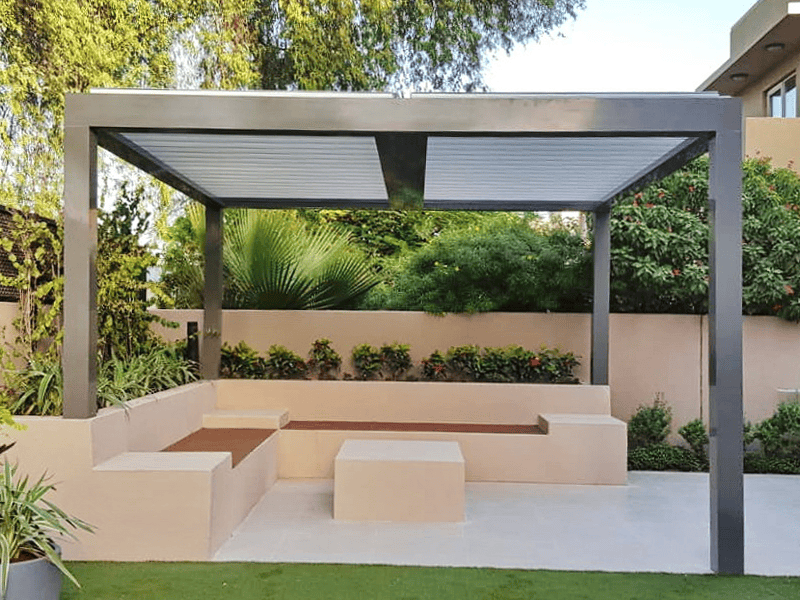
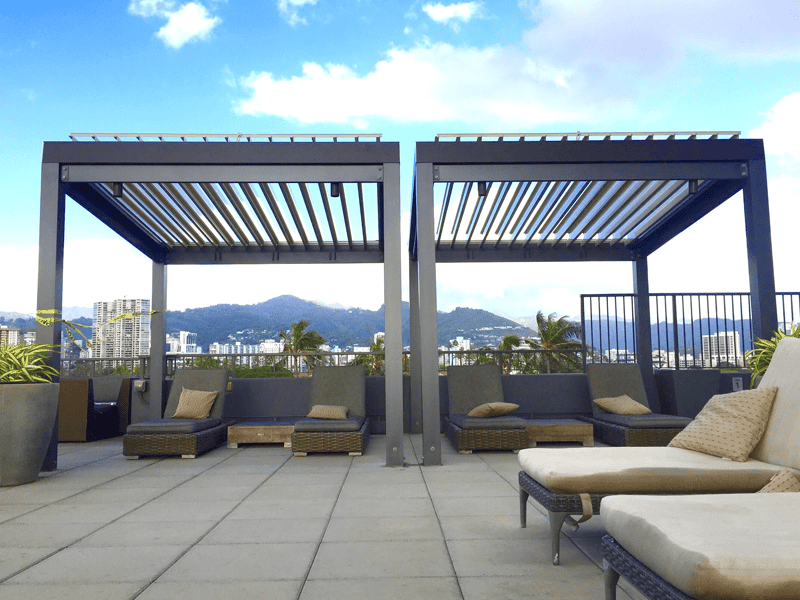
You bought a home in Hilshire Village because you wanted the lifestyle that comes with it. But if your backyard feels like a furnace from May through September, you’re not getting what you paid for.
A well-designed pergola changes that. It drops the temperature in your outdoor space by 10 to 15 degrees compared to full sun exposure. That means you can actually sit outside past 10 a.m. without feeling like you’re melting.
It also protects your outdoor furniture from fading and cracking under constant UV exposure. The pergola becomes a defined room – a place to eat, entertain, or just sit with coffee before the day starts. You’re not adding square footage to your house, but you’re adding real, functional living space that you’ll use.
And if you’re thinking about resale down the line, outdoor structures like pergolas typically return 50 to 80 percent of their cost in added home value. In a market where the median home is over a million dollars, that’s not a small number.
We’ve been building outdoor living spaces since the 1970s. We’re not a startup trying to figure things out on your dime. We’re a family-owned company that’s seen every kind of backyard, every kind of weather condition, and every kind of homeowner expectation.
We serve the greater Houston area, including Hilshire Village, and we understand what works here. Texas heat isn’t theoretical for us – it’s the environment we design for every single day. We use materials that hold up to humidity, sudden storms, and UV exposure that would destroy cheaper options in a few seasons.
You’ll work with people who’ve done this before, who show up when they say they will, and who don’t leave until the job is done right. We’re licensed, insured, and we back our work with a satisfaction guarantee. Not because we have to, but because we’ve built a reputation on it.

We start with a free in-home consultation. Someone from our team comes out, looks at your space, listens to what you’re trying to accomplish, and talks through what’s realistic. No pressure, no gimmicks – just a conversation about what makes sense for your property.
From there, we put together a detailed estimate that includes everything: materials, labor, timeline, and any site-specific considerations like drainage or HOA requirements. Most neighborhoods in Hilshire Village require HOA approval for outdoor structures, and we’ll help you navigate that process so you’re not dealing with it alone.
Once you’re ready to move forward, we handle permitting and scheduling. Our installation team shows up on time, works efficiently, and cleans up when they’re done. Depending on the size and complexity of your pergola, most projects wrap up in a few days to a week.
After installation, you’ll get a walkthrough of the finished structure and any maintenance guidelines. If you’ve opted for a louvered or motorized system, we’ll show you how to operate it and answer any questions before we leave.

Ready to get started?
We offer both attached and free-standing pergola designs, depending on your layout and how you want to use the space. Attached pergolas extend from your home and create a seamless transition from indoors to outdoors. Free-standing pergolas work well for poolside areas, garden spaces, or anywhere you want a defined outdoor room away from the house.
Material options include premium aluminum and wood. Aluminum pergolas require almost no maintenance, resist rust and corrosion, and hold up better in Houston’s humidity. Wood pergolas – particularly cedar – offer a traditional look but need regular staining and sealing to prevent rot and termite damage. Most Hilshire Village homeowners go with aluminum for that reason.
If you want more control over sun and shade, louvered pergola systems let you adjust the roof slats with a remote or smartphone. You can open them for full sun, close them for shade, or angle them to block rain while still allowing airflow. It’s a smart option if you want flexibility without adding a full roof structure.
We also integrate lighting, fans, and other features if that’s part of your vision. The goal is to create a space that works the way you need it to, not just something that looks good in photos.

Pricing depends on size, material, and features, but most custom pergolas in the Houston area run between $38 and $50+ per square foot. Aluminum systems tend to fall on the lower end of that range, while cedar or louvered designs with motorized controls cost more.
For a typical 12×16 pergola, you’re looking at somewhere between $7,000 and $12,000 installed. Larger structures or high-end finishes can push that higher. We give you a detailed, upfront estimate during the consultation so there’s no guessing.
Financing is available if you’d rather spread the cost out. We work with lenders who offer unsecured loans up to $125,000 with competitive rates, so you’re not stuck paying everything at once.
Yes, most outdoor structures require a permit in Hilshire Village, and nearly all properties fall under HOA jurisdiction. That means you’ll need approval from both the city and your homeowners association before construction starts.
We handle the permit process as part of our service. We’ll submit the necessary paperwork, coordinate with local building departments, and make sure everything is up to code. If your HOA has specific design guidelines – like color restrictions or setback requirements – we’ll work within those parameters.
The approval process usually takes a few weeks, depending on how quickly your HOA reviews submissions. We build that timeline into the project schedule so you’re not waiting around wondering when things will move forward.
A pergola has an open or semi-open roof structure, usually with slats or beams that provide partial shade. It’s designed to filter sunlight, not block it completely. A patio cover has a solid roof that offers full protection from sun and rain.
Pergolas work well if you want some shade but still want natural light and airflow. They’re also better for growing climbing plants or creating a more open, airy feel. Patio covers are better if you want complete weather protection and a space that stays dry during storms.
In Hilshire Village, where sudden afternoon storms are common, some homeowners opt for louvered pergolas that give them the best of both worlds. You can adjust the slats to close during rain and open them when you want sun and breeze.
Aluminum pergolas can last 20 to 30 years or more with minimal maintenance. They don’t rust, rot, or attract termites, and the finish holds up well against UV exposure and humidity. You might need to rinse them off occasionally, but that’s about it.
Wood pergolas have a shorter lifespan unless you stay on top of maintenance. Cedar can last 15 to 20 years if you stain and seal it every few years, but most homeowners underestimate how much upkeep that requires. In Texas heat and humidity, untreated wood deteriorates faster than it would in drier climates.
If you’re planning to stay in your home long-term and don’t want to deal with ongoing maintenance, aluminum is the smarter choice. If you love the look of wood and don’t mind the upkeep, cedar is still a solid option.
Yes, but the effect depends on the design. A standard pergola with open slats can reduce the temperature underneath by 10 to 15 degrees compared to direct sun exposure. That’s enough to make a noticeable difference, especially during peak afternoon heat.
Louvered pergolas give you more control. When the slats are angled or closed, they block more sunlight and create even better shade. Add a ceiling fan, and you’re looking at a space that’s genuinely comfortable even in July and August.
The other benefit is UV protection. Even if the temperature only drops a few degrees, blocking direct sunlight prevents that intense, skin-burning heat that makes outdoor furniture too hot to touch. You’re not going to turn your backyard into an air-conditioned room, but you’ll make it usable again.
Aluminum pergolas need almost nothing. Rinse them off with a hose a few times a year to remove pollen and dust, and check the fasteners occasionally to make sure everything’s tight. That’s it.
Wood pergolas are a different story. You’ll need to clean, sand, and reseal or stain them every two to three years to prevent cracking, fading, and rot. Skipping that maintenance means the wood will deteriorate faster, especially in Houston’s humidity. You’ll also want to inspect for termites and treat the wood if necessary.
If you’ve added a motorized louvered system, the mechanical components should be checked periodically to make sure everything operates smoothly. We’ll walk you through that during installation, and most systems come with warranties that cover defects or malfunctions.
Other Services we provide in Hilshire Village