
Transform your Long Island home with our custom sunrooms, liferooms, pergolas, and more! Quality Designs That Improve Your Space And Lifestyle.
Contact Info
Transform your Long Island home with our custom sunrooms, liferooms, pergolas, and more! Quality Designs That Improve Your Space And Lifestyle.
Contact Info
Hear From Our Clients
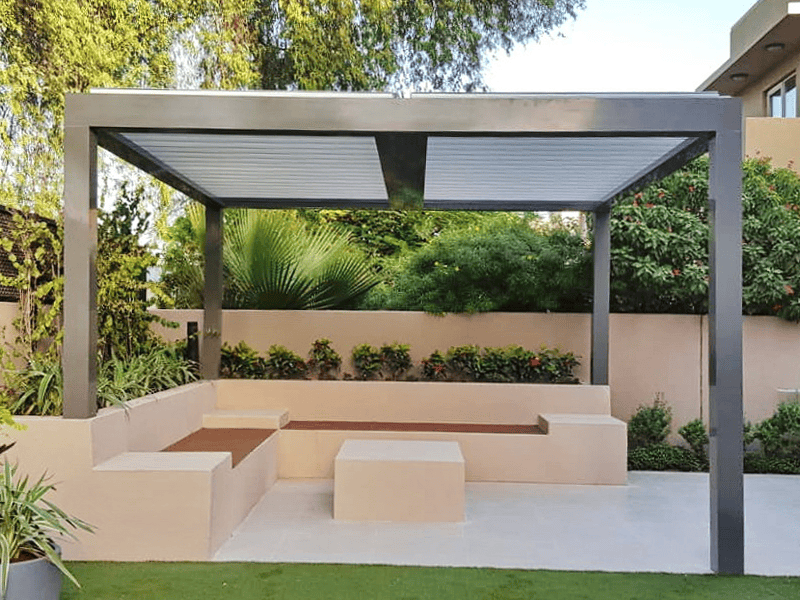
Right now, your patio probably sits empty most of the year. Too hot in summer. Too exposed when it rains. Maybe you’ve got a basic cover that’s already warping or fading.
A properly built pergola changes that. You get shade when you need it, protection from sudden storms, and a structure that holds up to Texas humidity without rotting or requiring constant staining. It’s not about decoration—it’s about making your outdoor space functional again.
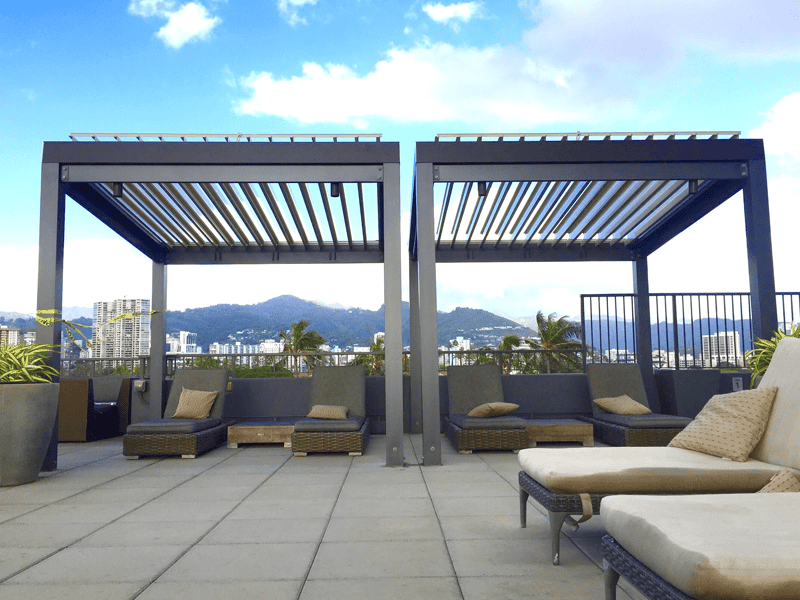
Whether you’re looking at wood pergolas for a classic look or aluminum for zero maintenance, the right design gives you a backyard you’ll actually use. Attached pergolas extend your living space. Freestanding options create defined areas for dining, lounging, or entertaining. Modern pergola designs can include integrated lighting, retractable canopies, or even outdoor kitchens.
The outcome is simple: you stop avoiding your backyard and start using it.
We’ve been manufacturing outdoor living structures for over 40 years at Four Seasons Sunrooms. We’re one of the largest manufacturers in the world, but you’re working with our local team in Hedwig Village that understands Texas weather and what holds up here.
Our pergola builders aren’t subcontractors learning on the job. They’re trained professionals who’ve handled hundreds of installations across the Houston area. Every project is engineered to meet Texas Department of Insurance coastal windstorm requirements—that’s hurricane-rated construction, not guesswork.
You’re getting corporate-level resources and warranties with local accountability. We pull permits, handle inspections, and stand behind the work with a satisfaction guarantee. That’s how we’ve stayed in business this long.

First, we come to your property in Hedwig Village and look at the actual space. We measure, check sun angles, talk about how you want to use the area, and discuss materials. Wood pergolas, aluminum, composite—each has trade-offs in maintenance, cost, and appearance. We’ll explain what makes sense for your situation.
Next, we design the structure. If you want an attached pergola connecting to your home, we factor in roofline, drainage, and structural load. Freestanding designs give you more flexibility in placement. We can integrate shade solutions, lighting, fans, or prep for future additions like outdoor kitchens.
Once you approve the design, we handle permits and engineering. Then installation begins. Depending on size and complexity, most pergola installations take one to two weeks. We dig footings, set posts, build the frame, and finish with any custom features you’ve chosen.
After completion, you get a final walkthrough and warranty documentation. If you have questions six months later, you call the same local team.

Ready to get started?
Every pergola we build in Hedwig Village starts with materials selected for Texas climate. Aluminum pergolas resist humidity and never need painting. Wood pergolas use treated lumber that won’t rot in Houston’s moisture. Composite options split the difference—wood appearance without the maintenance.
You’re also getting engineering that accounts for local weather. Hedwig Village sits in a zone that requires wind-rated construction. Our pergolas are built to handle hurricane-force winds, not just normal conditions. Footings go deep enough to stay stable. Hardware is corrosion-resistant.
Modern pergola designs can include louvered roofs that adjust for sun control, integrated LED lighting for evening use, or ceiling fans to move air on humid days. Attached pergolas can tie into your home’s electrical and create seamless indoor-outdoor flow. We can also prep the space for future additions—outdoor kitchens, fire pits, or screening.
The goal is a structure that increases your property value while giving you functional outdoor living space. In Hedwig Village’s real estate market, quality outdoor improvements consistently return 70-80% of cost at resale. But more immediately, you get a backyard you’ll use instead of ignore.

Most custom pergola installations in Hedwig Village run between $8,000 and $25,000, depending on size, materials, and features. A basic 12×12 wood pergola starts around $8,000. Larger aluminum structures with louvered roofs, lighting, and attached design can reach $25,000 or more.
Material choice affects cost significantly. Wood pergolas are typically the most affordable upfront but require ongoing maintenance. Aluminum costs more initially but eliminates staining, sealing, and rot concerns. Composite materials fall in the middle.
Attached pergolas that tie into your home’s structure cost more than freestanding designs due to additional engineering and integration work. Adding features like retractable canopies, ceiling fans, or outdoor kitchen prep increases the total.
We offer financing up to $125,000 with competitive rates if you want to spread payments. During your consultation, we’ll give you an exact quote based on your specific property and preferences—no guessing or surprise costs later.
Wood pergolas give you a traditional look with natural grain and warmth. They’re typically less expensive upfront and can be stained or painted to match your home. The downside is maintenance—you’ll need to reseal or restain every few years, and even treated wood can warp or develop issues in Houston’s humidity.
Aluminum pergolas require almost zero maintenance. They won’t rot, warp, crack, or attract termites. You can hose them off occasionally, and that’s it. They handle extreme temperatures better and last longer in Texas weather. The trade-off is higher initial cost and a more modern aesthetic that doesn’t suit every home style.
For Hedwig Village properties, we often recommend aluminum for clients who want a set-it-and-forget-it solution. Wood works well if you prefer the classic look and don’t mind periodic upkeep. Composite options exist too—they mimic wood appearance but resist moisture and insects better.
Your choice depends on budget, aesthetic preference, and how much ongoing maintenance you’re willing to handle. We’ll show you samples of both during consultation so you can see and feel the difference.
Most pergola installations in Hedwig Village take one to two weeks from start to finish. Smaller freestanding structures can sometimes be completed in a week. Larger attached pergolas with custom features may take closer to three weeks.
The timeline includes permit approval, which typically takes a few days in Hedwig Village. Once permits are pulled, we schedule installation. We dig and pour footings first, which need time to cure. Then we set posts, build the frame, and add roofing elements and any custom features.
Weather can affect the schedule—we won’t pour concrete if heavy rain is forecast, and we don’t work in unsafe wind conditions. But we communicate any delays immediately and adjust the schedule.
After installation, there’s a final inspection to ensure everything meets code. You’ll get a walkthrough where we explain maintenance requirements and answer any questions. The entire process from initial consultation to completion usually spans four to six weeks, with most of that time being planning and permitting rather than actual construction.
Yes, quality outdoor improvements consistently rank among the highest ROI projects in Houston’s real estate market. Most pergola installations return 70-80% of cost when you sell, and in Hedwig Village’s premium market, that percentage can be even higher.
The median home value in Hedwig Village is $1.46 million. Buyers at this price point expect well-designed outdoor spaces. A professionally built pergola signals that the property has been maintained and upgraded thoughtfully. It also adds functional square footage—outdoor living space that extends the home’s usable area.
Beyond resale value, you’re increasing your own enjoyment of the property. If you plan to stay in your home for several years, the value isn’t just financial—it’s about actually using your backyard instead of letting it sit empty because it’s too hot or exposed.
Appraisers consider outdoor structures when evaluating property value, especially in markets like Hedwig Village where outdoor living is expected. A well-built pergola integrated with landscaping and other outdoor features creates a cohesive space that appeals to buyers and adds measurable value.
Yes, when they’re properly engineered. Every pergola we build in Hedwig Village is engineered to meet Texas Department of Insurance coastal windstorm requirements. That means the structure is designed to handle hurricane-force winds, not just normal weather conditions.
Engineering includes deep footings with proper concrete volume, galvanized or stainless hardware that won’t corrode, and structural connections that distribute wind load correctly. Aluminum pergolas perform especially well in high winds because the material is both strong and lightweight—it flexes slightly without breaking.
Wood pergolas can also be hurricane-rated when built correctly, but the engineering must account for wood’s tendency to weaken over time if moisture gets in. We use treated lumber and seal all connections to prevent water intrusion.
The key is working with builders who understand local requirements and don’t cut corners. Cheap pergola installations that skip engineering or use inadequate footings won’t survive a major storm. Our structures are permitted and inspected specifically because Hedwig Village is in a zone where wind resistance matters. You’re not gambling on whether it’ll hold up—you’re getting documentation that it will.
Yes, most pergola installations in Hedwig Village require a building permit. Any structure that’s attached to your home definitely needs one. Freestanding pergolas typically need permits if they’re over a certain size or include electrical work, which most do if you’re adding lighting or fans.
Permit requirements exist to ensure the structure is safe and meets wind load requirements for the area. Hedwig Village is in a coastal wind zone, so engineering matters. Skipping permits might save time upfront, but it creates problems when you sell—title companies and buyers will ask for documentation of permitted work.
We handle all permitting as part of the installation process. We submit plans, coordinate with inspectors, and ensure everything is approved before and after construction. You don’t have to visit any offices or figure out what forms are needed.
The permit process in Hedwig Village typically takes a few days to a week. It adds a small amount of time to the overall project, but it protects you legally and ensures the structure is built to code. When you get your final inspection approval, you have documentation that the work was done correctly and safely.
Other Services we provide in Hedwig Village