
Transform your Long Island home with our custom sunrooms, liferooms, pergolas, and more! Quality Designs That Improve Your Space And Lifestyle.
Contact Info
Transform your Long Island home with our custom sunrooms, liferooms, pergolas, and more! Quality Designs That Improve Your Space And Lifestyle.
Contact Info
Hear From Our Clients
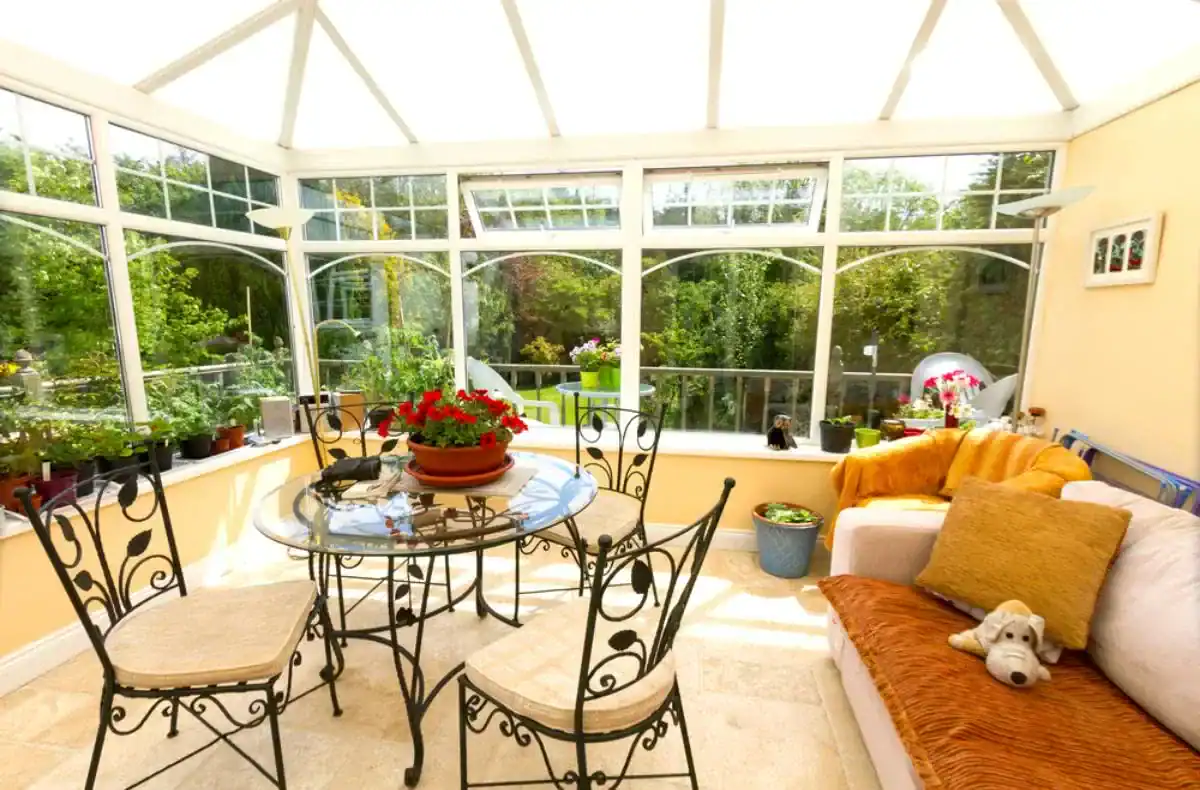
You’re not looking for another space that sits empty half the year because it’s too hot in summer or too cold in winter. You want a room with floor-to-ceiling glass that doesn’t punish you with HVAC bills or make you regret the investment by July.
That’s where most glass conservatory projects fail in Texas. They look beautiful in photos but the reality is different when temperatures hit 100°F and the room becomes unusable without running the AC constantly.
We build custom glass rooms with solid insulated roofs and high-performance windows that block 99% of UV rays. You get the natural light and outdoor views without the greenhouse effect. The space stays comfortable in August and January, which means you’ll actually use it instead of avoiding it.
Four Seasons Sunrooms has been designing and installing conservatories since the mid-1970s. We’re family-owned, fully licensed and insured, and we understand what works in the Houston metro climate because we’ve been building here long enough to see what holds up and what doesn’t.
Spring homeowners are investing in stackable upgrades that add comfort and value without full renovations. The median home price here jumped 4.4% last year to $263K, and smart improvements matter when 75% of households own their homes.
We’re not the cheapest option, and that’s intentional. You’re paying for materials engineered for Texas heat, installation teams who’ve done this hundreds of times, and a 100% satisfaction guarantee with 24/7 emergency service backing it up.

We start with an on-site consultation at your Spring home. You’ll walk us through what you’re envisioning, and we’ll assess your space, discuss architectural styles that complement your home, and talk through climate control options that matter for year-round use here.
Next comes custom design. Whether you’re drawn to Victorian conservatory details, clean Georgian lines, or a modern custom glass room, we’ll create drawings that show exactly what you’re getting. This is where we specify insulated roof systems, UV-blocking glass packages, and HVAC integration so there are no surprises about performance.
Installation timelines vary based on size and complexity, but we schedule around your life and keep the site clean. Our teams handle permitting, foundation work, structural assembly, electrical, and final finishes. You’ll get a final walkthrough where we make sure every detail meets your expectations before we consider the job complete.
Ready to get started?
Every conservatory we build includes engineered foundation work, structural framing designed for Texas wind loads, and solid insulated roofing that prevents overhead heat gain. The glass packages aren’t standard patio door glass—they’re high-performance insulated units with low-E coatings and UV protection.
You’ll choose from conservatory architecture styles including Victorian with ornate ridge details, Georgian with classical proportions, Edwardian with square or rectangular footprints, or fully custom designs. Each style adapts to your home’s existing architecture and your functional needs, whether that’s a garden room filled with plants, a dining space, a home office, or just a quiet retreat.
Spring’s climate demands specific solutions. We’re building for summers that regularly exceed 95°F and occasional winter freezes. That means HVAC integration planning, proper insulation values, and window systems that perform in both extremes. The difference between a conservatory you love and one you avoid using comes down to these details, and we’ve spent decades figuring out what actually works in Southeast Texas humidity and heat.

Most custom conservatories in the Spring area run between $30,000 and $80,000 depending on size, style, and features. A basic 10×12 garden room with standard finishes sits at the lower end, while a 16×20 Victorian conservatory with premium glass, custom millwork, and full HVAC integration pushes toward the higher range.
The biggest cost variables are glass quality, roof system complexity, and foundation requirements. If your yard has drainage issues or needs extensive site prep, that adds to the budget. Architectural details like custom ridge cresting, decorative finials, or intricate glazing bars also increase costs but deliver the visual impact that makes Victorian and Georgian styles so distinctive.
We offer financing up to $125,000 for qualified buyers with competitive rates. Most clients find that breaking the investment into manageable payments makes more sense than waiting years to save up cash, especially given how much use they get from the space once it’s built.
Only if it’s built wrong. All-glass roofs turn conservatories into greenhouses in Texas heat, which is why we don’t build them that way.
Our conservatories use solid insulated roofs with traditional shingles or standing seam metal that match your home’s existing roofline. This prevents direct sun from beating down on your head and eliminates the biggest source of heat gain. The vertical glass walls use low-E coatings and UV-blocking technology that reject 99% of ultraviolet rays while still letting natural light through.
You’ll still need HVAC to keep the space comfortable in July and August—there’s no magic glass that makes air conditioning unnecessary in 100°F heat. But with proper roof insulation and high-performance windows, you’re cooling a normal room addition, not fighting a losing battle against a glass oven. Most clients report their conservatory stays within a few degrees of the rest of their home when the AC is running.
Conservatories have more glass and more architectural detail. Traditional conservatory architecture features glass walls extending to or near the roofline, ornamental ridge systems, and classical styles like Victorian or Georgian that make a visual statement.
Sunrooms typically have more solid wall sections, standard residential roofing, and simpler designs that blend into your home’s existing structure. They’re often more affordable and easier to climate-control because there’s less glass surface area, but they don’t deliver the same dramatic light-filled experience or curb appeal.
Neither option is better—it depends what you value. If you want maximum natural light, architectural elegance, and a space that feels like a glass garden room, a conservatory makes sense. If you prioritize energy efficiency, lower costs, and a room that feels like a standard addition with extra windows, a sunroom fits better. We build both, and we’ll walk you through the tradeoffs during your consultation based on how you actually plan to use the space.
Most conservatory projects take 6 to 12 weeks from contract signing to final completion. Smaller garden rooms on simple sites can finish faster, while larger custom designs with complex foundations or extensive site work take longer.
The timeline breaks down into permitting (1-2 weeks), foundation and site prep (1-2 weeks), structural assembly and roofing (2-3 weeks), glass installation (1 week), and interior finishes plus HVAC integration (1-2 weeks). Weather delays happen—you can’t pour concrete in heavy rain or install glass in high winds—so we build buffer time into schedules.
We’ll give you a specific timeline during design based on your project scope. What matters more than speed is getting details right, because a conservatory built correctly will outlast one rushed through installation. You’re looking at a permanent addition to your home, and the extra week spent on proper flashing or precise glazing pays off in decades of performance.
Yes, but the return depends on execution quality and how well the conservatory fits your home’s style and price point. Well-built conservatories typically return 60-80% of their cost in immediate resale value, with potential for higher returns over time as the improvement ages and surrounding home values rise.
Spring’s housing market is healthy—median prices are up 4.4% year-over-year and 75% of households own their homes. Buyers in this market respond well to move-in-ready upgrades that add functional living space without requiring them to manage construction projects. A conservatory that’s clearly professional, climate-appropriate, and architecturally cohesive with the home reads as a premium feature.
The bigger value isn’t always resale—it’s the years of use you get before you ever sell. If you’re planning to stay in your Spring home for 5-10 years, you’ll recover the investment through daily enjoyment long before appraisal value matters. Most clients tell us their conservatory becomes the favorite room in the house, which is worth something beyond dollars.
Less than you’d expect. The exterior materials we use are maintenance-free vinyl or powder-coated aluminum that won’t rot, rust, or need painting. You’ll clean the glass a few times a year just like you clean your home’s windows—more often if you’re particular about spotless views, less often if you don’t mind some pollen or dust.
The roof system needs the same attention as the rest of your home’s roof. Check for debris in valleys and gutters seasonally, and inspect flashing after major storms. If we install a shingle roof, it’ll last 20-30 years before needing replacement, same as your main roof.
The biggest maintenance item is managing condensation, which happens when warm humid air hits cold glass in winter. Running a dehumidifier or ensuring good air circulation prevents moisture buildup that could lead to mold. This is basic HVAC management, not conservatory-specific problems. Keep the space conditioned year-round rather than letting it swing between temperature extremes, and you’ll avoid most issues before they start.
Other Services we provide in Spring