
Transform your Long Island home with our custom sunrooms, liferooms, pergolas, and more! Quality Designs That Improve Your Space And Lifestyle.
Contact Info
Transform your Long Island home with our custom sunrooms, liferooms, pergolas, and more! Quality Designs That Improve Your Space And Lifestyle.
Contact Info
Hear From Our Clients
You’re looking at your backyard and seeing wasted potential. Maybe you’ve got a patio that’s unusable half the year because of the heat. Or you’re cramped inside and don’t want to deal with a full home addition that tears your house apart for months.
A conservatory gives you that extra room without the chaos. You get a space flooded with natural light that actually stays comfortable when it’s 95 degrees outside. No more choosing between enjoying your view and staying cool.
The right design means you can use it as a home office during the day, a place for the kids to play without tracking mud through the house, or somewhere to actually relax on a Sunday morning with coffee. It’s functional space that doesn’t feel like an afterthought tacked onto your home.
And if you’re thinking about resale value, a well-executed glass conservatory can increase your home’s worth by up to 10% in Spring Valley Village, TX. That’s not a small number when you’re looking at median home prices over a million dollars in this area.
Four Seasons Sunrooms isn’t new to this. We’ve been designing and installing custom conservatories for close to five decades, which means we’ve seen every possible scenario, climate challenge, and homeowner concern you can imagine.
What matters to you is that we know how to build a conservatory that handles Houston’s weather. The intense summer sun, the humidity, the occasional cold snap—your conservatory needs to perform through all of it. We use energy-efficient glass that brings in light without turning your space into a greenhouse.
We’re fully licensed and insured, and we don’t disappear after installation. You’re working with people who live and operate in the Houston area, who understand what Spring Valley Village homeowners expect, and who’ve built a reputation on actually finishing projects on time with clear communication throughout.

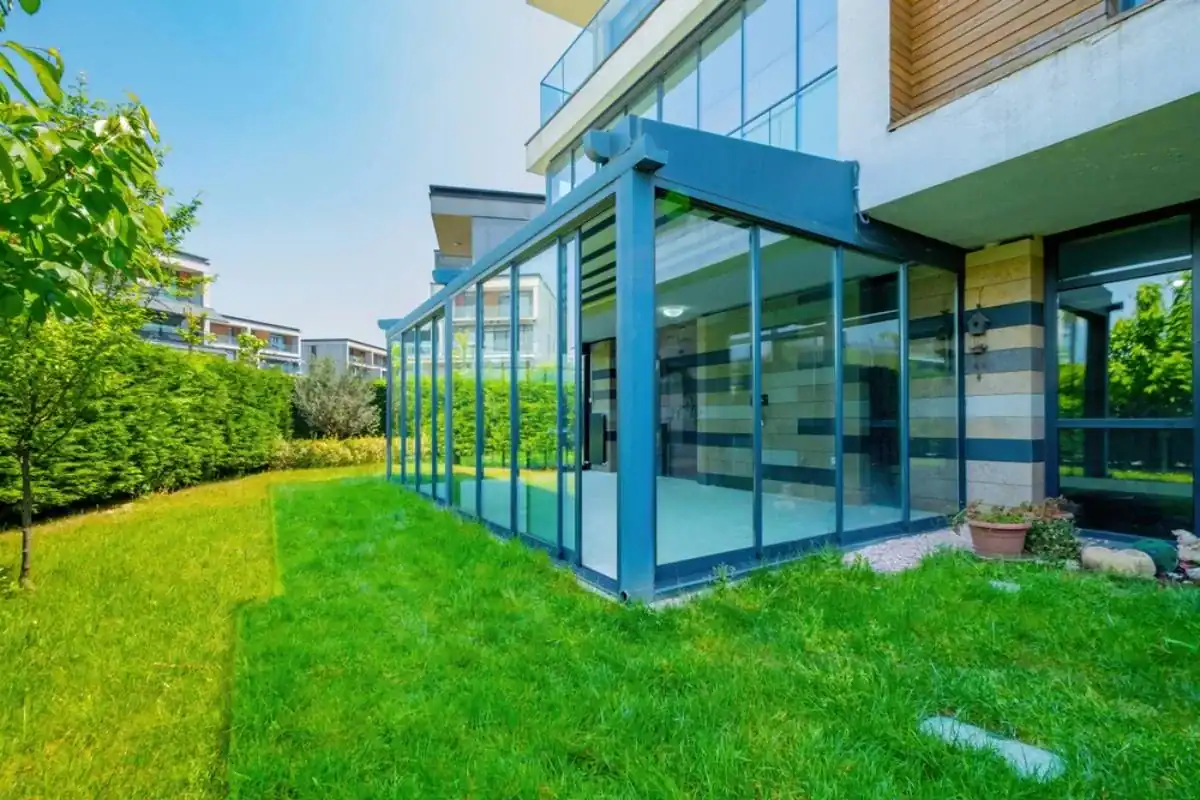
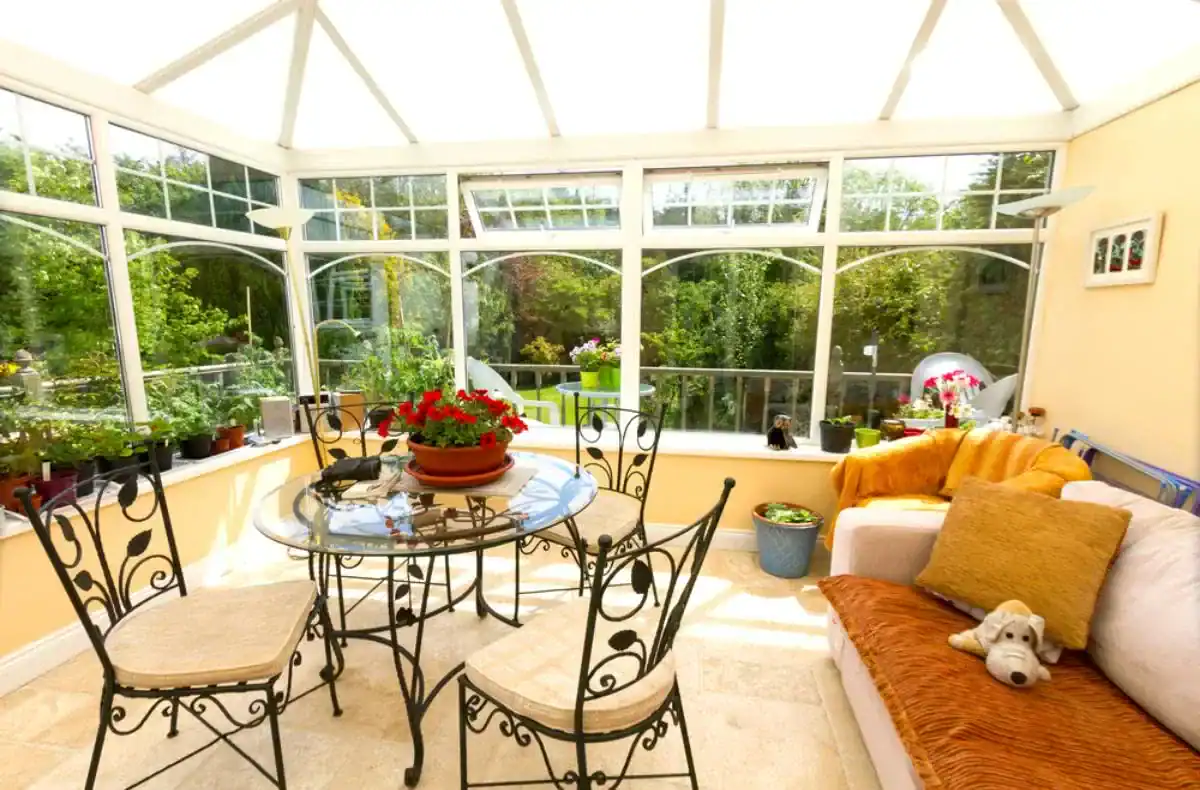
It starts with a consultation at your home. We look at your space, talk about how you want to use it, and discuss design options—whether you’re drawn to a Victorian conservatory with its classic lines or prefer something more modern like a custom glass room that blends with your current architecture.
From there, we create a design that fits your property and your budget. You’ll see exactly what it’s going to look like, what materials we’re using, and how long the project will take. No surprises, no vague timelines.
Installation is handled by our team, not subcontractors we’ve never met. We manage the entire process, which means if something needs adjusting or you have questions mid-project, you’re talking to people who actually know what’s happening. Most conservatory projects wrap up in a matter of weeks, not months.
Once it’s done, you’ve got a space that’s ready to use immediately. We walk you through everything—how the systems work, maintenance requirements (which are minimal), and what’s covered under warranty. Then we’re available if you need us down the road.
Ready to get started?
Every conservatory we build includes energy-efficient glass designed specifically for Texas heat. This isn’t standard window glass—it’s engineered to reduce heat transfer, block harmful UV rays, and keep your space comfortable without running your AC into the ground.
You choose the style that fits your home. Victorian conservatories work beautifully with traditional Spring Valley Village architecture. If your home is more contemporary, a sleek custom glass room or garden room design might make more sense. The structure itself is built with high-quality, low-maintenance materials that won’t warp, rot, or require constant upkeep.
Climate control is built in from the start. We’re talking about insulated roofing systems, proper ventilation, and the option to integrate your conservatory with your home’s existing HVAC. This is what separates a year-round living space from a glorified screened porch that sits empty for half the year.
And because we know Spring Valley Village homeowners care about details, we handle everything from permits to final inspections. You’re not coordinating between multiple contractors or trying to figure out local building codes. We’ve done this enough times to know exactly what’s required in Harris County.

Not if it’s built right. The concern is valid—glass and Texas heat don’t usually mix well. But modern energy-efficient glass changes that equation completely.
We use glazing that’s designed to let natural light flood in while blocking the heat that comes with it. You’re looking at glass that reduces heat transfer by a significant margin compared to standard windows. That means your AC isn’t working overtime to keep the space livable.
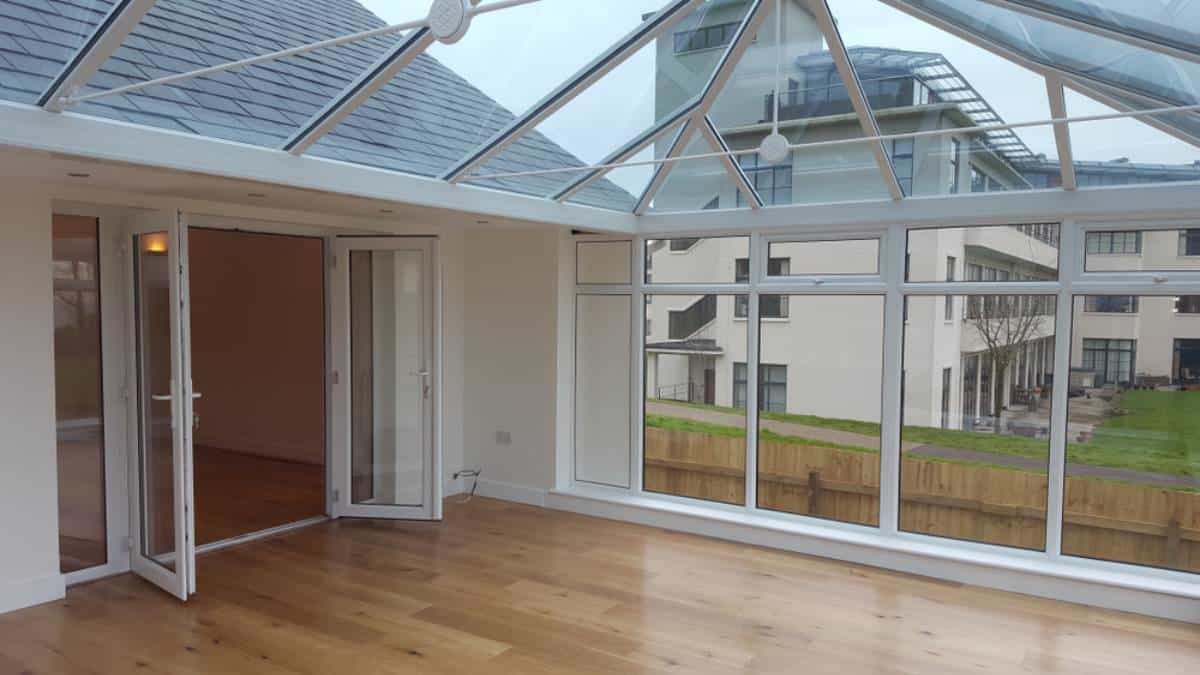
The roof system matters just as much. A solid, insulated conservatory roof keeps heat from building up overhead, which is where most of the problem happens with older designs. Pair that with proper ventilation, and you’ve got a space that stays comfortable without destroying your utility costs. Most homeowners actually find their conservatory becomes one of their most-used rooms specifically because it doesn’t feel like a sauna in July.
Most projects take between three to six weeks from start to finish. That’s not three to six weeks of constant construction chaos—it’s the total timeline including prep work, installation, and final touches.
The first phase involves site preparation and laying the foundation, which typically takes a few days. Then comes the frame and glass installation, which is the bulk of the work. Final steps include electrical, any HVAC integration, and finishing details.
You’re not dealing with the kind of disruption that comes with a full room addition. We’re working outside your existing home, so you’re not living in a construction zone. There might be some noise during installation, but your daily routine stays mostly intact. Weather can affect the timeline—Houston rain delays happen—but we schedule around that as much as possible and keep you updated if anything shifts.
Minimal, if you want the honest answer. The materials we use are specifically chosen because they hold up to Houston weather without constant attention.
The glass itself often has self-cleaning technology, which means rain actually helps keep it clear. You’ll probably want to hose down the exterior a couple times a year and wipe down the inside glass as needed, but that’s about it. No painting, no sealing, no worrying about wood rot or rust.
The frame and structural components are built from materials that don’t degrade in humidity. You’re not going to be out there every spring doing maintenance like you would with a wood deck. The biggest ongoing task is keeping the gutters clear if your conservatory has them, which takes maybe an hour twice a year. Everything else—the roof, the glass seals, the structural integrity—is designed to last without you having to think about it.
You can use it however you want. The “conservatory = greenhouse” idea is outdated. Modern conservatory architecture creates legitimate living space that functions like any other room in your home.
Homeowners in Spring Valley Village use them as home offices, playrooms, dining areas, workout spaces, reading nooks—basically anything that benefits from natural light and outdoor views. Because the climate control actually works, you’re not limited to using it only in spring and fall.
If you want to incorporate plants, that’s great. The environment is perfect for it. But you’re not locked into that. We’ve built conservatories that house everything from home gyms to art studios to entertainment spaces for hosting. The key is designing it with your specific use in mind from the start, so the layout, electrical, and climate systems all support how you’ll actually use the space day to day.
Real estate data shows well-executed conservatories can add up to 10% to your home’s value. In Spring Valley Village, where the median home price sits around $1.27 million, that’s a significant return.
But the value isn’t just in the resale number. You’re adding functional square footage that buyers actually want. A conservatory signals that the home has been invested in and upgraded thoughtfully. It’s not like adding a pool, which some buyers love and others see as a liability. Extra living space with natural light is almost universally appealing.
The quality of the installation matters for resale. A cheap, poorly built conservatory that’s too hot in summer and too cold in winter won’t add value—it might actually hurt it. But a professional installation with energy-efficient glass, proper climate control, and design that complements the home’s architecture? That’s the kind of upgrade that makes your property stand out when you eventually sell.
The main difference is in the design and how much glass is used. A conservatory typically has more glass—often including a glass roof—and follows specific architectural styles like Victorian or Georgian. A sunroom usually has a solid roof and glass walls.
Conservatories tend to feel more connected to the outdoors because of all that glass. You get unobstructed views and maximum natural light. Sunrooms can feel a bit more like a traditional room that just happens to have a lot of windows.
Both can be climate-controlled and used year-round if they’re built properly. The choice really comes down to the look you want and how your home is designed. Some Spring Valley Village homes suit the elegant lines of a Victorian conservatory perfectly. Others look better with a more understated sunroom addition. We can walk you through both options and show you what makes sense for your specific property and how you plan to use the space.
Other Services we provide in Spring Valley Village