
Transform your Long Island home with our custom sunrooms, liferooms, pergolas, and more! Quality Designs That Improve Your Space And Lifestyle.
Contact Info
Transform your Long Island home with our custom sunrooms, liferooms, pergolas, and more! Quality Designs That Improve Your Space And Lifestyle.
Contact Info
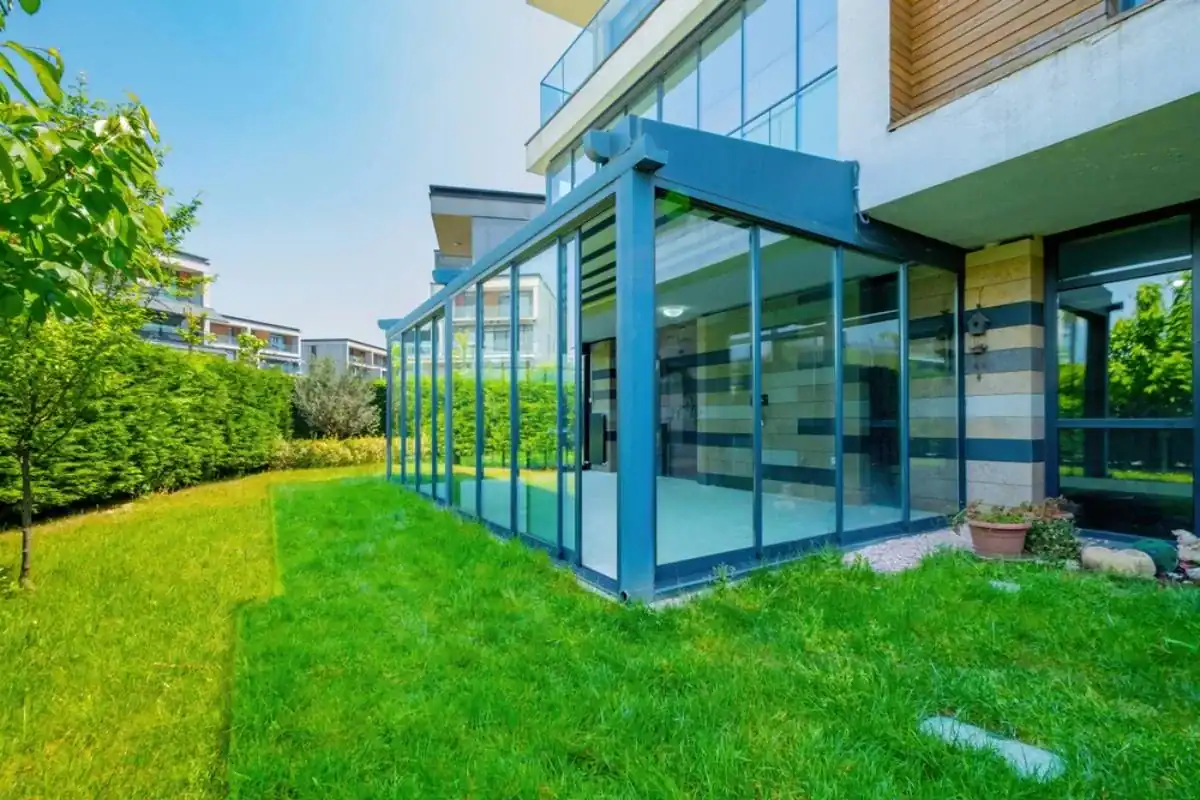
Hear From Our Clients
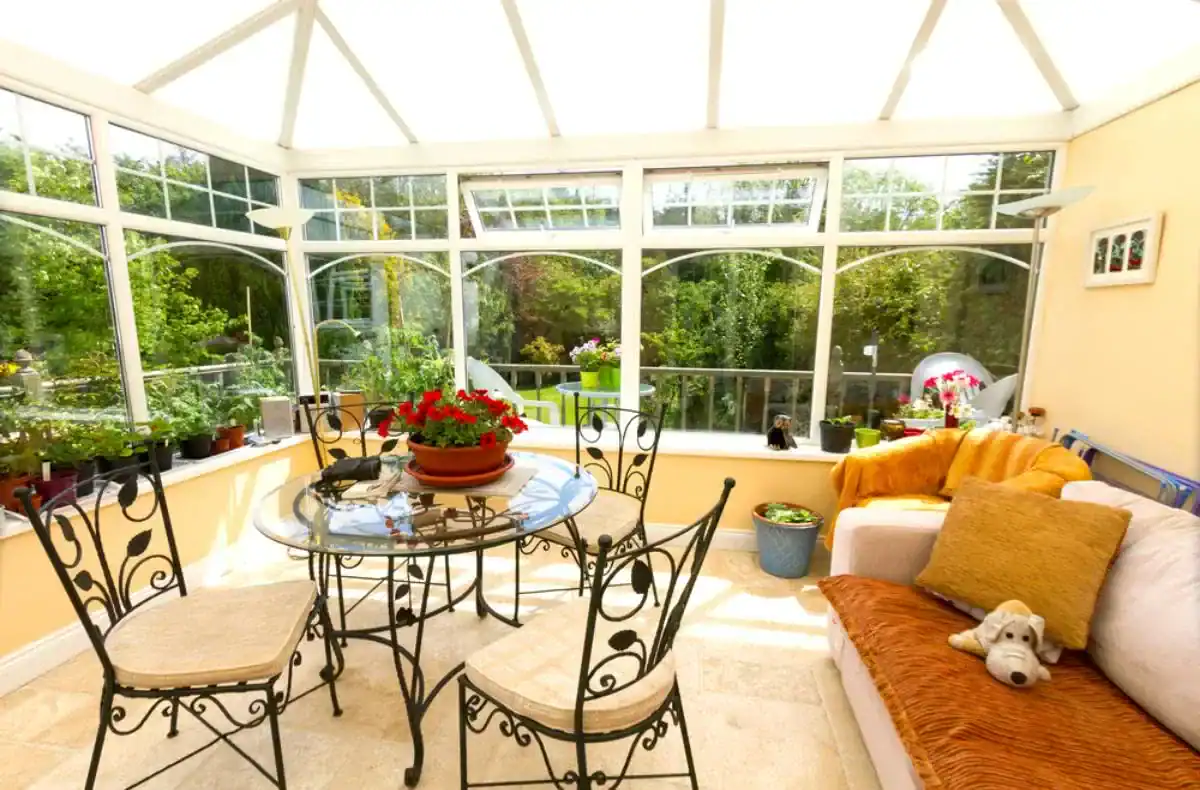
You didn’t buy a home in Northside to spend nine months a year hiding from the weather. But that’s what happens when your only options are baking on an exposed patio or sitting inside with the blinds drawn.
A conservatory changes that. It’s a glass room that brings in natural light without the heat overload, keeps mosquitos out during peak evening hours, and stays comfortable when it’s 95 degrees outside. You get a space that works as a breakfast nook, home office, or place to unwind after work—without fighting Houston’s humidity or unpredictable storms.
It’s not just about adding square footage. It’s about reclaiming the parts of your home you’ve been avoiding because the weather made them unusable. And in a market where median home values in Houston are climbing past $313,000, a well-built conservatory isn’t just livable space—it’s an investment that shows up when it’s time to sell.
We’ve been building conservatories and four-season sunrooms for nearly 50 years. We’re part of one of the largest sunroom manufacturers in the world, but we operate locally—which means you’re working with people who understand what it takes to build a glass room that holds up in Texas heat, handles Gulf Coast humidity, and doesn’t turn into a greenhouse by noon.
We’re licensed, insured, and we’ve completed thousands of projects across the Houston area. Northside homeowners deal with older housing stock, tight lot lines, and weather that swings from drought to downpour in the same week. We’ve seen it all, and we build accordingly.
We offer financing up to $125,000 if you need it. Projects get done on time, and if something comes up, we handle it directly—no runaround, no excuses.

It starts with a consultation at your home. We look at your space, talk through what you’re trying to accomplish, and figure out whether a Victorian conservatory, garden room, or custom glass room makes the most sense for your layout and budget. No pressure, no upselling—just a real conversation about what works.
Once you’re ready to move forward, we handle the design and permitting. You’ll see renderings that show exactly what the finished conservatory will look like, including framing materials, glass options, and how it connects to your existing home. We walk through energy efficiency features like Low-E glass and insulated framing so you know what you’re getting before construction starts.
Installation is managed by our team from start to finish. We’re not subbing out the critical work. The conservatory gets built to spec, inspected, and finished on schedule. You’ll know the timeline upfront, and if weather or permitting delays things, we’ll keep you updated.
After the job’s done, you get a walkthrough and warranty information. If something needs adjustment, we take care of it. The goal is a conservatory that works the way you need it to—and keeps working.
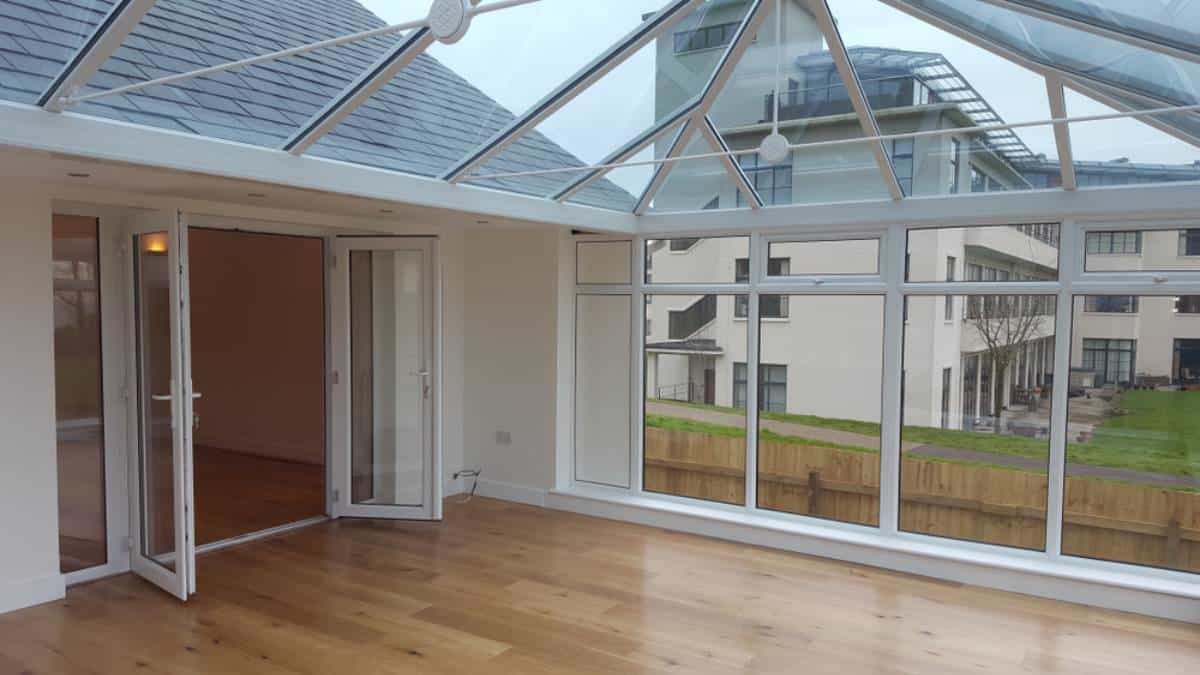
Ready to get started?
Every conservatory we build uses CONSERVAGLASS™ NXT—high-performance glass with Low-E coating that blocks infrared heat while letting natural light through. That’s what keeps the space bright without turning it into a sauna when the sun’s overhead. The glass is 5/8-inch thick, rated for hurricane conditions up to Category 5, and includes stay-clean technology that cuts down on maintenance.
Framing options include vinyl and aluminum, both designed to handle Houston’s temperature swings without warping or cracking. Vinyl windows come with 87% UV tinting standard, which protects your furniture and keeps the interior cooler. You can choose finishes that match your home’s existing architecture, whether that’s a traditional Victorian conservatory style or something more modern.
In Northside and Northline, where many homes were built between 1940 and 1969, we’re often working with older foundations and rooflines that weren’t designed for additions. We account for that during the design phase so the conservatory integrates cleanly without compromising your home’s structure. And because this is Houston, every installation is built to handle heavy rain, high winds, and the kind of humidity that makes poorly sealed spaces unbearable by July.

Not if it’s built right. The issue with most glass rooms in Texas isn’t the glass itself—it’s using the wrong type of glass without proper heat management.
We use Low-E glass specifically because it blocks infrared heat while still letting in natural light. That means you get a bright space without the greenhouse effect that makes traditional sunrooms unbearable by mid-morning. The glass is also thicker than standard residential windows—5/8 inch—which improves insulation and cuts down on heat transfer.
On top of that, you can add options like tinted glass, ceiling fans, and integrated HVAC connections if you want active climate control. Most of our Northside clients find that a conservatory with the right glass and airflow stays comfortable even during Houston’s longest heat stretches. It won’t feel like your living room, but it won’t feel like a patio in August either.
It depends on size, materials, and how much customization you want. A basic conservatory addition starts around $25,000 to $35,000 for a smaller footprint with standard finishes. Larger custom glass rooms with premium materials, Victorian-style architecture, or complex rooflines can run $60,000 to $100,000 or more.
The biggest cost drivers are square footage, glass type, and structural work. If we’re tying into an older home with foundation issues or unusual rooflines—common in Northside—that adds complexity. Same goes for upgraded finishes, integrated lighting, or HVAC extensions.
We offer financing up to $125,000 with competitive rates, so you’re not stuck paying everything upfront. During the consultation, we’ll walk through a few different configurations and give you a real number based on your property and what you’re trying to build. No ballpark guesses, no surprise costs later.
Yes, if they’re engineered for Gulf Coast weather. Houston gets an average of 50+ inches of rain per year, plus the occasional tropical system that dumps several inches in a few hours. A conservatory that’s not built to handle water intrusion and wind load won’t last.
Our conservatories use hurricane-rated glass up to Category 5 and reinforced framing designed to meet Texas wind load requirements. The roof systems are sealed and sloped to shed water quickly, and all joints are flashed and caulked to prevent leaks. We’ve installed these systems across the Houston area for years, including in Northside and Northline where drainage can be tricky on older lots.
You’ll also want to make sure gutters and downspouts are part of the design. We include those in the build so water doesn’t pool around the foundation or create runoff issues. If a storm does cause damage, the warranty covers material defects and workmanship—so you’re not stuck dealing with repairs on your own.
A conservatory uses more glass—usually floor-to-ceiling on multiple sides, plus a glass roof or mostly glass roof structure. It’s designed to maximize natural light and create a garden room feel. A traditional sunroom typically has more solid wall sections, a standard insulated roof, and larger window openings rather than full glass panels.
Conservatories also tend to have more architectural detail. Victorian conservatory styles include decorative ridge crests, ornamental finials, and period-accurate framing. They’re meant to be a visual feature, not just extra square footage. Sunrooms are more about function and year-round climate control with less emphasis on aesthetics.
That said, the line between the two has blurred. A four-season sunroom with upgraded glass and custom framing can look a lot like a conservatory, and a conservatory with solid knee walls and HVAC can function like a sunroom. What matters is how you plan to use the space and what style fits your home. We build both, and we’ll help you figure out which makes more sense based on your priorities and budget.
Most conservatory installations take four to eight weeks from the day we break ground to final walkthrough. Smaller, simpler designs can be done faster. Larger custom glass rooms with complex rooflines or significant structural work take longer.
Permitting in Houston typically adds one to three weeks on the front end, depending on how backed up the city is and whether your property has any zoning quirks. Northside and Northline are mostly residential, so permits usually move faster than in commercial districts, but it’s still something we account for in the timeline.
Weather can cause delays, especially during spring storm season or if we hit a stretch of heavy rain that makes foundation work impossible. We’ll give you a realistic schedule during the planning phase and keep you updated if anything shifts. The goal is to get the job done right without rushing through critical steps like flashing, sealing, or structural tie-ins that could cause problems later.
Yes, especially if it’s done well. A custom conservatory adds usable square footage, improves curb appeal, and creates a feature that stands out in listings. In a market where Houston’s median home value is over $313,000 and climbing, buyers notice quality additions that expand living space without requiring a full-scale renovation.
The return on investment depends on the quality of the build and how well it integrates with your home’s existing style. A Victorian conservatory that looks like an afterthought won’t add much value. A custom glass room that blends with your architecture, uses high-performance materials, and creates functional space will.
Northside and Northline have a mix of older homes and newer buyers looking for move-in-ready properties with character. A well-designed conservatory checks both boxes. It’s not a guaranteed dollar-for-dollar return, but it’s one of the few home improvements that adds both livability and resale appeal without feeling like a generic upgrade.
Other Services we provide in Northside / Northline