
Transform your Long Island home with our custom sunrooms, liferooms, pergolas, and more! Quality Designs That Improve Your Space And Lifestyle.
Contact Info
Transform your Long Island home with our custom sunrooms, liferooms, pergolas, and more! Quality Designs That Improve Your Space And Lifestyle.
Contact Info
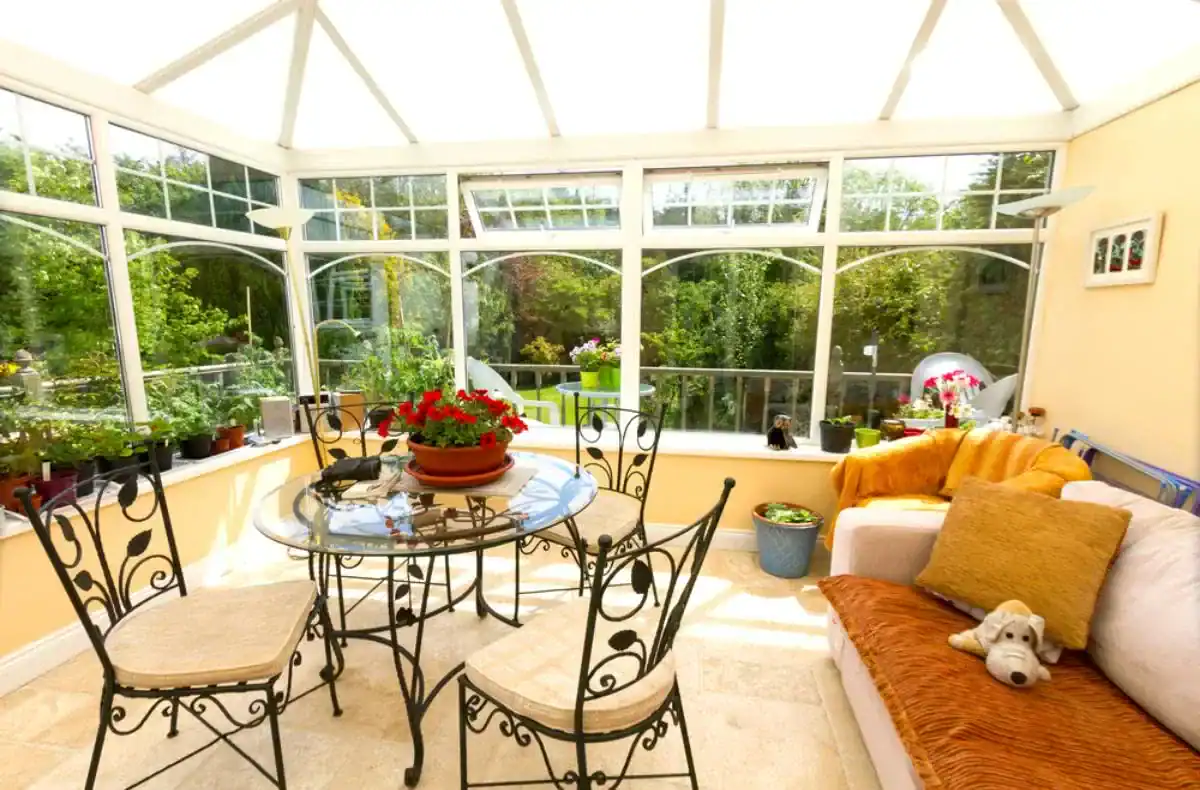
Hear From Our Clients
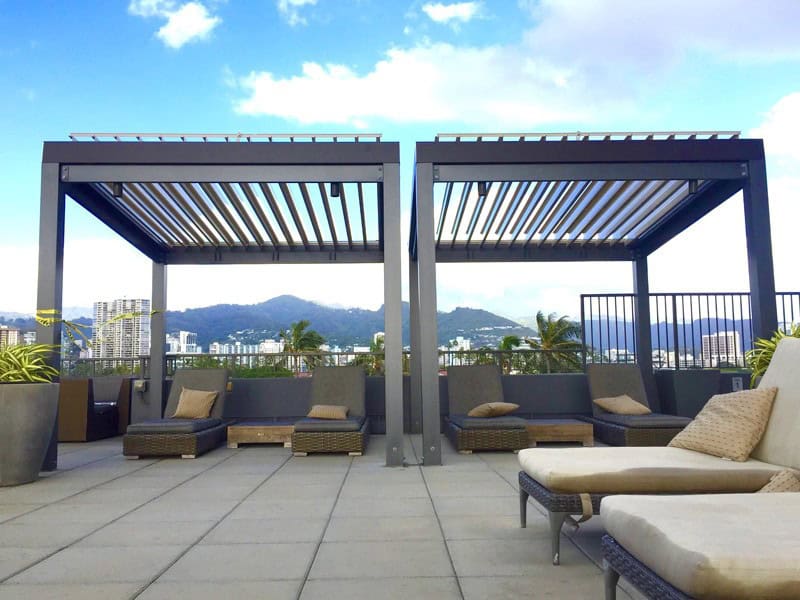
You didn’t buy a home in Northside/Northline, TX to stay locked inside nine months a year. But when stepping outside means instant sweat, swarming mosquitos, or sudden downpours, your backyard becomes useless.
An insulated sunroom changes that. You get the natural light and outdoor views without the misery. Air conditioning when it’s 98 degrees outside. Heating for the handful of cooler evenings. Screens that actually keep bugs out.
It’s space you’ll use in February and August. Room for family dinners, morning coffee, or just somewhere to sit that doesn’t feel like the rest of your house. And because it’s built with energy efficient glass and proper insulation, you’re not running up your electric bill just to make it comfortable.
This isn’t about adding square footage for the sake of it. It’s about getting back the outdoor living you thought you’d have when you moved to Texas.
Four Seasons Sunrooms has been building climate-controlled outdoor spaces since the 1970s. We’re not a general contractor who dabbles in sunrooms. This is what we do.
Our team in Houston works with homeowners throughout Northside/Northline and surrounding areas who want functional space that holds up to the local climate. We’re talking about homes built in the ’40s through ’60s that need thoughtful additions, not cookie-cutter solutions.
You’ll work directly with experienced builders who understand how Houston weather affects these structures. We handle permitting, design, installation, and follow-up. And because we’re locally operated but backed by one of the largest sunroom manufacturers in the world, you get both personalized service and proven products.

It starts with a free consultation at your home. We’ll look at your property, talk about how you want to use the space, and go over what’s realistic for your budget and timeline. No pressure, just information.
Once you’re ready to move forward, we create a custom design that fits your home’s architecture and your needs. We’re not forcing a standard kit onto your house. Every four season room we build accounts for your specific layout, sun exposure, and how the addition connects to your existing structure.
Then comes permitting and prep work. We handle the paperwork and coordinate inspections so you don’t have to chase down the city. Installation typically takes a few weeks depending on size and complexity. Our crews show up when they say they will, keep the site clean, and communicate if anything changes.
After installation, we walk you through everything—how the windows operate, how to maintain the space, and what to expect as it settles. You’ll also get information on warranty coverage and who to contact if you ever need service.

Ready to get started?
Every all season sunroom we install in Northside/Northline includes insulated glass designed for energy efficiency. That’s not an upgrade or add-on. It’s standard, because anything less won’t hold up to Houston summers.
You’ll get a structure with proper heating and cooling integration. Most homeowners tie into their existing HVAC system, though we can discuss standalone units if that makes more sense for your setup. Either way, the space stays comfortable without turning into an expensive greenhouse.
The materials matter here. We use CONSERVAGLASS™ NXT in most builds—it’s engineered to reduce heat transfer and has a coating that makes cleaning easier. Frames are available in aluminum, vinyl, or wood depending on your preference and what matches your home.
Because Northside/Northline has a lot of older housing stock, we pay close attention to how the addition blends with your existing roofline and exterior. You’re not getting a structure that looks tacked on. And with median home values around $252,000 in the area, a well-executed sunroom addition typically returns about 70% of the investment when you sell.

Yes, if it’s built right. The key is insulated glass and a proper climate control system.
A screen-only porch or basic enclosure won’t cut it when it’s 95 degrees with 80% humidity. You need insulated glass that blocks heat transfer and a way to cool the space—either by extending your home’s existing HVAC or installing a dedicated unit. We typically recommend tying into your current system if the capacity is there, because it’s more efficient and you’re not managing multiple thermostats.
The glass makes the biggest difference. Standard single-pane windows turn a sunroom into a solar oven. Energy efficient glass like CONSERVAGLASS™ NXT is designed to let light in while reflecting heat. You still get the brightness and the view, but the space doesn’t become unbearable by 10 a.m.
Homeowners in Northside/Northline use these rooms all summer. It’s not theoretical. But it requires the right materials and installation, not just any enclosure with windows.
Most projects range between $25,000 and $75,000 depending on size, materials, and how much site prep is needed.
A basic 12×12 insulated sunroom with standard finishes will land on the lower end. If you’re adding 300 square feet with premium glass, custom woodwork, or significant foundation work, you’ll be closer to the higher end. Electrical, HVAC integration, and permits add to the total but are necessary for a functional four season room.
Financing is available up to $125,000 with competitive rates if you’d rather spread payments out. Some homeowners fold the cost into a home equity line. Others pay outright. We’ll give you a detailed quote after the consultation so there’s no guessing.
For context, the median home price in Northside/Northline is around $252,000. A sunroom addition in the $30,000 to $50,000 range typically returns about 70% of that investment in added home value, and you get to use the space the entire time you live there.
The terms get used interchangeably, but there’s a real difference in how they’re built.
A traditional sunroom usually has single-pane windows, minimal insulation, and no dedicated heating or cooling. It’s a three-season space at best—you can use it in spring and fall, but it’s too hot in summer and too cold in winter. Some people call these “Florida rooms” because they work in milder climates.
A four season room (or all season sunroom) is insulated and climate-controlled. It has energy efficient glass, proper insulation in the walls and roof, and a heating and cooling system. You can use it year-round, even during a Houston summer or the few cold snaps we get in winter.
When we build a sunroom in Northside/Northline, we’re building it as a four season room unless you specifically request otherwise. There’s no point adding space to your home that you can only use part of the year, especially with how long and intense Houston summers are.
It depends on how it’s built and how you use it, but a well-insulated four season room shouldn’t spike your costs.
If you’re adding 200 square feet of climate-controlled space, yes, you’re conditioning more area. But energy efficient glass and proper insulation minimize the load. Most homeowners report their bills go up modestly—maybe $30 to $60 a month during peak summer—but it’s not the dramatic increase you’d see with a poorly built addition.
The glass is the biggest factor. Cheap windows let heat pour in, forcing your AC to work overtime. Insulated glass with low-E coatings reflects heat and keeps the space comfortable without overworking your system. We use CONSERVAGLASS™ NXT in most installations specifically because it’s designed to reduce energy transfer.
If you’re tying into your existing HVAC, we’ll check the system’s capacity first. An undersized unit that’s already struggling won’t handle the extra load well. In those cases, a mini-split or standalone system makes more sense and can actually be more efficient than forcing your main unit to do too much.
Most installations take three to five weeks from permit approval to final walkthrough, though larger or more complex projects can run longer.
The timeline breaks down like this: design and permitting usually take one to two weeks depending on how quickly the city processes paperwork. Site prep and foundation work take a few days to a week. The actual structure goes up in about a week. Then there’s electrical, HVAC integration, finishing work, and final inspections—that’s another week or two.
Weather can slow things down, especially if we’re pouring concrete and it rains for three days straight. And if your project requires significant modifications to your existing structure or utility relocations, that adds time.
We’ll give you a realistic timeline during the consultation. Some companies lowball the schedule to make the project sound easier than it is. We’d rather set accurate expectations and finish on time than promise four weeks and deliver in eight.
Yes. Any permanent structure that adds conditioned space to your home requires a permit in Houston.
The city wants to make sure the addition meets building codes, is structurally sound, and doesn’t violate setback requirements or HOA rules. Skipping permits might seem like a shortcut, but it creates problems when you sell the house or file an insurance claim.
We handle the permitting process as part of the project. That includes submitting plans, coordinating inspections, and making sure everything is documented properly. You don’t have to visit city offices or figure out what forms to file.
Permit costs vary based on project size but typically run a few hundred dollars. It’s a small part of the overall budget and worth it for the peace of mind. And if you’re in an HOA, we’ll help with that approval process too—some associations have specific requirements for exterior additions that need to be addressed before construction starts.
Other Services we provide in Northside / Northline