
Transform your Long Island home with our custom sunrooms, liferooms, pergolas, and more! Quality Designs That Improve Your Space And Lifestyle.
Contact Info
Transform your Long Island home with our custom sunrooms, liferooms, pergolas, and more! Quality Designs That Improve Your Space And Lifestyle.
Contact Info
Hear From Our Clients
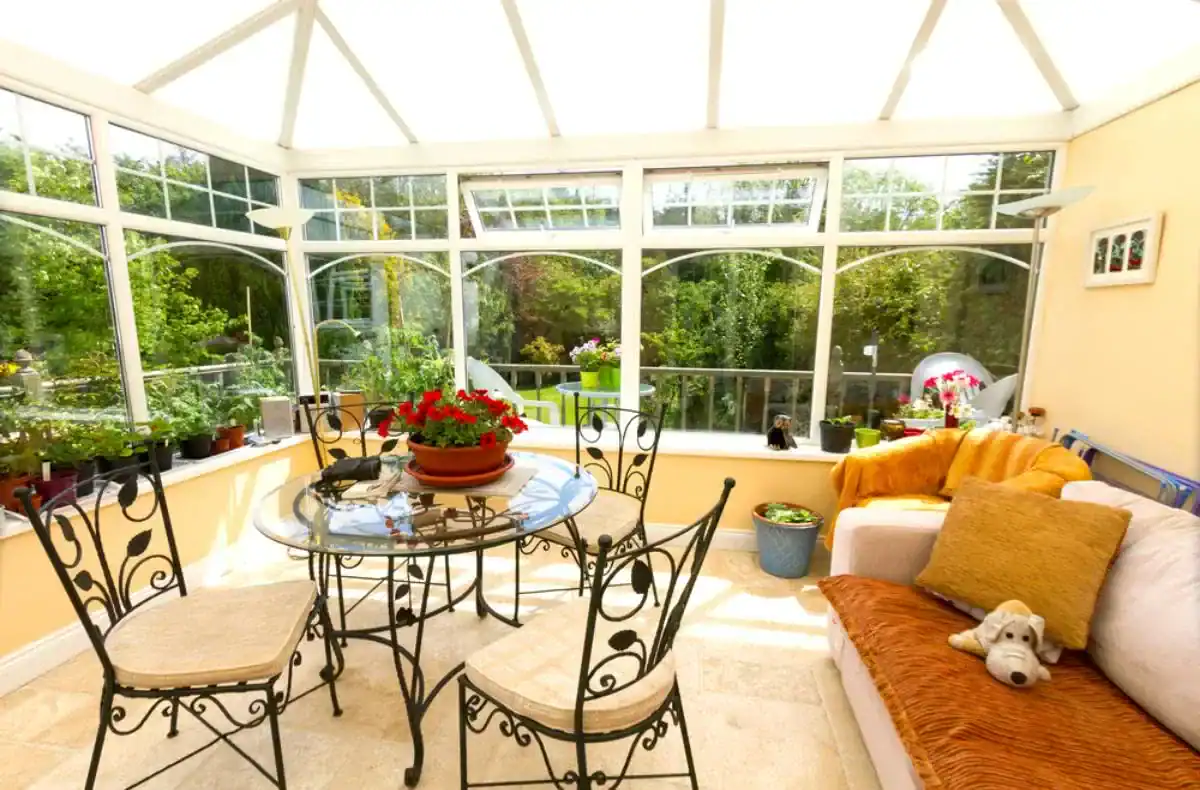
You know the problem. Your patio sits empty from June through September because it’s too hot to enjoy. The bugs take over in spring. And the few months when the weather’s perfect, you’re worried about sudden rain ruining your afternoon.
An all season sunroom changes that. You get natural light and outdoor views without stepping into 98-degree heat or swatting mosquitoes all evening. The space stays comfortable because it’s insulated and climate-controlled, not just screened in. That means you can use it as a home office during summer, a breakfast nook in winter, or a place to read without checking the weather first.
The difference between a standard screened porch and a true four season room comes down to insulation, glass quality, and HVAC. If your sunroom can’t handle a Texas August, it’s not really adding functional space to your home. It’s just another area you avoid half the year. A properly built insulated sunroom with energy efficient glass and dedicated heating and cooling gives you 365 days of use, not 90.
We’ve installed hundreds of sunrooms across Central Southwest Texas, from College Station and Bryan to Waco and surrounding areas. We’re a family-owned operation backed by a manufacturer with nearly 50 years in the industry, which means you get local service with access to proven products and installation methods.
We’ve worked on everything from older ranch homes near Texas A&M to newer builds in master-planned communities. Each project has different roof loads, HOA requirements, and site conditions. That experience matters when you’re adding a permanent structure to your home.
Every installation is handled by our trained crews who understand Texas building codes and climate demands. We don’t subcontract the work or disappear after the sale. You get a dedicated team, clear communication, and a 100% satisfaction guarantee on the finished product.

First, we come to your home for a free consultation. We’ll look at your existing structure, measure the space, talk about how you plan to use the room, and discuss options for glass, insulation, and HVAC. This isn’t a high-pressure sales call. It’s a working meeting where we figure out if a sunroom makes sense for your situation and what it would take to build it right.
Once you decide to move forward, we handle permits and HOA approvals if needed. Then we order materials and schedule installation. Most sunroom projects take two to three weeks from start to finish, depending on size and complexity. That’s significantly faster than a traditional room addition, which can drag on for months.
During installation, our crews work on-site daily. We build the foundation, frame the structure, install insulated glass panels, run electrical and HVAC lines, and finish the interior. You’ll see progress every day, and we keep the work area clean. When we’re done, you have a fully functional room with heating, cooling, lighting, and finished floors ready to use immediately.

Ready to get started?
Every sunroom we install in Central Southwest Texas includes energy efficient glass designed for our climate. We use insulated, multi-pane glass with low-E coatings that block UV rays and reduce heat transfer. This isn’t the same glass you’d use in a Minnesota three-season room. Texas requires better thermal performance because your sunroom needs to stay comfortable when it’s 102 degrees outside.
Sunroom heating and cooling is handled with a dedicated mini-split HVAC system sized specifically for the space. This keeps the room at a consistent temperature without overloading your home’s existing system. The walls are insulated, and we seal everything properly so you’re not paying to cool the outdoors. In winter, the sunroom actually helps reduce heating costs in adjacent rooms by acting as a thermal buffer and capturing passive solar heat.
The structure itself is engineered to handle Texas weather. That means proper drainage for heavy rain, reinforced framing for wind loads, and materials that won’t warp or fade in constant sun exposure. We’ve built sunrooms that have been through hurricanes, hailstorms, and years of brutal summer heat. They hold up because we don’t cut corners on materials or installation methods. You’re getting a permanent addition to your home, not a temporary enclosure that needs constant maintenance.

Yes, if it’s built correctly. The key is proper insulation, high-performance glass, and a dedicated HVAC system. A true four season room isn’t just a screened porch with windows. It’s a climate-controlled space with insulated walls, energy efficient glass that blocks heat gain, and its own heating and cooling system.
We install mini-split HVAC units sized specifically for the sunroom’s square footage and sun exposure. These systems are efficient and powerful enough to keep the space comfortable even during August afternoons. The insulated glass does most of the heavy lifting by reflecting heat before it enters the room, so your AC isn’t fighting a losing battle.
The difference in comfort is dramatic. We’ve had customers who use their sunrooms as home offices all summer without issue. The room stays at whatever temperature you set, just like any other room in your house. If your sunroom can’t handle summer heat, it’s not really adding year-round living space.
Most insulated sunrooms in our area run between $30,000 and $60,000, depending on size, glass options, and features. A basic 12×14 three-season room starts around $30,000. A fully insulated four season room with premium glass and upgraded finishes can reach $60,000 or more for larger spaces.
That’s significantly less than building a traditional room addition, which typically costs $85,000 or more for the same square footage. Sunrooms are faster to build and don’t require the same level of foundation work, which keeps costs down. You’re still getting a permanent structure with real value, just at a better price point than conventional construction.
We offer financing up to $125,000 with competitive rates if you want to spread payments out. Every project starts with a free estimate, so you’ll know exactly what it costs before making any decisions. No surprises, no pressure. Just a clear number based on what you actually need.
In Central Southwest Texas, we typically see four season sunrooms return 55-75% of their cost at resale. That’s higher than the national average because Texas buyers value climate-controlled outdoor space more than buyers in milder climates. A room you can use year-round has real appeal in a market where outdoor living is limited by heat and bugs.
The ROI depends on quality of installation and how well the sunroom integrates with your home. Professional installations from reputable contractors see 10-15% higher resale values compared to budget builds or DIY projects. Buyers can tell the difference between a well-built sunroom and a cheap enclosure, and they pay accordingly.
Beyond resale value, there’s immediate functional value. If you need a home office, exercise space, or extra living area, a sunroom gives you that for 41% of what a traditional addition costs. Even if you never sell, you’re getting usable square footage at a better price than any other option.
A three-season sunroom has single-pane glass, minimal insulation, and usually no dedicated heating or cooling. You can use it comfortably in spring and fall, but it’s too hot in summer and too cold in winter. It’s basically an upgraded screened porch that extends your outdoor season but doesn’t give you year-round use.
A four season room has insulated walls, multi-pane energy efficient glass, and its own HVAC system. It’s built to the same standards as the rest of your home, which means you can use it every day regardless of weather. The glass blocks heat transfer, the insulation prevents energy loss, and the climate control keeps temperatures consistent.
In Texas, the difference matters more than in mild climates. A three-season room sits empty from June through September because it’s unbearable without AC. A true all season sunroom stays comfortable all year, which means you’re actually getting functional living space instead of a room you avoid half the time. If you’re investing in a sunroom, build it right the first time so you can use it when you need it most.
Most sunroom installations take two to three weeks from the day we start on-site to the day you can start using the space. That includes foundation work, framing, glass installation, electrical, HVAC, and interior finishing. Larger or more complex projects might take four weeks, but you’re still looking at a fraction of the time a traditional room addition requires.
Traditional additions often take three to six months once you factor in engineering, permits, foundation work, framing, roofing, electrical, plumbing, drywall, and finishing. Sunrooms are faster because they’re engineered systems with pre-manufactured components that fit together efficiently. We’re not building from scratch. We’re installing a proven product designed specifically for this purpose.
The timeline also depends on permit approval and weather. We handle all permit paperwork and HOA submissions if needed, which can add a week or two before installation starts. Once we’re on-site, work happens daily until the project is complete. You’ll see steady progress, and we keep you updated throughout the process so you know exactly where things stand.
Yes, most municipalities in Central Southwest Texas require permits for sunroom construction because you’re adding a permanent structure to your home. The permit process ensures the sunroom meets local building codes for structural integrity, electrical work, and energy efficiency. It also protects you by creating an official record of the addition for insurance and resale purposes.
We handle all permit applications and inspections as part of our service. That includes submitting plans, coordinating with local building departments, and scheduling required inspections during construction. You don’t need to deal with any of the paperwork or back-and-forth with code officials. We’ve done this hundreds of times and know exactly what each municipality requires.
If you’re in an HOA community, you’ll also need architectural approval before starting construction. HOAs often have requirements for exterior colors, roof styles, and setbacks that affect sunroom design. We’re familiar with most HOAs in the area and can help navigate their approval process. The key is handling permits and approvals upfront so there are no delays or issues once construction starts.
Other Services we provide in Central Southwest