
Transform your Long Island home with our custom sunrooms, liferooms, pergolas, and more! Quality Designs That Improve Your Space And Lifestyle.
Contact Info
Transform your Long Island home with our custom sunrooms, liferooms, pergolas, and more! Quality Designs That Improve Your Space And Lifestyle.
Contact Info
Hear From Our Clients
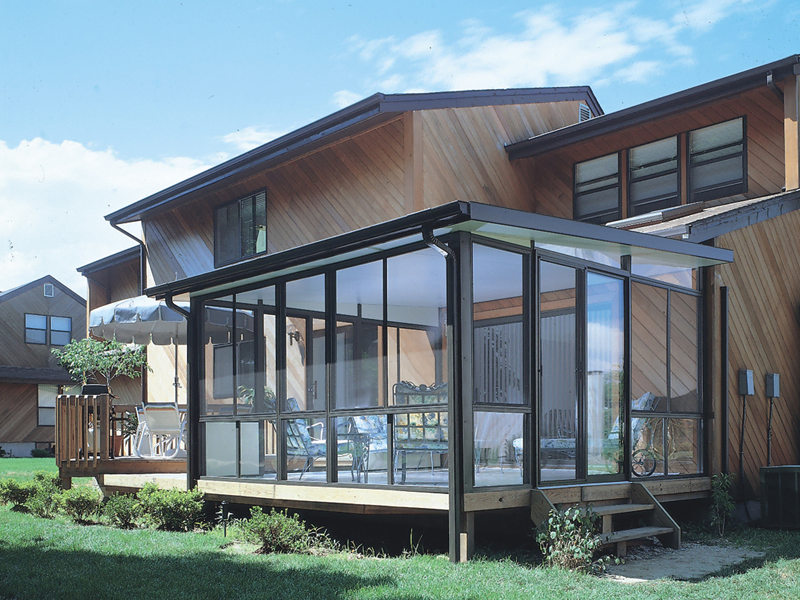
You didn’t invest in a beautiful backyard just to watch it sit empty from May through October. But that’s what happens when temperatures hit the 90s, humidity matches it, and mosquitoes breed faster than you can spray.
A properly built lanai enclosure changes that. You get protection from the elements without losing the outdoor feel. No more choosing between sweltering heat or retreating inside. No more bug spray smell on your kids before they can play outside.
The right setup gives you climate control when you need it and airflow when you want it. It keeps your patio furniture from fading in the Texas sun. And when hurricane season rolls around, you’re not scrambling to take everything down or worrying about twisted frames ending up in your neighbor’s yard.
This is about reclaiming the space you already have and actually being able to enjoy it.
We’ve been doing this since before most lanai companies existed. We’re not new to the Gulf Coast climate, and we’re not experimenting with your investment.
Our team understands what Webster homeowners deal with—the humidity that never quits, the afternoon storms that come out of nowhere, and the mosquitoes that make outdoor living miserable half the year. We’ve built hundreds of outdoor living spaces in the Clear Lake and NASA area, and we know what holds up and what doesn’t.
Every project starts with a free in-home consultation where we actually listen to how you want to use the space. Then we design something that fits your home, your budget, and your lifestyle. We handle permits, engineering, and installation. And we back our work with a comprehensive warranty because we plan on being here long after your project is done.

First, we come to your home for a free consultation. We measure your space, talk about how you want to use it, and discuss options that make sense for your property and budget. No pressure, no gimmicks—just a straightforward conversation about what’s possible.
Once you’re ready to move forward, we create detailed plans and handle all the permit paperwork. Our designs account for local wind load codes and engineering requirements, which matters more than most people realize when you’re this close to the Gulf.
Installation typically takes a few days to a couple weeks depending on the scope. Our crews show up on time, keep the site clean, and communicate clearly about what’s happening each day. We use heavy-duty aluminum extrusions and reinforced corner bracing—not the flimsy stuff you’ll see on cheap screen enclosures.
After installation, we walk through everything with you to make sure it’s exactly what you expected. Then you’ve got a space you can actually use, regardless of what the weather’s doing outside.

Ready to get started?
Every lanai we build includes engineered aluminum framing designed to meet Texas wind load requirements. That’s not optional—it’s the difference between a structure that lasts and one that becomes a liability during storm season.
You get CONSERVAGLASS SELECT with Stay-Clean Technology that regulates temperature without blocking your view. The screening comes from Phifer, which is the top quality material in the industry. Everything is maintenance-free, so you’re not repainting or replacing rotted wood in three years.
Webster homeowners typically add ceiling fans for air circulation and LED lighting for evening use. Some include outdoor kitchens or entertainment areas. Others just want a simple screened patio enclosure where they can sit outside without getting eaten alive by mosquitoes.
We also offer flexible financing up to $125,000 with competitive rates, because most people don’t have tens of thousands sitting around. The goal is to make this doable without wrecking your budget or forcing you to settle for something cheap that won’t last.
The Clear Lake area has specific needs that differ from other parts of Houston. You’re closer to the coast, which means higher humidity and stronger wind exposure. We account for that in every design.

Most custom lanai projects in the Webster area run between $15,000 and $45,000, depending on size, materials, and features. A basic screened patio enclosure on an existing slab costs less than a full four-season room with insulated roof and HVAC.
The biggest cost factors are square footage, roof type, and whether you’re adding electrical or climate control. Aluminum framing costs more upfront than vinyl but lasts longer in Gulf Coast humidity. Engineered structures that meet local wind codes cost more than non-permitted screen rooms, but they’re also the ones still standing after a storm.
We provide detailed, upfront estimates during the free consultation so you know exactly what you’re looking at. No surprise charges, no hidden fees. And financing is available if you’d rather spread the cost out over time instead of paying everything at once.
If it’s engineered correctly, yes. If it’s not, you’re looking at a mess when winds pick up.
Our lanai enclosures use heavy-duty aluminum extrusions with reinforced corner bracing, and every project is designed to meet local wind load codes. That means the structure is calculated to handle the wind speeds your area might see during a Gulf storm. Most residential lanais in Webster are engineered for winds up to 130 mph when properly anchored.
Cheap screen enclosures without engineering become liabilities during hurricanes. The mesh tears, frames twist, and you’re left with debris in your yard and your neighbor’s. We’ve seen it happen plenty of times, and it’s exactly why we don’t cut corners on structural integrity.
You’ll still want to prepare before a major storm—bring in furniture, secure loose items—but the structure itself is built to stay put.
Most projects take one to three weeks from permit approval to completion. A straightforward screened patio enclosure on an existing concrete slab usually wraps up in about a week. More complex builds with custom roofing, electrical work, or HVAC integration take closer to three weeks.
Permitting adds time on the front end—usually one to two weeks depending on how backed up the city is. We handle all of that for you, but it’s worth knowing it exists so you’re not surprised by the timeline.
Weather can delay things, especially during summer storm season. We don’t install in heavy rain or high winds because it’s not safe and it compromises quality. But once we start, we work efficiently and keep you updated on progress.
The goal is to get it done right, not fast. Rushing leads to mistakes, and mistakes lead to callbacks and frustration.
Mostly terminology, but sometimes structure. A lanai is typically a covered outdoor space attached to the house with screening or glass enclosures. A screened porch is essentially the same thing but might not always have a solid roof.
In Texas, most people use “lanai” and “screened patio enclosure” interchangeably. What matters more than the name is how it’s built—whether it’s engineered to code, what materials are used, and whether it’s designed for year-round use or just seasonal screening.
Some lanais include climate control and insulated roofs, turning them into true four-season rooms. Others are simple screen enclosures meant to keep bugs out while you enjoy the breeze. Both are valid depending on what you need.
We help you figure out which setup makes sense based on how you actually want to use the space and what your budget allows.
Yes. Any permanent structure attached to your home requires a permit in Webster, and lanai enclosures fall into that category.
The permit process involves submitting plans, getting engineering approval for wind load requirements, and scheduling inspections during and after construction. It’s not optional, and skipping it can cause serious problems if you ever try to sell your home or file an insurance claim after storm damage.
We handle all the permitting for you—plans, submissions, inspections, everything. It’s built into our process because we’ve done it hundreds of times and know exactly what the city requires.
Some contractors offer to skip permits to save money or time. That’s a red flag. Unpermitted work puts you at risk legally and financially, and it usually means the structure wasn’t engineered properly in the first place.
Usually, yes—but it depends on the existing structure. If your patio cover was built with proper footings and can support the additional load of screen framing, we can add enclosures to it.
We’ll need to inspect the current setup first to make sure it’s structurally sound and meets code. Some older patio covers weren’t engineered for enclosed walls, which means they might need reinforcement before we can safely add screening.
If the existing structure works, adding screens is typically more affordable than building a new lanai from scratch. You’re using what’s already there and just enclosing it to keep bugs and weather out.
If the patio cover isn’t suitable, we’ll let you know upfront and explain what it would take to either reinforce it or start fresh. Either way, you’ll know exactly what you’re dealing with before any work begins.
Other Services we provide in Webster