
Transform your Long Island home with our custom sunrooms, liferooms, pergolas, and more! Quality Designs That Improve Your Space And Lifestyle.
Contact Info
Transform your Long Island home with our custom sunrooms, liferooms, pergolas, and more! Quality Designs That Improve Your Space And Lifestyle.
Contact Info
Hear From Our Clients
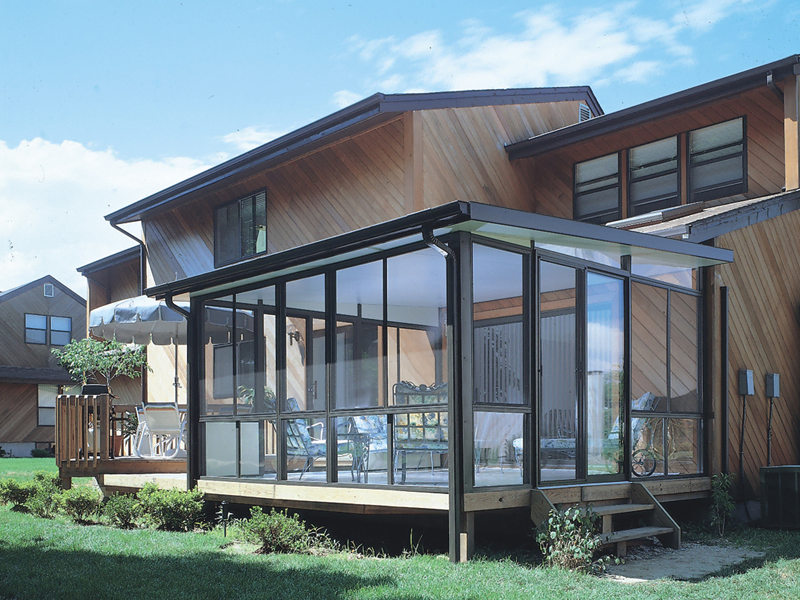
You get a space that works when it’s 95 degrees in July and when it’s raining in March. A lanai enclosure means you’re not fighting mosquitoes every time you step outside, and you’re not watching leaves pile up in the corners every week.
It’s outdoor living without the parts that make you avoid going outside. The screens keep insects out while letting air move through. The structure handles sun and rain without turning your patio into an oven or a puddle.
Most homeowners in Highlands want their backyard to feel like an extension of the house, not a seasonal add-on they only use three months a year. That’s what a well-designed lanai does—it turns unusable space into space you actually want to spend time in. No more choosing between sitting inside with the AC or sweating through dinner on the patio.
We’ve been doing this since the 1970s. That’s not just experience—it’s proof that the way we build things holds up over time.
We’re a family-owned company working with homeowners across the Houston area, including Highlands. Our team knows what Texas weather does to outdoor structures, and we design around it. Every project gets the same attention whether it’s a screened porch or a full custom lanai with electrical and ceiling fans.
You’re working with people who live here, understand the climate, and have seen what works and what doesn’t. We’re licensed, insured, and we handle permitting so you don’t have to figure out what Highlands requires.

It starts with a consultation at your home. We look at your existing patio or the area you want to enclose, talk about how you want to use the space, and go over options that fit your property and budget.
From there, we design the lanai to match your home’s style and handle the specific conditions of your yard—drainage, sun exposure, how the structure ties into your roofline. Once you approve the design, we pull permits and schedule the build.
Construction typically takes a few weeks depending on size and complexity. We handle everything from the foundation and framing to screening, electrical, and finishing touches like fans or lighting. You’ll know the timeline upfront, and we keep the site clean throughout the process.
After installation, you get warranties on materials and workmanship. If something needs adjustment, we handle it. The goal is a finished space that works the way you expected and holds up for years without constant repairs.

Ready to get started?
Every lanai we build in Highlands includes structural framing designed for Texas wind and weather. That means aluminum or vinyl materials that won’t rot, warp, or need repainting every few years.
Screening options range from standard insect mesh to heavy-duty materials that block more sun and hold up better against pets or accidental damage. We also install electrical for ceiling fans, outlets, and lighting if you want them—most people do, because it makes the space usable at night and keeps air moving during humid months.
Roofing ties into your existing structure or stands alone depending on your setup. We make sure water drains properly and doesn’t pool or leak into the house. Flooring can stay as-is if your concrete’s in good shape, or we can refinish or add pavers.
Highlands homeowners often add features like retractable screens, which let you open up the space completely when weather’s nice, or solid roof panels for extra shade. Everything’s customizable based on how you actually plan to use the area—not just what looks good in a brochure.

Most lanai projects in the Highlands area run between $15,000 and $40,000 depending on size, materials, and features. A basic screen enclosure for an existing patio costs less than a fully custom build with electrical, upgraded screening, and a new roof structure.
Square footage is the biggest factor. A 200-square-foot enclosure costs significantly less than 500 square feet. Material choice also matters—vinyl framing costs less than powder-coated aluminum, and standard screening is cheaper than solar-blocking mesh.
If you’re adding ceiling fans, recessed lighting, or outlets, that increases cost but also makes the space more functional. We give you a detailed estimate after seeing your property so you know exactly what you’re paying for. Financing is available if you’d rather spread payments out instead of paying upfront.
Yes, if it’s designed correctly. The key is airflow and shade. A lanai with proper screening and a solid or insulated roof keeps direct sun off you while letting breeze move through.
Most homeowners add ceiling fans, which make a huge difference when it’s 90+ degrees outside. The fans pull hot air up and out while circulating cooler air at ground level. You’re not sitting in a greenhouse—you’re in a shaded, ventilated space that feels 10 to 15 degrees cooler than being in direct sun.
Humidity is harder to control without full AC, but good airflow prevents that sticky, stagnant feeling. Some clients install misting systems or go with a four-season sunroom instead, which includes insulation and HVAC. It depends on whether you want a screened outdoor room or a climate-controlled addition. Both work—they just serve different needs.
Yes, most lanai and porch screening projects in Highlands require a building permit, especially if you’re adding a roof structure or electrical work. The permit process ensures the build meets local codes for wind load, foundation, and safety.
We handle permit applications as part of the project. That includes submitting plans, coordinating inspections, and making sure everything passes before we consider the job complete. You don’t need to visit the permit office or figure out what Harris County requires.
Permit costs vary depending on project size but typically run a few hundred dollars. It’s a small part of the overall budget and it protects you—unpermitted work can cause problems if you ever sell the house or file an insurance claim. Better to do it right from the start.
Most lanai installations take two to four weeks from start to finish. Smaller screen enclosures on existing patios can be done faster. Larger custom builds with electrical, roofing, and detailed trim work take longer.
Permitting adds time upfront—usually one to two weeks depending on how quickly the county processes applications. Once permits are approved, we schedule construction and give you a timeline based on weather and crew availability.
We don’t drag projects out, but we also don’t rush through steps that need attention. Concrete footings need time to cure. Electrical inspections have to happen before we close up walls. You’ll know the schedule before we start, and we update you if anything changes. Most delays come from weather, not us.
The terms get used interchangeably, but a lanai usually refers to a covered outdoor space attached to the house, often enclosing a patio or pool area. A screened porch is similar but typically smaller and more focused on creating a front or back porch enclosure.
Functionally, they’re the same—both use screening to keep bugs out while letting air in, and both provide shade and weather protection. The difference is mostly in scale and purpose. Lanais tend to be larger and designed for entertaining or dining. Screened porches are often cozy sitting areas.
In Highlands, most homeowners use “lanai” when they’re talking about enclosing a bigger patio space, especially around pools. “Screened porch” comes up more for smaller front porch projects. Either way, the construction process and materials are nearly identical. It’s about what fits your home and how you plan to use the space.
A well-built lanai typically adds value, especially in the Houston area where outdoor living space is a selling point. Buyers looking at homes in Highlands want usable outdoor areas, and a finished lanai is more appealing than an open patio that’s too hot or buggy to enjoy.
The return on investment varies, but outdoor improvements generally recoup 50% to 80% of their cost when you sell. A lanai also makes your home more competitive if other houses in the neighborhood have similar features.
Beyond resale value, you get immediate quality-of-life improvement. You’re using space that was sitting empty, and you’re adding square footage without the cost of a full room addition. Most homeowners build lanais because they want to enjoy their backyard now—not just because they’re thinking about selling later. The value increase is a bonus, not the main reason to do it.
Other Services we provide in Highlands