
Transform your Long Island home with our custom sunrooms, liferooms, pergolas, and more! Quality Designs That Improve Your Space And Lifestyle.
Contact Info
Transform your Long Island home with our custom sunrooms, liferooms, pergolas, and more! Quality Designs That Improve Your Space And Lifestyle.
Contact Info
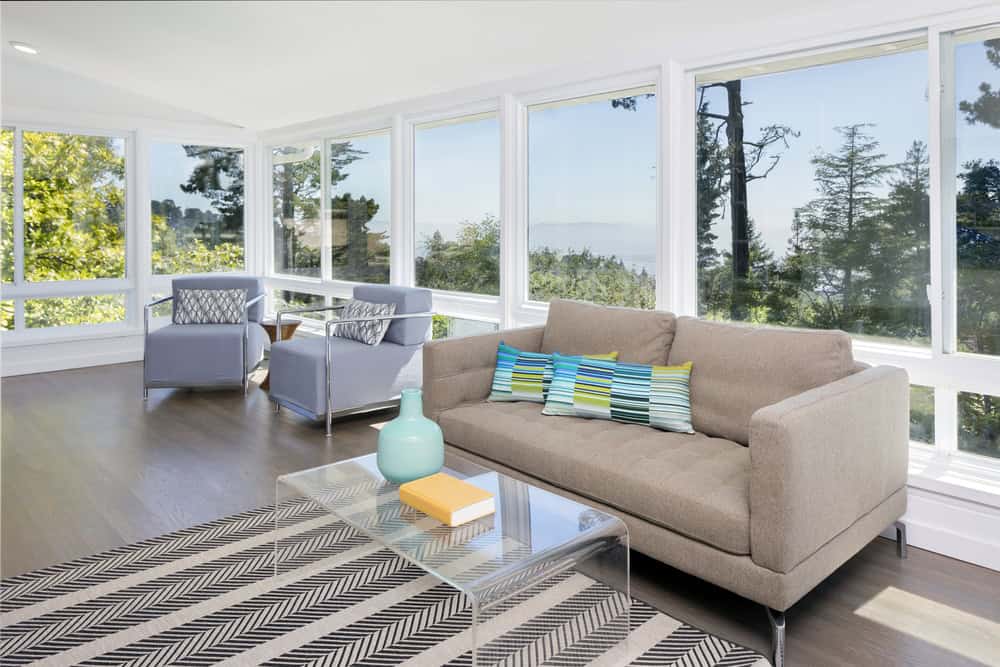
Hear From Our Clients
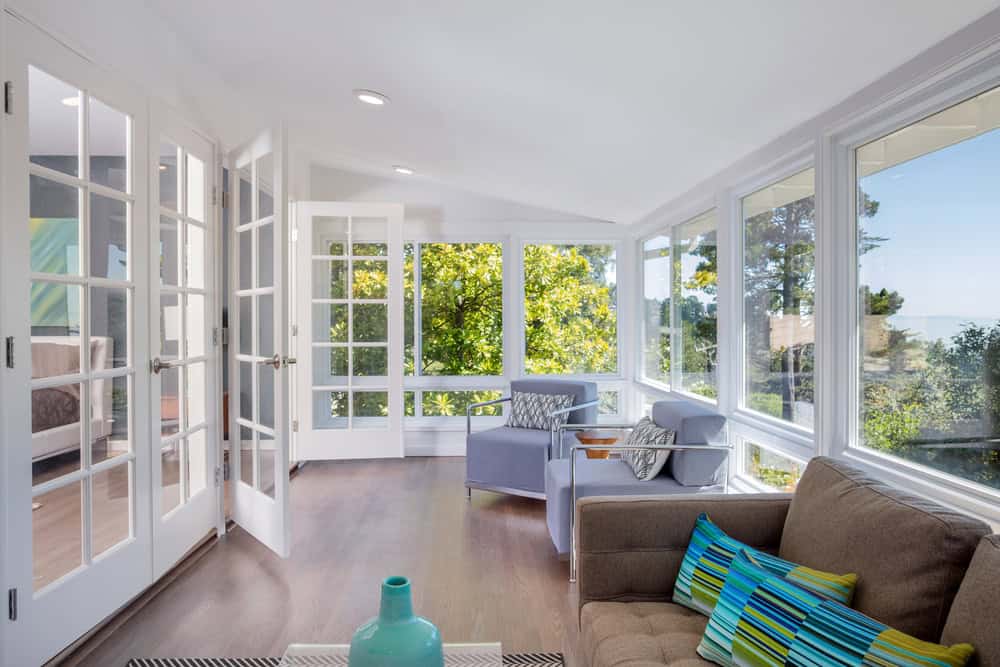
A solarium gives you what a standard room can’t: panoramic glass walls and ceiling that connect you to your yard while keeping you comfortable inside. You’re not dealing with bugs, humidity, or that suffocating Texas heat. You’re sitting in a climate-controlled space with a view.
Most homeowners in Spring, TX add a solarium because they want more square footage but don’t want to sacrifice natural light or outdoor connection. You get both. The space works as a breakfast room, home office, plant room, or just a place to sit without sweating through summer or freezing in January.
Residential solariums here aren’t just about aesthetics. They’re about function. With the right glass technology and HVAC setup, you’re looking at a space you’ll actually use all year, not just during the two weeks of perfect weather we get in Texas.
We’ve been designing and installing solariums since the 1970s. We’re not new to this, and we’re not experimenting with your home. You’re working with a team that understands how to build a custom glass enclosure that holds up in Texas weather.
We’ve installed residential solariums across the Houston area, including Spring, and we know what works here. That means glass that blocks UV without blocking your view, frames that don’t warp in heat, and HVAC solutions that actually keep up with summer. You’re not getting a cookie-cutter kit. You’re getting a structure designed around your home, your lot, and how you’ll actually use the space.

You start with a consultation at your home. We look at where the solarium will go, how it connects to your existing structure, and what you want the space to do. We’re measuring, asking questions about sun exposure, and talking through glass options, frame materials, and climate control.
From there, we design the structure. You’ll see drawings that show exactly what the finished solarium looks like, including roof style (curved eave, straight eave, or custom), glass type, and how it ties into your roofline and foundation. We handle permits, which in Spring typically means submitting plans to the city and coordinating inspections.
Once permits clear, installation starts. We’re building the foundation, setting the frame, installing glass panels and roof systems, and connecting HVAC if you’re adding climate control. The timeline depends on size and complexity, but most solarium projects take a few weeks from groundwork to final walkthrough. You’ll know the schedule upfront, and we keep you updated as work progresses.

Ready to get started?
A solarium is an all-glass structure. That means glass walls, glass roof, and maximum transparency. You’re choosing between aluminum, vinyl, or wood framing depending on your home’s style and your maintenance preference. Aluminum is low-maintenance and modern. Vinyl offers insulation. Wood gives you a traditional look but requires upkeep.
The glass itself matters more than most people realize. In Spring, TX, you’re dealing with intense sun and heat for most of the year. Standard glass turns your solarium into a sauna. We use CONSERVAGLASS™ NXT, which blocks UV and reduces heat gain while staying clear. It also has a self-cleaning coating, so you’re not constantly scrubbing panels.
Climate control is the other big decision. You can add a dedicated HVAC unit to heat and cool the space independently, or you can extend your existing system if it has capacity. Most homeowners in this area go with a mini-split system because it’s efficient and gives you control without overloading your main unit. You’ll also want to think about ventilation, shading options, and whether you want the space on your home’s foundation or a separate slab. We walk through all of this during design so there are no surprises.

A solarium is mostly glass, including the roof. A sunroom typically has a solid, insulated roof with large windows. The solarium gives you more light and a bigger view, but it also means more heat management in Texas.
Sunrooms are easier to climate-control because the solid roof blocks direct sun. Solariums require better glass technology and often more robust HVAC to stay comfortable in summer. If you want maximum natural light and don’t mind the extra investment in cooling, a solarium makes sense. If you prioritize energy efficiency and lower utility bills, a sunroom might be the better fit.
Both add value to your home in Spring, TX, but solariums tend to feel more dramatic and luxurious. You’re sitting under a glass ceiling with a full view of the sky. That’s the trade-off: more wow factor, more upfront cost, and higher cooling bills unless you invest in the right glass and shading.
Most residential solariums in the Houston area run between $25,000 and $65,000, depending on size, materials, and features. A basic 10×12 solarium with standard glass and minimal climate control sits at the lower end. A larger curved eave solarium with premium glass, integrated HVAC, and custom finishes pushes toward the higher end.
The biggest cost drivers are glass type, roof style, and climate control. CONSERVAGLASS™ NXT costs more than standard glass, but it cuts heat gain significantly. A curved eave roof costs more than a straight eave because of the engineering and materials. Adding a dedicated mini-split HVAC system adds a few thousand dollars but makes the space usable year-round.
You also need to factor in permits, foundation work, and electrical if you’re adding outlets or lighting. Most projects in Spring require a city permit, which adds time and a few hundred dollars but ensures everything is built to code. We provide a detailed quote upfront so you know exactly what you’re spending before we start.
Yes. A four-season solarium is considered a permanent structure and will trigger a property tax reassessment in most Texas counties, including Harris County where Spring is located. The county appraisal district will add the value of the solarium to your home’s assessed value, which increases your annual property tax bill.
The amount depends on the size and quality of the addition. A well-built solarium typically adds $15,000 to $40,000 in appraised value. Your property tax rate in Spring is around 2.5% to 3% depending on your specific tax district, so you’re looking at an additional $375 to $1,200 per year in property taxes.
That sounds like a lot, but it’s also equity. You’re not just paying more taxes, you’re increasing your home’s market value. Solariums in Texas often return 55% to 75% of their cost when you sell, and homes with unique features like glass enclosures tend to sell faster in competitive markets. If you plan to stay in your home for several years, the added enjoyment and functionality usually outweigh the tax increase.
Yes, but only if it’s designed correctly. A solarium with standard glass and no climate control is unusable in Texas summer. You need high-performance glass, proper ventilation, and dedicated cooling to make it work.
CONSERVAGLASS™ NXT blocks a significant amount of solar heat while staying transparent. It’s not magic, but it makes a measurable difference compared to standard tempered glass. You’ll also want operable vents or windows to let hot air escape, and most homeowners add a mini-split HVAC system to actively cool the space. Ceiling fans help with air circulation but won’t cut it alone when it’s 95 degrees outside.
Shading is the other piece. Retractable shades, exterior awnings, or even strategically placed trees can reduce direct sun exposure during peak afternoon hours. The goal isn’t to eliminate heat entirely, it’s to manage it so the space stays comfortable without running your electric bill through the roof. With the right setup, you can use a solarium in Spring, TX from March through November without issue, and even in summer if you’re willing to run the AC.
Yes. The City of Spring requires permits for most permanent structures attached to your home, including solariums. You’ll need to submit plans showing the structure’s size, location, foundation details, and how it connects to your existing home. The city reviews for setbacks, lot coverage, and building code compliance.
The permit process typically takes a few weeks, depending on the city’s workload and whether your plans need revisions. You’ll also need inspections at various stages: foundation, framing, electrical, and final. We handle the permit application and coordinate inspections as part of the installation process, so you’re not dealing with the city directly.
Skipping permits is a bad idea. If you sell your home later, an unpermitted addition can kill a deal or force you to remove the structure. It also voids most warranties and leaves you liable if something goes wrong. The permit cost is a few hundred dollars, and the peace of mind is worth it. You’re building something that’s going to be part of your home for decades, so doing it right from the start matters.
Most solarium installations take three to six weeks from start to finish, depending on size, complexity, and weather. That includes foundation work, framing, glass installation, roofing, and any HVAC or electrical work. Smaller solariums on existing slabs can go faster. Larger custom glass enclosures with curved eave roofs and integrated climate control take longer.
Permitting adds time upfront. Once we submit plans to the City of Spring, it usually takes two to three weeks to get approval. We don’t start construction until permits are in hand, so factor that into your timeline. Weather can also delay things, especially if we’re pouring a foundation and it rains for a week straight.
We give you a project schedule during the design phase so you know what to expect. Most of the work happens outside, so you’re not dealing with major disruptions inside your home. There will be noise, equipment in your yard, and workers on-site during business hours, but it’s not a months-long ordeal. Once the structure is up and inspections pass, you’re ready to use the space.
Other Services we provide in Spring