
Transform your Long Island home with our custom sunrooms, liferooms, pergolas, and more! Quality Designs That Improve Your Space And Lifestyle.
Contact Info
Transform your Long Island home with our custom sunrooms, liferooms, pergolas, and more! Quality Designs That Improve Your Space And Lifestyle.
Contact Info
Hear From Our Clients
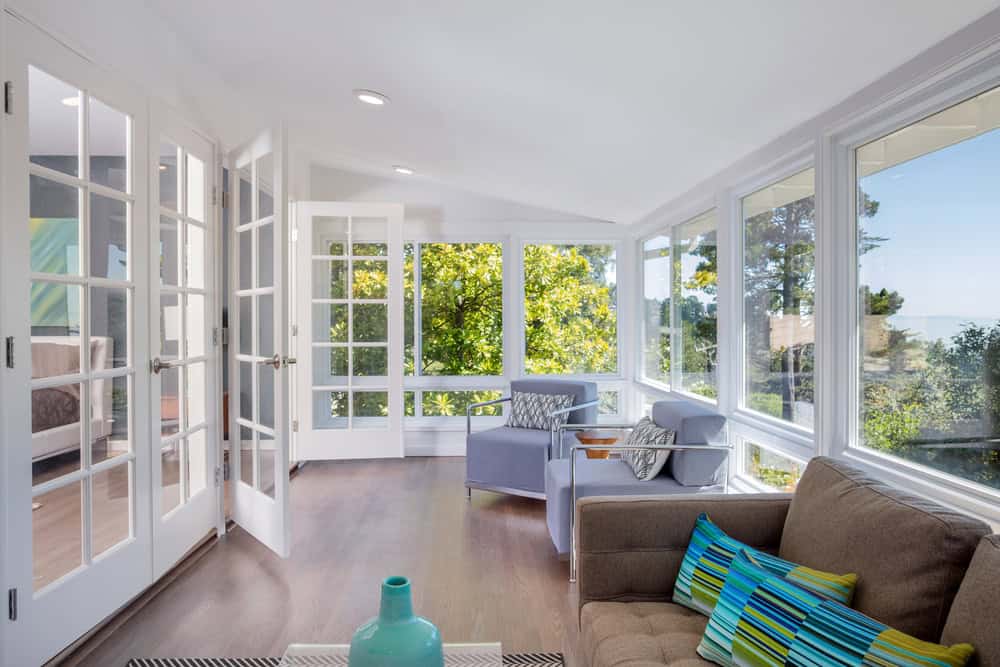
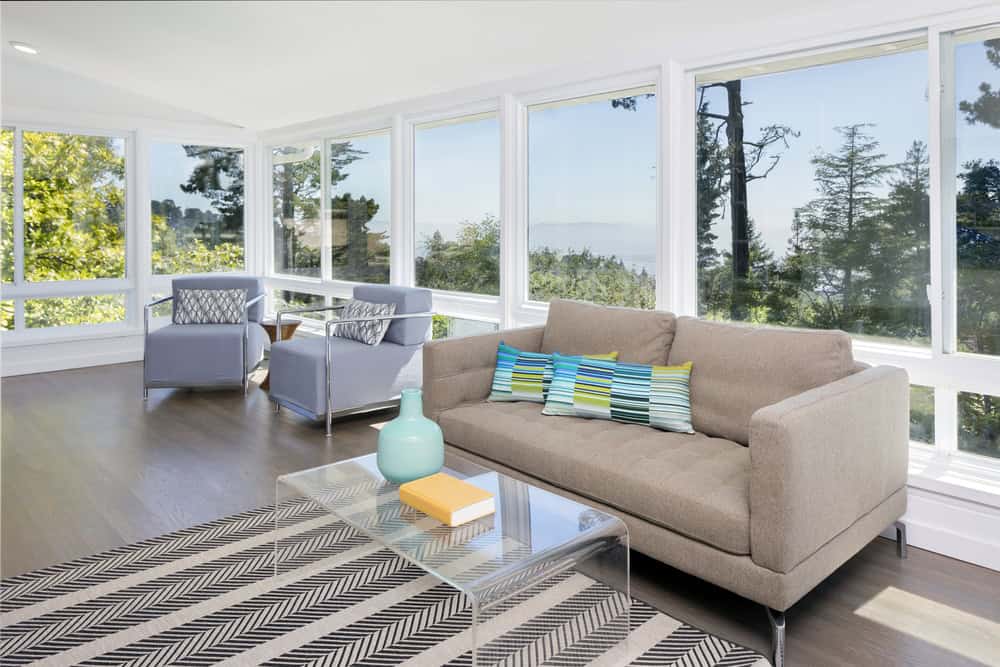
You get a room that’s mostly glass – walls, roof, everything. That means unobstructed views of your yard, the sky, weather rolling in. You can watch storms from inside, stargaze without mosquitoes, or just sit with your coffee and actually see the sunrise instead of a sliver through a window.
The difference between this and a sunroom comes down to how much glass you’re working with. A solarium is all glass, including the roof. A sunroom typically has a solid roof with windows on the walls. More glass means more light, more views, and yes, more heat to manage if you’re in Texas.
That’s where the engineering matters. You’re not just bolting glass panels together and hoping for the best. The right solarium for Shoreacres uses insulated glass, UV-blocking coatings, and a real HVAC plan. Without that, you’re building a very expensive sauna.
When it’s done right, you get a space that feels like you’re outside but functions like you’re inside. Temperature-controlled. Protected from pests and pollen. Usable in July and January. It’s the kind of addition that changes how you use your home, not just how it looks.
Four Seasons Sunrooms has been building glass enclosures and custom solariums for nearly 50 years. We’re not a general contractor who dabbles in sunrooms when someone asks. This is what we do.
Our Houston team knows what works in this climate and what doesn’t. We’ve seen what happens when someone tries to save money on glass or skips the climate control planning. It doesn’t end well. Shoreacres homeowners expect quality that lasts, and that’s what we build – structures that hold up to heat, humidity, and the occasional hurricane scare.
You’re working with people who’ve done this hundreds of times. We’re licensed, insured, and we don’t disappear after the install. If something needs attention, we’re still here.

It starts with a consultation at your home. We look at where you want to build, what kind of foundation you’re working with, and how the space connects to your existing structure. We talk about how you’ll actually use it – morning coffee spot, plant room, year-round entertaining space – because that affects everything from glass selection to HVAC sizing.
Then we design it. You’ll see drawings that show exactly what you’re getting, including dimensions, glass specs, and how it ties into your roofline. We go over options like curved eave vs straight designs, door placements, and whether you want built-in shading systems. This is where you make the calls that affect both budget and function.
Once you approve the design, we handle permits and schedule the build. Installation typically takes a few weeks depending on size and complexity. We’re not tearing apart your whole house – we’re adding onto it. You’ll have some noise and activity, but you’re not living in a construction zone for months.
After it’s built, we walk you through everything. How the windows operate, how to maintain the glass, what to watch for. Then you’re done. You’ve got a new room that’s built to last and actually works in Texas heat.

Ready to get started?
You’re getting engineered glass designed for high-UV environments. That means double-pane insulated glass with Low-E coatings that block heat transfer and 99% of UV rays. This isn’t standard window glass – it’s built to handle direct Texas sun on a roof without turning your solarium into a convection oven.
The structure itself is aluminum or vinyl framing that won’t rot, warp, or need repainting. We’re using materials rated for coastal humidity and temperature swings. In Shoreacres, that matters. You’re near the water, you get salt air, and you need materials that won’t corrode or degrade in five years.
Climate control is part of the conversation from day one. Most solariums need dedicated HVAC – either a mini-split system or an extension of your existing system with proper load calculations. We also integrate shading options, whether that’s built-in tracks for retractable shades or exterior overhangs. You can’t just rely on glass alone in this climate.
You also get proper drainage, flashing, and weatherproofing where the solarium meets your existing structure. This is where a lot of contractors cut corners. We don’t. Water intrusion will destroy your investment faster than anything else, and we’ve seen enough bad installs to know where the problems happen.
The goal is a finished space that looks incredible but also works. That means you can use it in August without melting and in January without freezing. It means the glass stays clear, the seals stay intact, and you’re not calling us back every season with problems.

A solarium has glass everywhere, including the roof. A sunroom typically has a solid insulated roof with glass walls. That’s the main structural difference, and it changes everything about how the space feels and functions.
Solariums give you that full-sky view. You’re looking up at clouds, stars, tree canopy – whatever’s above you. It’s bright all day because light comes from every direction. That’s the appeal. It feels like you’re outside even when you’re not.
The tradeoff is heat management. A glass roof in Texas will collect heat fast. You need high-performance glass with the right coatings, and you need a real plan for cooling. Sunrooms are easier to climate-control because that solid roof provides insulation. Solariums require more upfront investment in glass technology and HVAC to stay comfortable year-round. Both can work in Shoreacres, but solariums need more engineering to get right.
Most residential solariums in the Houston area run between $30,000 and $75,000 depending on size, glass quality, and how much climate control you’re adding. A basic 12×12 solarium with standard insulated glass and minimal HVAC might land closer to $30,000. A larger curved eave design with premium glass, integrated shading, and a dedicated mini-split system can push toward $75,000 or more.
The glass itself is a big cost driver. High-performance glazing with Low-E coatings and UV protection costs more than standard double-pane, but it’s not optional in Texas if you want the space to be usable. HVAC is the other major expense – you’re adding conditioned space, and a glass roof requires more cooling capacity than a standard room addition.
Here’s the upside: solariums typically return 50-70% of their cost in resale value. In Shoreacres, where outdoor living is a lifestyle and home values support premium upgrades, a well-built solarium is seen as a luxury feature. You’re not just spending money – you’re adding functional square footage that buyers actually want.
Yes, but only if it’s designed correctly from the start. A solarium with cheap glass and no shading will absolutely overheat. One with the right glass, proper HVAC sizing, and integrated climate control will stay comfortable even in July.
The glass matters most. You need insulated, Low-E glass that reflects heat instead of absorbing it. We use CONSERVAGLASS™ with coatings specifically rated for high-heat climates. It blocks most of the infrared heat while still letting light through. Pair that with retractable interior shades or exterior overhangs, and you can control how much direct sun hits the space during peak afternoon hours.
Then there’s cooling capacity. Most solariums need a mini-split system or a dedicated zone on your existing HVAC. The key is proper load calculation – figuring out exactly how much cooling you need based on glass square footage, orientation, and sun exposure. Undersizing the system is where most problems happen. We don’t guess at this. We calculate it, install the right equipment, and make sure it keeps up when it’s 95 degrees outside.
Most solarium projects take three to six weeks from permit approval to final walkthrough. Smaller, simpler designs can be done in three weeks. Larger or more complex builds – especially curved eave solariums or projects that require significant foundation work – can stretch to six weeks or a bit longer.
The timeline breaks down like this: permitting usually takes one to two weeks depending on local building department workload. Foundation and framing take another week. Glass installation and structural assembly take one to two weeks. Then there’s electrical, HVAC hookup, interior finishing, and final inspections, which add another week.
Weather can slow things down, especially if we’re pouring a foundation or doing exterior work during a rainy stretch. But you’re not dealing with the months-long disruption of a traditional room addition. We’re working outside your existing home, so your daily routine stays mostly intact. You’ll have crew activity and some noise during work hours, but you’re not displaced or living around drywall dust for half a year.
Yes. Any permanent structure that adds conditioned living space to your home requires a building permit in Shoreacres and throughout Harris County. That includes solariums, sunrooms, and other glass enclosures that are attached to your house and have climate control.
The permit process covers structural engineering, foundation requirements, electrical work, and HVAC modifications. The building department wants to make sure the addition is safe, properly anchored, and built to code. In coastal areas like Shoreacres, wind load ratings and hurricane resistance are part of the review.
We handle the permit process. You’re not filling out forms or dealing with inspectors – that’s on us. We submit the engineered drawings, coordinate inspections, and make sure everything passes before we call the project complete. It adds a week or two to the timeline, but it’s not optional, and it protects you. An unpermitted addition can cause problems when you sell or if you ever need to file an insurance claim.
A well-built solarium typically adds 50-70% of its cost back in resale value, and in markets like Shoreacres where outdoor living is a priority, that number can be even higher. You’re adding finished, climate-controlled square footage that buyers see as a luxury feature, not just a screened porch.
The key is quality. A solarium that overheats, leaks, or looks like an afterthought won’t help your resale value. One that’s professionally designed, properly integrated into your home’s architecture, and actually comfortable year-round becomes a selling point. Buyers in Shoreacres expect high-end finishes and functional outdoor spaces – a solarium checks both boxes.
There’s also the lifestyle value while you’re still living there. You’re not building this just to sell the house. You’re creating space you’ll actually use – for morning coffee, entertaining, reading, growing plants, or just sitting and watching the weather. That’s worth something even if you never see it reflected in an appraisal. But when it does come time to sell, a quality solarium sets your home apart from others in the neighborhood.
Other Services we provide in Shoreacres