
Transform your Houston home with our custom sunrooms, liferooms, pergolas, and more! Quality Designs That Improve Your Space And Lifestyle.
Contact Info
Transform your Houston home with our custom sunrooms, liferooms, pergolas, and more! Quality Designs That Improve Your Space And Lifestyle.
Contact Info
Hear From Our Clients
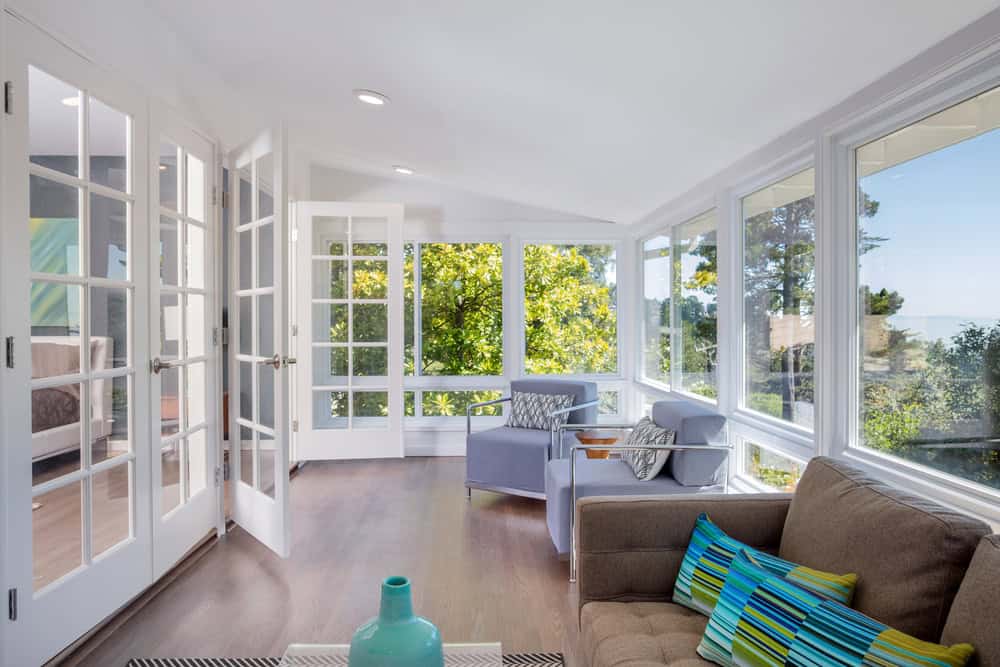
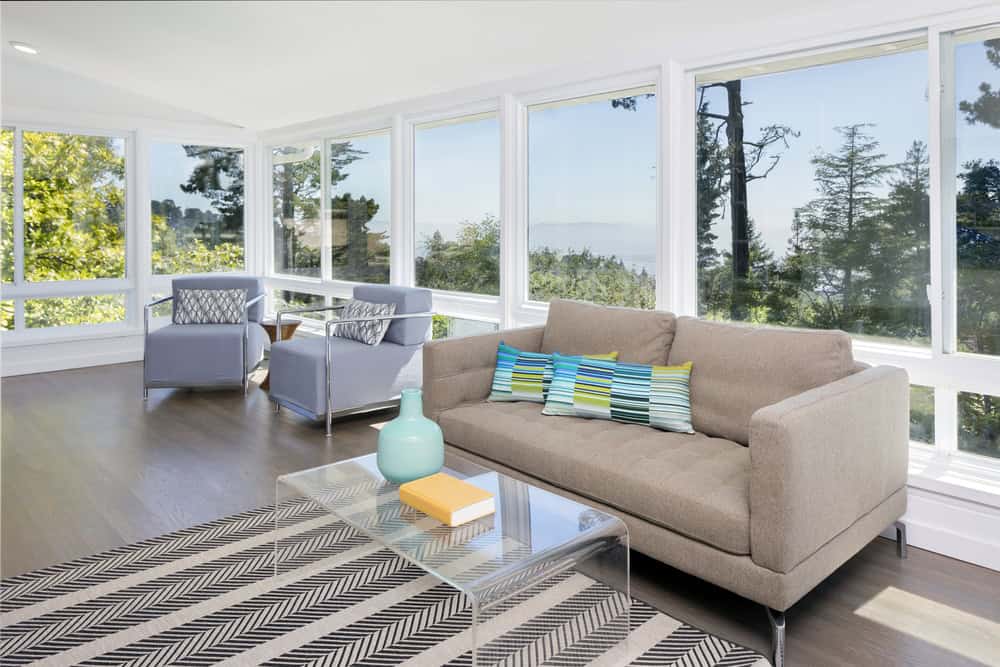
Most glass room additions in Houston turn into saunas by June. You stop using them. They become expensive storage spaces.
A solarium from us doesn’t do that. The glass is engineered to reflect 86% of radiant heat and cut cooling costs by up to 80% compared to standard glass enclosures. That’s the difference between a room that hits 120° in summer and one that stays comfortable enough to actually sit in.
You’re not adding square footage just to look at it. You’re getting a space that brings in natural light without the brutal heat—a place where you can read, work, or have coffee on a July afternoon in Greater Heights without sweating through your shirt. The curved eave design gives you floor-to-ceiling views of your yard, and the climate control keeps it usable when it’s 65 consecutive days above 95° outside.
It’s a glass room addition that doesn’t fight Houston’s climate. It’s built for it.
We’ve been building residential solariums for nearly 50 years, and we’ve been serving Houston homeowners long enough to know what works here and what doesn’t. We’re one of the largest manufacturers in the world, but our Houston team knows Greater Heights—the mix of restored Victorian homes, new construction, and the homeowners who want to add space without losing the neighborhood’s character.
You’re working with people who understand that a glass enclosure on a historic home in Greater Heights needs to look intentional, not tacked on. Our installations integrate with your architecture, whether you’re in a 1920s bungalow or a new build on Heights Boulevard.
We’re locally staffed, factory-certified, and we don’t subcontract to random crews. You get licensed professionals who’ve done this enough times to handle Houston’s soil, humidity, and permitting without surprises.

First, we come to your home in Greater Heights for a consultation. We look at your space, talk about how you want to use the solarium, and take measurements. We’re checking foundation conditions, drainage, and how the structure will tie into your existing roofline. This isn’t a sales pitch—it’s a real assessment of what’s possible on your property.
Next, we design the solarium to fit your home’s architecture and your budget. You’ll see drawings that show exactly what it’ll look like, including the curved eave glass roof, wall configurations, and door placements. We go over glass options, climate control features, and finishes. Once you approve the design, we handle permits and scheduling.
Installation starts with foundation work and framing. Our certified crews build the structure, install the engineered glass panels, and integrate HVAC and electrical as needed. The curved eave roof goes on last—it’s the signature look that sets a solarium apart from a standard sunroom.
After installation, we walk through everything with you. You’ll know how to operate vents, maintain the Stay-Clean glass, and manage temperature settings. The whole process typically takes a few weeks from design approval to completion, and we stay on schedule because we control the manufacturing and installation.

Ready to get started?
A solarium is different from a sunroom. It’s all glass—walls and roof. That means maximum natural light and unobstructed views, but it also means you need the right glass technology or you’ll regret it by summer.
Our solariums use CONSERVAGLASS SELECT with Stay-Clean Technology. This isn’t standard patio glass. It’s engineered to reduce heat gain to one-fifth of what cheaper glass allows, and it has a coating that breaks down dirt with UV exposure so rain washes it clean. You’re not climbing a ladder to scrub the roof panels every month.
The curved eave design isn’t just aesthetic. It sheds water better than flat glass, handles wind load, and gives you more interior height without looking like a commercial greenhouse bolted onto your house. In Greater Heights, where home values averaged $689K last year and appreciation hit 43% over ten years, the design matters. This adds value, not eyesore.
You also get full climate control integration. We’re not handing you a glass box and wishing you luck. The solarium ties into your HVAC system or gets its own dedicated unit, depending on size and your existing setup. Insulated glass, proper ventilation, and energy-efficient design mean you’re not doubling your electric bill to keep it comfortable when Houston hits those 50 extra hot days we’re getting now compared to 1970.

A solarium has a glass roof and glass walls—it’s designed for maximum sunlight and panoramic views. A sunroom typically has an insulated roof with some glass walls, which gives you better temperature control but less natural light and a more enclosed feel.
In Greater Heights, the choice comes down to how you’ll use the space and how much heat management you want to deal with. Solariums give you that bright, airy, greenhouse feel, but they require high-performance glass to stay comfortable in Houston’s climate. Our solariums use engineered glass that reflects radiant heat and reduces cooling costs significantly compared to standard glass.
Sunrooms are easier to heat and cool because of the insulated roof, but you lose the open-sky effect. If you want to feel like you’re outside without actually being outside, and you want it to work in July, a solarium with the right glass is the move. If you’re more concerned about energy efficiency and don’t need the full glass ceiling, a sunroom might fit better. We build both, and we’ll tell you honestly which one makes sense for your home and how you live.
Only if it’s built with the right glass and ventilation. A cheap glass enclosure will absolutely turn into a sauna when Houston hits 109° or goes through another stretch of 65 days above 95°. That’s not a design flaw—it’s physics.
Our solariums use CONSERVAGLASS SELECT, which is specifically engineered to reflect 86% of radiant heat. That’s the heat you feel, not just the air temperature. Standard glass lets most of that radiation through, which is why basic sunrooms become unusable by mid-May. Our glass cuts heat gain to one-fifth of what you’d get with regular patio glass, and it can reduce your cooling costs by up to 80% compared to cheaper alternatives.
We also integrate proper ventilation and climate control. Depending on your setup, that might mean tying into your existing HVAC, adding a dedicated mini-split system, or installing ridge vents and operable windows to manage airflow. The curved eave roof design helps too—it allows hot air to rise and escape rather than trapping it at the ceiling. You’re not going to get the same temperature as your main house without running the AC, but you will get a space that’s comfortable enough to use all summer, not just look at.
Residential solariums in Greater Heights typically start around $30,000 and go up from there depending on size, glass options, and how much structural work your home needs. A basic 10×12 solarium with standard features will cost less than a 16×20 curved eave design with premium glass, integrated HVAC, and custom finishes to match a historic home.
The price includes design, permits, foundation work, manufacturing, installation, and integration with your existing structure. We’re not quoting you for a kit you assemble yourself. You’re getting a custom-built glass room addition that’s engineered for your specific property and Houston’s climate.
We offer financing up to $125,000 with competitive rates if you don’t want to pay the full amount upfront. The return on investment is solid in Greater Heights—home additions typically return 60-85% of costs at resale, and in a neighborhood where property values jumped 43% over the last decade, adding functional, well-designed square footage makes sense. We’ll give you an exact quote after we see your space and understand what you’re trying to build. No ballpark guesses, no surprise costs later.
From design approval to completion, most solarium installations in Greater Heights take four to eight weeks. That includes permitting, foundation prep, manufacturing your custom glass panels, and the actual installation.
Permitting usually takes one to two weeks depending on the city’s workload. Foundation and framing take another week or so, depending on your soil conditions and whether we’re tying into an existing slab or pouring new footings. The glass installation and finishing work—roof panels, doors, trim, HVAC integration—takes about a week once the structure is up.
Weather can slow things down, especially during Houston’s heavy rain months. We don’t install glass in storms, and we won’t pour concrete if the forecast calls for rain within 24 hours. But we schedule around those delays and keep you updated if timelines shift.
You’ll have a clear timeline before we start, and we stick to it. We’re not bouncing between five other jobs and showing up when we feel like it. Our crews are scheduled specifically for your project, and we finish what we start. If you need the solarium done by a certain date—before hosting family or ahead of a home sale—we’ll tell you upfront if that’s realistic.
Yes, and we do it regularly. Greater Heights has plenty of Victorian-era homes and early 1900s bungalows, and adding a solarium to one of those properties requires more planning than slapping glass onto a new-build ranch house.
The key is designing the solarium to complement your home’s architecture, not clash with it. We match rooflines, use trim and finishes that fit the period style, and position the structure so it looks intentional. A curved eave solarium can actually enhance a historic home’s character if it’s done right—it adds elegance and light without looking like a modern afterthought.
Structurally, older homes sometimes need reinforcement where the solarium attaches, especially if the existing foundation or exterior walls aren’t up to current code. We assess that during the consultation and build in any necessary support work. Permitting can be more involved if your home is in a historic district or has deed restrictions, but we handle that process and make sure everything’s approved before we start construction.
You’re not sacrificing your home’s character to get more space and natural light. You’re enhancing it with a glass room addition that fits the neighborhood and adds value to a property that’s already appreciated significantly in Greater Heights’ competitive market.
Less than you’d think, especially with the Stay-Clean glass technology we use. The coating breaks down organic dirt using UV light, so when it rains, the water sheets off and takes the grime with it. You’re not scrubbing roof panels every few weeks or hiring someone to pressure-wash the glass.
You’ll still want to hose down the exterior a few times a year, particularly after Houston’s high pollen seasons or if you’re near construction dust. The inside glass wipes clean with standard glass cleaner—nothing special required. The frames and seals should be checked annually to make sure everything’s still tight and weatherproof, but that’s a quick visual inspection, not a major maintenance event.
If you have operable windows or vents, keep the tracks clean so they don’t stick. Lubricate hinges and locks once a year. That’s about it for regular upkeep.
The bigger maintenance consideration is your HVAC system. If the solarium ties into your existing unit, you’re adding square footage that the system has to condition. Make sure you’re changing filters regularly and keeping up with standard HVAC maintenance. If we install a dedicated mini-split for the solarium, it’ll have its own maintenance schedule—usually just filter cleaning and an annual service check. Houston’s humidity and heat are hard on HVAC equipment, so staying on top of that keeps your solarium comfortable and your energy bills reasonable.
Other Services we provide in Greater Heights